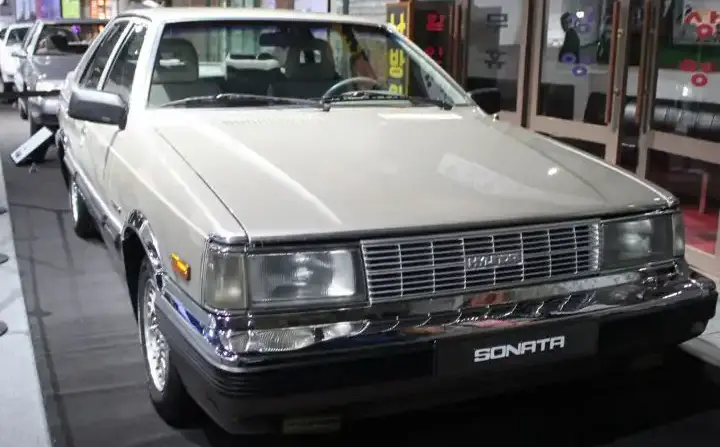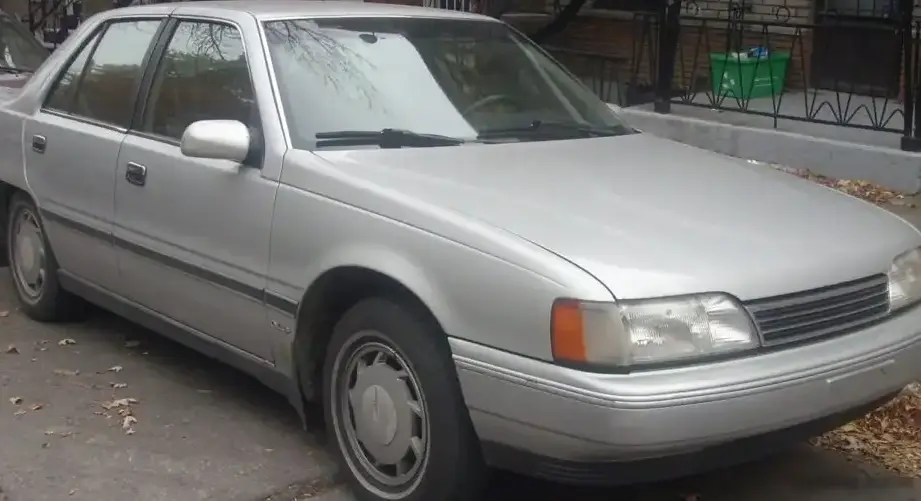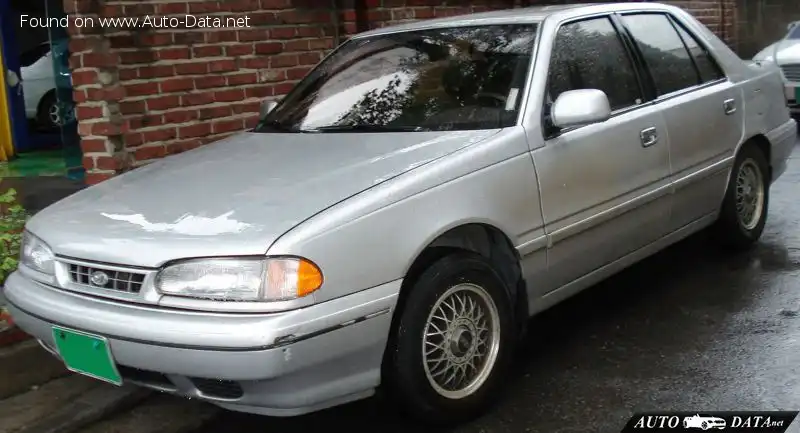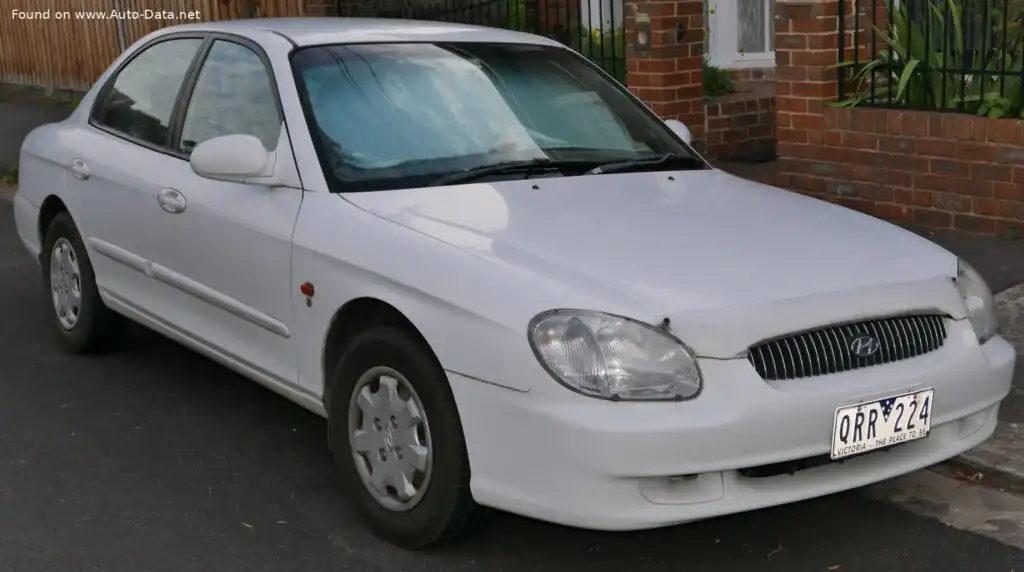
The Hyundai Sonata IV (EF) 2.4, producing 150 horsepower, was a significant model in Hyundai’s expansion into the mid-size sedan market. Produced from 1998 to 2000, this variant represented a step up in performance and refinement for the Sonata line, building upon the foundation laid by the earlier EF models. It was positioned as a mid-range offering, bridging the gap between the base 2.0-liter engine and the later, more powerful 2.5-liter options. The EF Sonata was crucial for establishing Hyundai as a credible competitor against established Japanese and American brands, particularly in North America where it aimed to offer a value-oriented alternative.
Technical Specifications
| Brand | Hyundai |
| Model | Sonata |
| Generation | Sonata IV (EF) |
| Type (Engine) | 2.4 (150 Hp) |
| Start of production | 1998 |
| End of production | 2000 |
| Powertrain Architecture | Internal Combustion engine |
| Body type | Sedan |
| Seats | 5 |
| Doors | 4 |
| Fuel Type | Petrol (Gasoline) |
| Weight-to-power ratio | 9.3 kg/Hp, 107.7 Hp/tonne |
| Weight-to-torque ratio | 6.6 kg/Nm, 152.2 Nm/tonne |
| Power | 150 Hp @ 5500 rpm |
| Power per litre | 63.8 Hp/l |
| Torque | 212 Nm @ 3000 rpm, 156.36 lb.-ft. @ 3000 rpm |
| Engine layout | Front, Transverse |
| Engine displacement | 2351 cm3, 143.47 cu. in. |
| Number of cylinders | 4 |
| Engine configuration | Inline |
| Cylinder Bore | 86.5 mm, 3.41 in. |
| Piston Stroke | 100 mm, 3.94 in. |
| Compression ratio | 10:1 |
| Number of valves per cylinder | 4 |
| Fuel injection system | Multi-port manifold injection |
| Engine aspiration | Naturally aspirated engine |
| Valvetrain | DOHC |
| Engine oil capacity | 4.5 l, 4.76 US qt | 3.96 UK qt |
| Coolant | 7.7 l, 8.14 US qt | 6.78 UK qt |
| Kerb Weight | 1393 kg, 3071.04 lbs |
| Trunk (boot) space – minimum | 396 l, 13.98 cu. ft |
| Fuel tank capacity | 65 l, 17.17 US gal | 14.3 UK gal |
| Length | 4710 mm, 185.43 in |
| Width | 1818 mm, 71.57 in |
| Height | 1410 mm, 55.51 in |
| Wheelbase | 2700 mm, 106.3 in |
| Front track | 1540 mm, 60.63 in |
| Rear (Back) track | 1520 mm, 59.84 in |
| Drag coefficient (Cd) | 0.32 |
| Minimum turning circle (turning diameter) | 10.5 m, 34.45 ft |
| Drivetrain Architecture | The Internal combustion engine (ICE) drives the front wheels of the vehicle. |
| Drive wheel | Front wheel drive |
| Number of gears and type of gearbox | 5 gears, manual transmission |
| Front suspension | Independent, type McPherson with coil spring and anti-roll bar |
| Rear suspension | Independent multi-link suspension |
| Front brakes | Ventilated discs |
| Rear brakes | Disc |
| Assisting systems | ABS (Anti-lock braking system) |
| Steering type | Steering rack and pinion |
| Power steering | Hydraulic Steering |
| Tires size | 195/70 R14 |
| Wheel rims size | 14 |
Powertrain & Engine Architecture
The heart of the Sonata IV 2.4 was the 2.4-liter inline-four cylinder engine, internally designated as the G6EA. This engine featured a double overhead camshaft (DOHC) valvetrain with four valves per cylinder, contributing to its relatively high output for its displacement. The engine utilized a multi-port fuel injection system, delivering fuel directly into the intake ports for improved combustion efficiency. The 10:1 compression ratio was a standard figure for the time, balancing performance and fuel economy. The engine’s design prioritized smoothness and reliability over outright performance. The 5-speed manual transmission was the standard offering, providing drivers with direct control over the engine’s power.
Driving Characteristics
The 150 horsepower and 212 Nm (156 lb-ft) of torque provided by the 2.4-liter engine offered a noticeable improvement in acceleration and highway cruising ability compared to the base 2.0-liter Sonata. While not a sports sedan, the 2.4 provided adequate power for everyday driving situations, including merging onto highways and passing slower vehicles. The 5-speed manual transmission allowed for precise gear selection, maximizing the engine’s power band. The gear ratios were tuned for a balance of acceleration and fuel efficiency. Compared to the later 2.5-liter V6 models, the 2.4 offered a more economical driving experience, albeit with less overall power. The front-wheel-drive configuration provided predictable handling, although it wasn’t particularly engaging for enthusiasts.
Equipment & Trim Levels
The 2.4-liter Sonata typically came with a reasonable level of standard equipment. This included power windows, power locks, and air conditioning. Higher trim levels added features such as a sunroof, upgraded audio systems, and alloy wheels. Interior upholstery was typically cloth, with optional leather available on some trims. The dashboard layout was functional and straightforward, prioritizing ease of use over stylistic flair. Optional extras included automatic transmission (though less common), cruise control, and a CD player. The overall interior ambiance was aimed at providing a comfortable and practical environment for passengers.
Chassis & Braking
The Sonata IV utilized an independent McPherson strut suspension in the front and an independent multi-link suspension in the rear. This suspension setup provided a comfortable ride quality, absorbing bumps and irregularities in the road surface effectively. The front brakes were ventilated discs, offering good stopping power, while the rear brakes were solid discs. An anti-lock braking system (ABS) was standard, enhancing safety by preventing wheel lockup during hard braking. The steering was rack-and-pinion with hydraulic power assistance, providing a responsive and relatively light steering feel. The 195/70 R14 tires offered a good balance of grip and ride comfort.
Market Reception & Comparison
The Hyundai Sonata IV 2.4 was generally well-received by automotive critics as a solid and value-packed mid-size sedan. It was praised for its spacious interior, comfortable ride, and competitive price. However, some critics noted that its styling was somewhat conservative and that its handling wasn’t as sporty as some of its rivals. Compared to the base 2.0-liter Sonata, the 2.4 offered a significant performance upgrade. Compared to the V6 models, it provided better fuel economy and a lower purchase price. Reliability was generally good, although some owners reported minor issues with the fuel injection system and electrical components.
Legacy
The Hyundai Sonata IV 2.4 played a crucial role in establishing Hyundai’s reputation for building reliable and affordable vehicles. The G6EA engine proved to be a durable and long-lasting powerplant, and many examples are still on the road today. In the used car market, these Sonatas are often sought after for their affordability and practicality. While not a collector’s item, the EF Sonata 2.4 represents a significant milestone in Hyundai’s history, marking its transition from a budget brand to a mainstream competitor. The engine’s relatively simple design makes it relatively easy and inexpensive to maintain, contributing to its continued popularity among budget-conscious buyers.