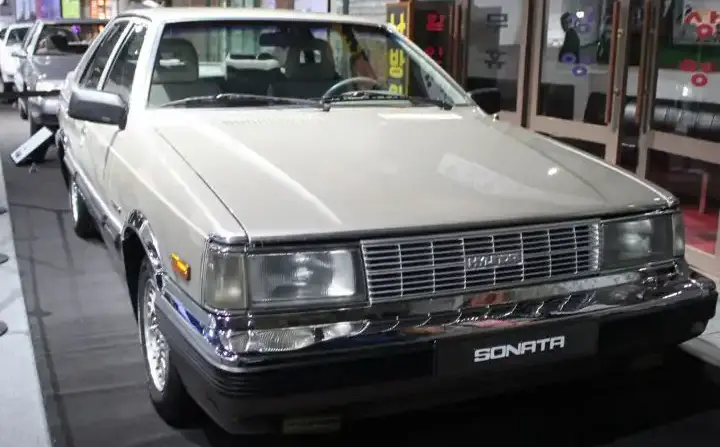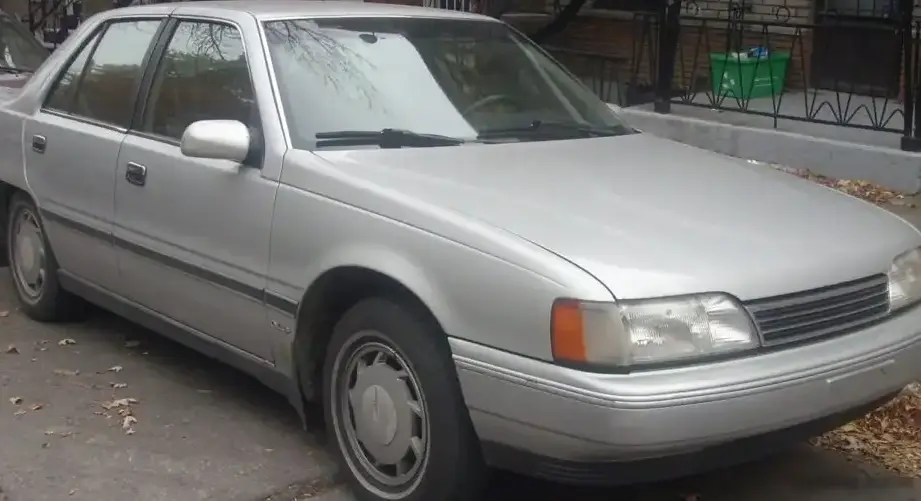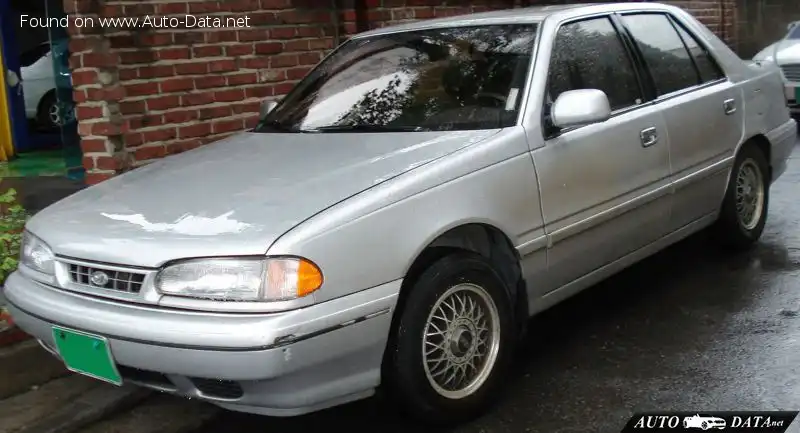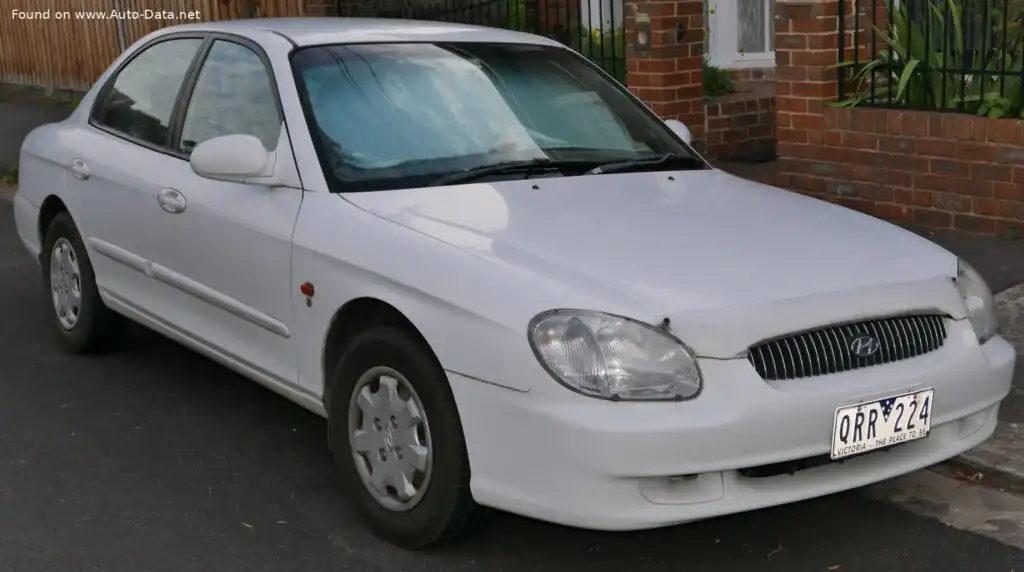
The Hyundai Sonata IV (EF), produced between 1998 and 2001, represented a significant step forward for the South Korean automaker in the mid-size sedan segment. This generation, internally designated EF, was a crucial model for Hyundai as it aimed to establish a stronger foothold in the North American and European markets. The 2.5L V6 variant, producing 160 horsepower, occupied a mid-range position within the EF Sonata lineup, offering a balance between performance and affordability. It served as an upgrade from the base 2.0L four-cylinder models and a more accessible alternative to the later, more powerful 2.7L V6 options. The EF Sonata was built on the Hyundai’s Y3 platform.
Technical Specifications
| Brand | Hyundai |
| Model | Sonata |
| Generation | Sonata IV (EF) |
| Type (Engine) | 2.5 V6 (160 Hp) |
| Start of production | 1998 |
| End of production | 2001 |
| Powertrain Architecture | Internal Combustion engine |
| Body type | Sedan |
| Seats | 5 |
| Doors | 4 |
| Fuel consumption (urban) | 13.5 l/100 km (17.4 US mpg) |
| Fuel consumption (extra urban) | 7.4 l/100 km (31.8 US mpg) |
| Fuel Type | Petrol (Gasoline) |
| Acceleration 0 – 100 km/h | 8.5 sec |
| Acceleration 0 – 62 mph | 8.5 sec |
| Acceleration 0 – 60 mph | 8.1 sec |
| Maximum speed | 220 km/h (136.7 mph) |
| Weight-to-power ratio | 8.4 kg/Hp |
| Weight-to-torque ratio | 5.8 kg/Nm |
| Power | 160 Hp @ 6000 rpm |
| Power per litre | 64.2 Hp/l |
| Torque | 230 Nm @ 3750 rpm (169.64 lb.-ft. @ 3750 rpm) |
| Engine layout | Front, Transverse |
| Engine Model/Code | Delta / G6BV |
| Engine displacement | 2494 cm3 (152.19 cu. in.) |
| Number of cylinders | 6 |
| Engine configuration | V-engine |
| Cylinder Bore | 84 mm (3.31 in.) |
| Piston Stroke | 75 mm (2.95 in.) |
| Compression ratio | 10:1 |
| Number of valves per cylinder | 4 |
| Fuel injection system | Multi-port manifold injection |
| Engine aspiration | Naturally aspirated engine |
| Valvetrain | DOHC |
| Engine oil capacity | 4.5 l (4.76 US qt | 3.96 UK qt) |
| Kerb Weight | 1340 kg (2954.19 lbs.) |
| Max. weight | 1910 kg (4210.83 lbs.) |
| Max load | 570 kg (1256.63 lbs.) |
| Trunk (boot) space – maximum | 374 l (13.21 cu. ft.) |
| Fuel tank capacity | 65 l (17.17 US gal | 14.3 UK gal) |
| Length | 4710 mm (185.43 in.) |
| Width | 1818 mm (71.57 in.) |
| Height | 1410 mm (55.51 in.) |
| Wheelbase | 2700 mm (106.3 in.) |
| Front track | 1540 mm (60.63 in.) |
| Rear (Back) track | 1520 mm (59.84 in.) |
| Drivetrain Architecture | The Internal combustion engine (ICE) drives the front wheels of the vehicle. |
| Drive wheel | Front wheel drive |
| Number of gears | 5 gears, manual transmission |
| Front suspension | Coil spring |
| Rear suspension | Coil spring |
| Front brakes | Ventilated discs |
| Rear brakes | Disc |
| Assisting systems | ABS (Anti-lock braking system) |
| Steering type | Steering rack and pinion |
| Power steering | Hydraulic Steering |
| Tires size | 205/60 R15 |
Powertrain & Engine Architecture
The heart of the EF Sonata 2.5 V6 was the Hyundai Delta engine, specifically the G6BV code. This 2.5-liter (2494 cc) V6 engine featured a 60-degree V-angle and utilized a cast iron block with an aluminum cylinder head. The engine employed multi-port fuel injection (MPI) and a double overhead camshaft (DOHC) valvetrain with four valves per cylinder. This configuration allowed for a relatively high power output for its displacement. The engine’s 10:1 compression ratio contributed to its performance. The 5-speed manual transmission was the standard offering, providing drivers with direct control over the engine’s power. The transmission was designed for durability and relatively smooth shifting, though it wasn’t known for sporty responsiveness.
Driving Characteristics
The 2.5L V6 Sonata offered a noticeable improvement in acceleration and overall driving experience compared to the base 2.0L models. The 0-60 mph time of around 8.1 seconds was respectable for its class in the late 1990s and early 2000s. While not a sports sedan, the V6 provided sufficient power for highway merging and passing maneuvers. The manual transmission allowed for a more engaging driving experience, but the gear ratios were tuned more for fuel efficiency and comfortable cruising than outright performance. The power delivery was linear, with peak torque arriving at 3750 rpm, making it a tractable engine for everyday driving. Compared to the later 2.7L V6, the 2.5L offered a slightly more refined and less stressed driving experience, though with less overall power.
Equipment & Trim Levels
The 2.5 V6 Sonata typically came with a reasonable level of standard equipment. This included power windows, power locks, air conditioning, and an AM/FM stereo. Higher trim levels added features such as a sunroof, upgraded audio systems, alloy wheels, and leather upholstery. Interior materials were generally durable, though not particularly luxurious. The dashboard layout was functional and straightforward, prioritizing ease of use over aesthetic flair. Optional extras included automatic transmission (though less common), cruise control, and a CD player.
Chassis & Braking
The EF Sonata utilized a front-engine, front-wheel-drive layout. Suspension consisted of coil springs all around, providing a comfortable ride quality. The front suspension featured MacPherson struts, while the rear employed a multi-link setup. Braking duties were handled by ventilated discs at the front and solid discs at the rear. Anti-lock Braking System (ABS) was standard, enhancing safety. The steering was rack-and-pinion with hydraulic power assistance, offering reasonable precision and ease of maneuvering. The 205/60 R15 tires provided adequate grip for most driving conditions.
Market Reception & Comparison
The EF Sonata 2.5 V6 was generally well-received by automotive critics as a solid and reliable mid-size sedan. It was praised for its spacious interior, comfortable ride, and relatively affordable price point. However, some reviewers noted that the styling was somewhat conservative and that the handling wasn’t as sharp as some of its competitors, such as the Honda Accord or Toyota Camry. Fuel economy was average for its class, with combined MPG figures around 22-23. Compared to the 2.0L four-cylinder Sonata, the 2.5 V6 offered a significant performance boost, while remaining more affordable than the 2.7L V6.
Legacy
The EF Sonata played a pivotal role in Hyundai’s growing reputation for building reliable and value-oriented vehicles. The 2.5L V6 engine, while not known for being particularly groundbreaking, proved to be a durable and relatively trouble-free powertrain. Today, well-maintained EF Sonatas can still be found on the road, often with high mileage. The G6BV engine is generally considered reliable, though routine maintenance, such as timing belt replacement, is crucial to prevent potential issues. In the used car market, the EF Sonata 2.5 V6 represents an affordable and practical option for those seeking a dependable mid-size sedan.