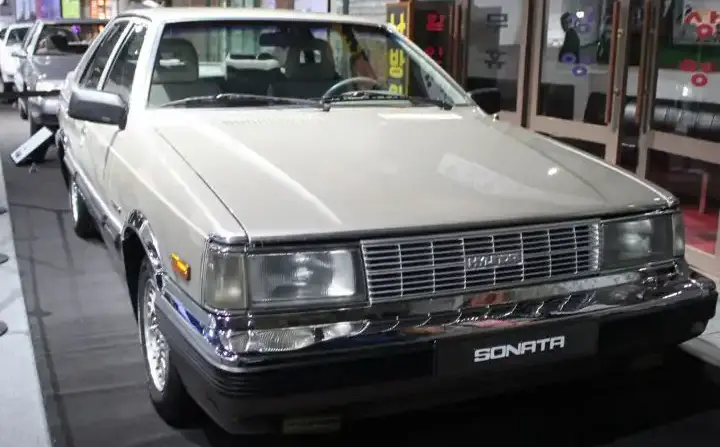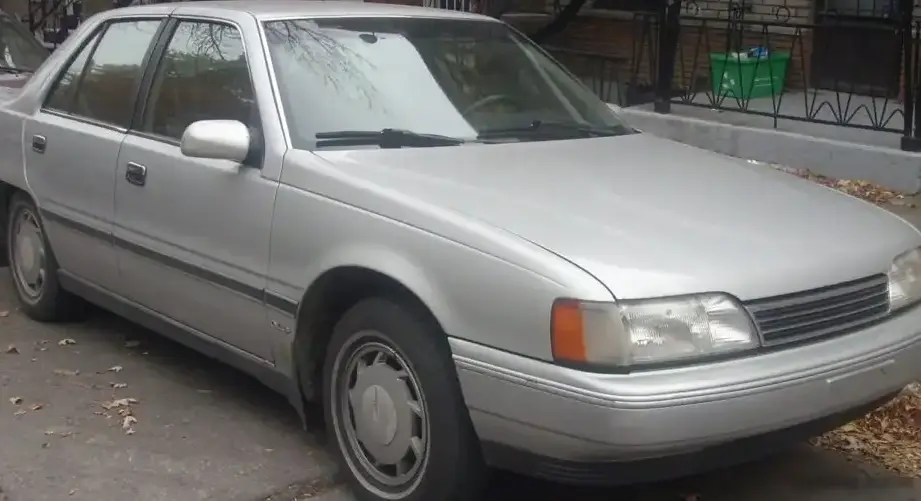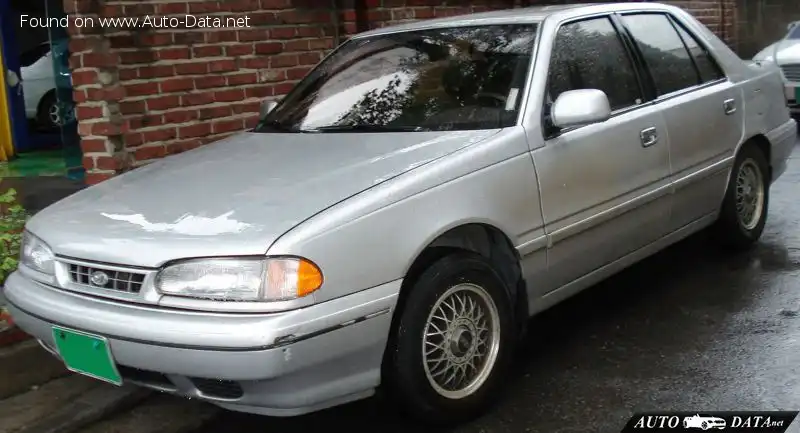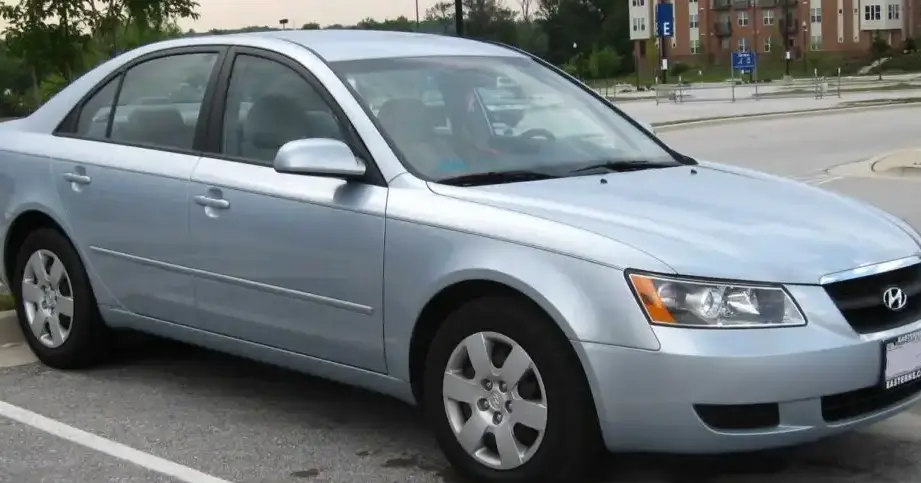
The Hyundai Sonata V (NF) 2.0 VGT 16V, produced between 2006 and 2007, represents a significant step forward for Hyundai in the mid-size sedan segment. Part of the fifth generation Sonata (NF), this variant was primarily aimed at the European and Asian markets, offering a diesel engine option that prioritized fuel efficiency and torque. It occupied a middle ground within the NF lineup, positioned between the base gasoline models and the higher-specification trims. The “VGT” designation signifies the inclusion of a Variable Geometry Turbocharger, enhancing the engine’s performance across a wider RPM range. This model played a crucial role in establishing Hyundai’s reputation for value and increasingly sophisticated engineering.
Technical Specifications
| Brand | Hyundai |
| Model | Sonata |
| Generation | Sonata V (NF) |
| Type (Engine) | 2.0 VGT 16V (143 Hp) |
| Start of production | 2006 |
| End of production | 2007 |
| Powertrain Architecture | Internal Combustion engine |
| Body type | Sedan |
| Seats | 5 |
| Doors | 4 |
| Fuel Type | Diesel |
| Weight-to-power ratio | 11.1 kg/Hp |
| Hp/tonne | 89.9 Hp/tonne |
| Weight-to-torque ratio | 5.1 kg/Nm |
| Nm/tonne | 197.5 Nm/tonne |
| Power | 143 Hp @ 4000 rpm |
| Power per litre | 71.8 Hp/l |
| Torque | 314 Nm @ 1800-2000 rpm (231.59 lb.-ft. @ 1800-2000 rpm) |
| Engine layout | Front, Transverse |
| Engine Model/Code | D4EA |
| Engine displacement | 1991 cm3 (121.5 cu. in.) |
| Number of cylinders | 4 |
| Engine configuration | Inline |
| Cylinder Bore | 83 mm (3.27 in.) |
| Piston Stroke | 92 mm (3.62 in.) |
| Compression ratio | 17.3:1 |
| Number of valves per cylinder | 4 |
| Fuel injection system | Diesel Commonrail |
| Engine aspiration | Turbocharger, Intercooler |
| Valvetrain | SOHC |
| Engine oil capacity | 5.9 l (6.23 US qt | 5.19 UK qt) |
| Coolant | 8.1 l (8.56 US qt | 7.13 UK qt) |
| Kerb Weight | 1590 kg (3505.35 lbs) |
| Trunk (boot) space – minimum | 523 l (18.47 cu. ft.) |
| Fuel tank capacity | 70 l (18.49 US gal | 15.4 UK gal) |
| Max. roof load | 100 kg (220.46 lbs) |
| Permitted towbar download | 80 kg (176.37 lbs) |
| Length | 4800 mm (188.98 in.) |
| Width | 1832 mm (72.13 in.) |
| Height | 1475 mm (58.07 in.) |
| Wheelbase | 2730 mm (107.48 in.) |
| Front track | 1565 mm (61.61 in.) |
| Rear (Back) track | 1550 mm (61.02 in.) |
| Ride height (ground clearance) | 160 mm (6.3 in.) |
| Drag coefficient (Cd) | 0.32 |
| Minimum turning circle (turning diameter) | 12.0 m (39.37 ft.) |
| Drivetrain Architecture | The Internal combustion engine (ICE) drives the front wheels of the vehicle. |
| Drive wheel | Front wheel drive |
| Number of gears and type of gearbox | 6 gears, manual transmission |
| Front suspension | Independent, type McPherson with coil spring and anti-roll bar |
| Rear suspension | Independent multi-link spring suspension with stabilizer |
| Front brakes | Ventilated discs |
| Rear brakes | Disc |
| Assisting systems | ABS (Anti-lock braking system) |
| Steering type | Steering rack and pinion |
| Tires size | 215/60 R16 |
| Wheel rims size | 6.5J x 16 |
Powertrain & Engine Architecture
The heart of the Sonata V 2.0 VGT is the Hyundai D4EA engine, a 1.991-liter inline-four cylinder diesel. This engine utilizes a second-generation common rail direct injection system, delivering fuel at extremely high pressures for optimized combustion. The variable geometry turbocharger (VGT) is a key component, adjusting the turbine vanes to maximize boost across the engine’s operating range, minimizing turbo lag and improving low-end torque. The engine features a single overhead camshaft (SOHC) valvetrain, operating 16 valves (four per cylinder). The D4EA is known for its relatively robust construction and ability to handle moderate tuning. The six-speed manual transmission was standard, providing a good balance between fuel economy and driver engagement. The transmission’s gear ratios were tuned to take advantage of the engine’s strong low-end torque, offering responsive acceleration in everyday driving situations.
Driving Characteristics
The 2.0 VGT offered a distinctly different driving experience compared to the gasoline-powered Sonata variants. While lacking the outright horsepower of the larger engines, the diesel’s 314 Nm (231.59 lb-ft) of torque delivered strong acceleration from low RPMs. This made it particularly well-suited for highway cruising and overtaking maneuvers. The six-speed manual transmission allowed drivers to maintain optimal engine speed for efficiency or performance. Compared to the automatic transmissions offered on other Sonata trims, the manual provided a more connected and engaging driving experience. The suspension, tuned for comfort, provided a reasonably smooth ride, although it wasn’t as sporty as some competitors. The steering was light and precise, making it easy to maneuver in urban environments.
Equipment & Trim Levels
The 2.0 VGT trim typically included features such as air conditioning, power windows and locks, a basic audio system, and standard safety equipment like ABS. Interior upholstery was generally cloth, with a functional and durable design. Optional extras could include alloy wheels, a sunroof, upgraded audio systems, and rear parking sensors. The overall interior design was typical of the era, prioritizing practicality and value over luxury. The dashboard layout was straightforward and easy to use, with clearly labeled controls.
Chassis & Braking
The Sonata V utilized a McPherson strut front suspension and a multi-link rear suspension, providing a good balance of ride comfort and handling. The front suspension incorporated a stabilizer bar to reduce body roll during cornering. Braking duties were handled by ventilated discs at the front and solid discs at the rear. The ABS system provided enhanced braking control in emergency situations. The chassis was designed to provide a stable and predictable driving experience, prioritizing comfort and safety over outright sportiness.
Market Reception & Comparison
The 2.0 VGT variant was generally well-received by critics, particularly for its fuel efficiency and strong torque output. It offered a compelling alternative to gasoline-powered rivals, especially for drivers who covered long distances. Compared to the gasoline engines, the diesel offered significantly better fuel economy, making it an attractive option for cost-conscious buyers. However, some critics noted that the diesel engine was slightly noisier than the gasoline alternatives. In terms of reliability, the D4EA engine proved to be relatively robust, although regular maintenance was essential to ensure long-term durability. Compared to other diesel engines in the segment, the Hyundai offered a competitive level of performance and refinement.
Legacy
The Hyundai Sonata V 2.0 VGT 16V has established a reputation as a reliable and fuel-efficient used car. The D4EA engine, when properly maintained, can provide many years of service. While finding parts for older diesel engines can sometimes be challenging, the availability of aftermarket components remains relatively good. Today, these Sonatas represent a good value proposition for buyers seeking an affordable and practical mid-size sedan. The model helped solidify Hyundai’s position as a serious contender in the global automotive market, demonstrating the brand’s ability to produce competitive and well-engineered vehicles.