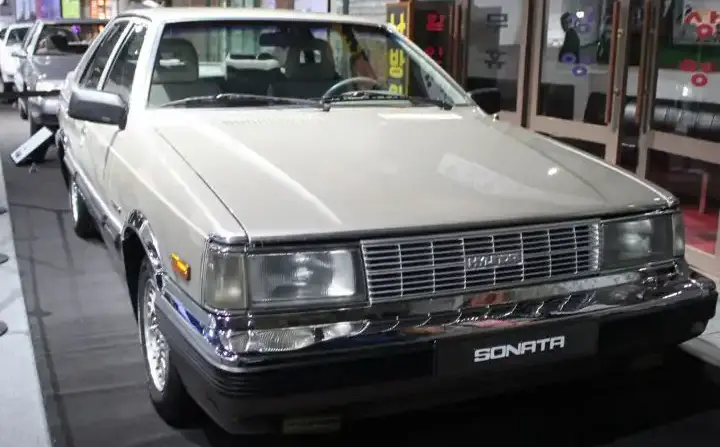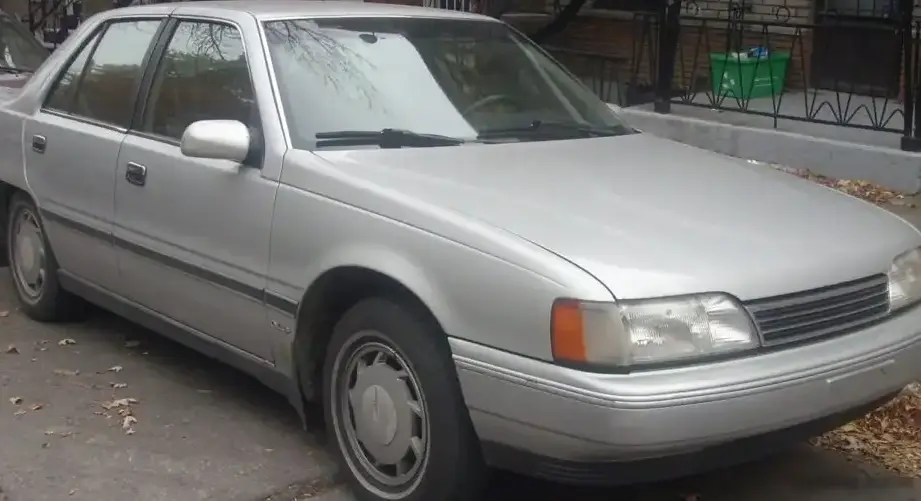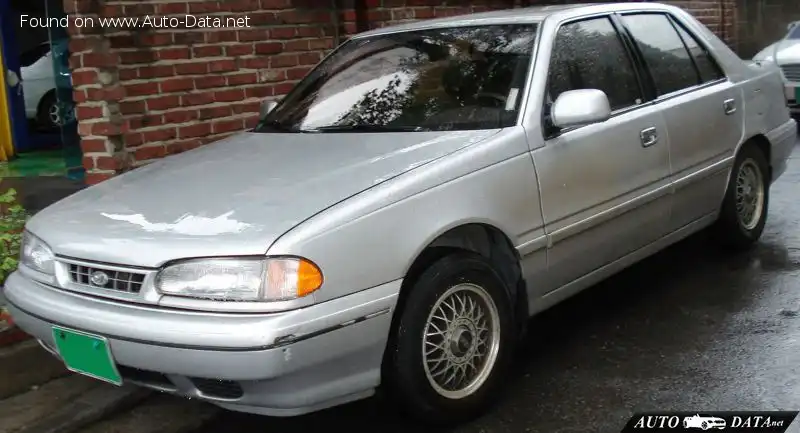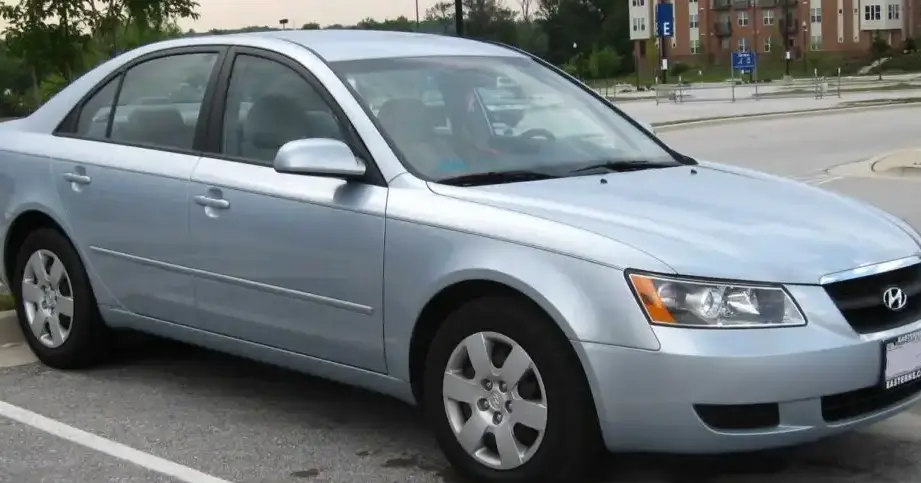
The Hyundai Sonata V (NF) 2.0 VGT 16V Automatic, produced between 2006 and 2007, represented a significant step forward for Hyundai in the mid-size sedan segment. Part of the fifth generation Sonata (NF), this variant offered a diesel engine option paired with an automatic transmission, catering to European and other markets where diesel fuel was prevalent. It occupied a middle ground within the NF Sonata lineup, offering a balance between fuel efficiency, reasonable performance, and comfort. The NF platform itself was a departure for Hyundai, moving towards a more sophisticated and refined vehicle compared to its predecessors.
Technical Specifications
| Brand | Hyundai |
| Model | Sonata |
| Generation | Sonata V (NF) |
| Type (Engine) | 2.0 VGT 16V (143 Hp) Automatic |
| Start of production | 2006 |
| End of production | 2007 |
| Powertrain Architecture | Internal Combustion engine |
| Body type | Sedan |
| Seats | 5 |
| Doors | 4 |
| Fuel Type | Diesel |
| Weight-to-power ratio | 11.3 kg/Hp, 88.5 Hp/tonne |
| Weight-to-torque ratio | 5.1 kg/Nm, 194.4 Nm/tonne |
| Power | 143 Hp @ 4000 rpm |
| Power per litre | 71.8 Hp/l |
| Torque | 314 Nm @ 1800-2000 rpm (231.59 lb.-ft. @ 1800-2000 rpm) |
| Engine layout | Front, Transverse |
| Engine Model/Code | D4EA |
| Engine displacement | 1991 cm3 (121.5 cu. in.) |
| Number of cylinders | 4 |
| Engine configuration | Inline |
| Cylinder Bore | 83 mm (3.27 in.) |
| Piston Stroke | 92 mm (3.62 in.) |
| Compression ratio | 17.3:1 |
| Number of valves per cylinder | 4 |
| Fuel injection system | Diesel Commonrail |
| Engine aspiration | Turbocharger, Intercooler |
| Valvetrain | SOHC |
| Engine oil capacity | 5.9 l (6.23 US qt | 5.19 UK qt) |
| Coolant | 8.1 l (8.56 US qt | 7.13 UK qt) |
| Kerb Weight | 1615 kg (3560.47 lbs.) |
| Trunk (boot) space – minimum | 523 l (18.47 cu. ft.) |
| Fuel tank capacity | 70 l (18.49 US gal | 15.4 UK gal) |
| Max. roof load | 100 kg (220.46 lbs.) |
| Permitted towbar download | 80 kg (176.37 lbs.) |
| Length | 4800 mm (188.98 in.) |
| Width | 1832 mm (72.13 in.) |
| Height | 1475 mm (58.07 in.) |
| Wheelbase | 2730 mm (107.48 in.) |
| Front track | 1565 mm (61.61 in.) |
| Rear (Back) track | 1550 mm (61.02 in.) |
| Ride height (ground clearance) | 160 mm (6.3 in.) |
| Drag coefficient (Cd) | 0.32 |
| Minimum turning circle (turning diameter) | 12.0 m (39.37 ft.) |
| Drivetrain Architecture | The Internal combustion engine (ICE) drives the front wheels of the vehicle. |
| Drive wheel | Front wheel drive |
| Number of gears and type of gearbox | 4 gears, automatic transmission |
| Front suspension | Independent, type McPherson with coil spring and anti-roll bar |
| Rear suspension | Independent multi-link spring suspension with stabilizer |
| Front brakes | Ventilated discs |
| Rear brakes | Disc |
| Assisting systems | ABS (Anti-lock braking system) |
| Steering type | Steering rack and pinion |
| Tires size | 215/60 R16 |
| Wheel rims size | 6.5J x 16 |
Powertrain & Engine Architecture
The heart of this Sonata variant is the D4EA 2.0-liter inline-four cylinder diesel engine. This engine utilizes a common rail direct injection system, a technology that allows for precise fuel delivery and improved combustion efficiency. The D4EA is a turbocharged engine, employing an intercooler to further enhance performance by cooling the intake air. The single overhead camshaft (SOHC) valvetrain operates 16 valves (four per cylinder). The high compression ratio of 17.3:1 is typical for diesel engines, contributing to their thermal efficiency. The four-speed automatic transmission was a standard offering, chosen for its ease of use and comfort, particularly in urban driving conditions. While not known for its sportiness, the transmission was reliable and well-suited to the engine’s torque characteristics.
Driving Characteristics
The 143 horsepower and 314 Nm (231.59 lb-ft) of torque provided by the 2.0 VGT engine delivered adequate performance for everyday driving. Acceleration was reasonable, though not particularly brisk, with a focus on providing strong low-end and mid-range torque. The automatic transmission, while smooth, did contribute to a slight reduction in responsiveness compared to the available manual transmission options. Gear ratios were optimized for fuel economy and comfortable cruising rather than outright speed. Compared to the gasoline-powered Sonata variants, the diesel offered significantly better fuel economy, making it an attractive option for drivers covering long distances. However, it lacked the higher revving nature and potentially quicker acceleration of the gasoline engines.
Equipment & Trim Levels
The 2.0 VGT Automatic trim typically included features such as air conditioning, power windows and locks, a basic audio system, and standard safety equipment like ABS. Interior upholstery was generally cloth, with options for leather upgrades available. Dashboard configuration was functional and straightforward, prioritizing usability over luxury. Optional extras could include alloy wheels, a sunroof, and upgraded audio systems. The specific equipment levels varied slightly depending on the market and any optional packages selected by the original buyer.
Chassis & Braking
The Sonata V (NF) utilized an independent McPherson strut suspension in the front and an independent multi-link suspension in the rear, providing a comfortable ride quality. Stabilizer bars were fitted to both axles to reduce body roll during cornering. The braking system consisted of ventilated discs at the front and solid discs at the rear, providing adequate stopping power for the vehicle’s weight and performance. The steering was rack and pinion, offering reasonable precision and feedback.
Market Reception & Comparison
The 2.0 VGT Automatic Sonata was generally well-received in markets where diesel engines were popular. Critics praised its fuel efficiency and comfortable ride. However, some noted that the engine was somewhat noisy compared to gasoline alternatives, a common characteristic of diesel engines. Compared to other trims in the Sonata lineup, the diesel automatic offered a different driving experience, prioritizing economy and ease of use over sporty performance. The gasoline-powered models, particularly those with larger engines, offered quicker acceleration but at the expense of fuel efficiency. The diesel variant was often seen as a practical and sensible choice for drivers prioritizing long-term running costs.
Legacy
The D4EA engine, in general, proved to be a relatively reliable powertrain when properly maintained. The automatic transmission, while not as sophisticated as some modern units, also demonstrated good durability. Today, used examples of the 2.0 VGT Automatic Sonata can be found at affordable prices. Common maintenance issues include those typical of diesel engines, such as injector problems and turbocharger wear. However, with regular servicing and attention to detail, these vehicles can continue to provide reliable transportation. The NF Sonata, as a whole, marked a turning point for Hyundai, demonstrating the brand’s growing ability to produce competitive and well-equipped vehicles.