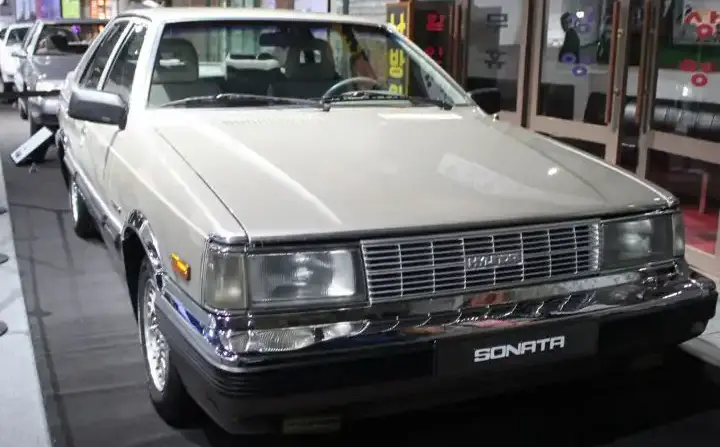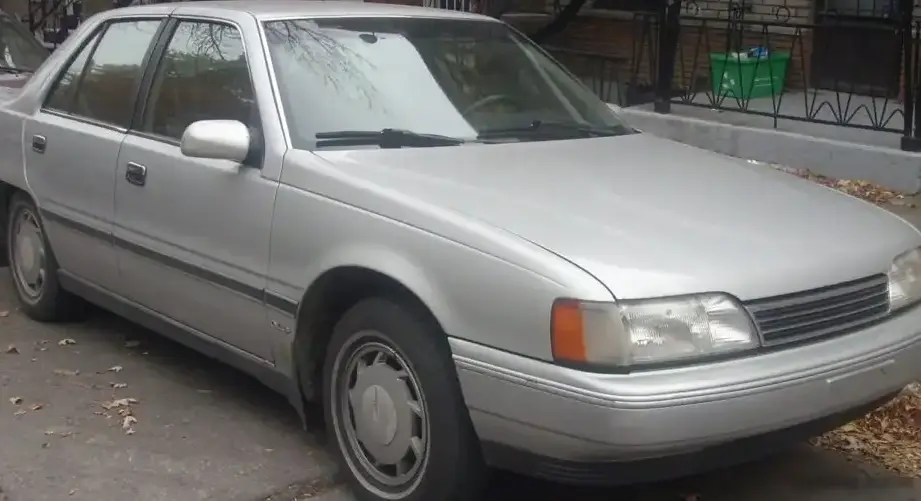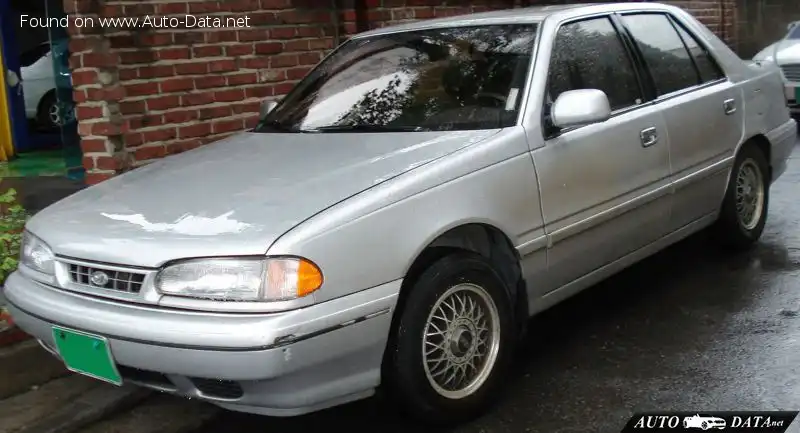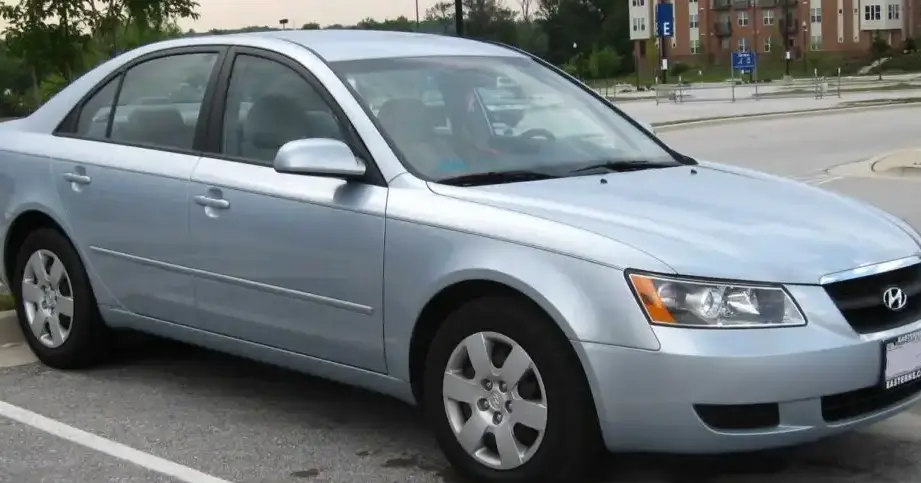
The Hyundai Sonata V (NF) 2.0i 16V, produced between 2006 and 2008, represented a significant step forward for Hyundai in the mid-size sedan segment. Part of the fifth generation Sonata (NF), this variant offered a balance between affordability, fuel efficiency, and acceptable performance for the average family car buyer. Positioned as a mainstream offering within the NF lineup, it sat below the more powerful 2.4L and V6 engine options, and often served as the entry point into the fifth-generation Sonata range. The NF generation itself was a critical model for Hyundai, marking a period of increased quality and design sophistication as the brand aimed to challenge established Japanese and American automakers in the US market.
Technical Specifications
| Brand | Hyundai |
| Model | Sonata |
| Generation | Sonata V (NF) |
| Type (Engine) | 2.0i 16V (137 Hp) |
| Start of production | 2006 |
| End of production | 2008 |
| Powertrain Architecture | Internal Combustion engine |
| Body type | Sedan |
| Seats | 5 |
| Doors | 4 |
| Fuel consumption (urban) | 10.3 l/100 km (22.8 US mpg) |
| Fuel consumption (extra urban) | 8.2 l/100 km (28.7 US mpg) |
| Fuel consumption (combined) | 9.2 l/100 km (25.6 US mpg) |
| Fuel Type | Petrol (Gasoline) |
| Acceleration 0 – 100 km/h | 9.6 sec |
| Acceleration 0 – 62 mph | 9.6 sec |
| Acceleration 0 – 60 mph | 9.1 sec |
| Maximum speed | 200 km/h (124.27 mph) |
| Weight-to-power ratio | 10.9 kg/Hp |
| Weight-to-torque ratio | 8.4 kg/Nm |
| Power | 137 Hp @ 6000 rpm |
| Torque | 179 Nm @ 4600 rpm (132.02 lb.-ft. @ 4600 rpm) |
| Engine layout | Front, Transverse |
| Engine displacement | 1997 cm3 (121.86 cu. in.) |
| Number of cylinders | 4 |
| Engine configuration | Inline |
| Number of valves per cylinder | 4 |
| Fuel injection system | Multi-port manifold injection |
| Engine aspiration | Naturally aspirated |
| Engine oil capacity | 4.3 l (4.54 US qt | 3.78 UK qt) |
| Kerb Weight | 1498 kg (3302.52 lbs) |
| Max. weight | 2020 kg (4453.34 lbs) |
| Max load | 522 kg (1150.81 lbs) |
| Trunk (boot) space | 430 l (15.19 cu. ft.) |
| Fuel tank capacity | 65 l (17.17 US gal | 14.3 UK gal) |
| Length | 4747 mm (186.89 in) |
| Width | 1820 mm (71.65 in) |
| Height | 1422 mm (55.98 in) |
| Wheelbase | 2700 mm (106.3 in) |
| Front track | 1540 mm (60.63 in) |
| Rear track | 1530 mm (60.24 in) |
| Drivetrain Architecture | Front wheel drive |
| Number of gears | 5 |
| Gearbox type | Manual transmission |
| Front suspension | Spring Strut |
| Rear suspension | Transverse stabilizer |
| Front brakes | Ventilated discs |
| Rear brakes | Disc |
| Assisting systems | ABS (Anti-lock braking system) |
| Steering type | Steering rack and pinion |
| Tires size | 215/60 R16 |
Powertrain & Engine Architecture
The heart of the Sonata V 2.0i was the Hyundai G4GC engine, a 1.997-liter inline-four cylinder gasoline engine. This engine utilized a multi-port fuel injection (MPI) system, a common setup for the time, delivering fuel directly into the intake ports. The engine featured a dual overhead camshaft (DOHC) design with four valves per cylinder, contributing to its relatively efficient breathing. The 137 horsepower output at 6000 rpm and 179 Nm (132 lb-ft) of torque at 4600 rpm were respectable figures for its displacement, but not particularly groundbreaking. The engine was known for its relatively smooth operation and acceptable reliability. The five-speed manual transmission was the standard offering, providing drivers with a direct connection to the engine. While an automatic transmission was available, the manual was favored by those seeking slightly better fuel economy and a more engaging driving experience.
Driving Characteristics
The 2.0i Sonata offered a comfortable, if not particularly sporty, driving experience. Acceleration from 0-60 mph took around 9.1 seconds, making it competitive with other mainstream sedans of the era. The five-speed manual transmission allowed for reasonable control over the engine’s power band, but the engine lacked the low-end torque of larger displacement engines. This meant that drivers often needed to downshift to maintain momentum when climbing hills or overtaking. Compared to the 2.4L Sonata, the 2.0i felt noticeably less powerful, but it offered a more economical option for those prioritizing fuel efficiency. The suspension was tuned for comfort, absorbing bumps and imperfections in the road reasonably well. Steering was light and easy, making it suitable for city driving.
Equipment & Trim Levels
The 2.0i Sonata typically came standard with features such as air conditioning, power windows and locks, a basic audio system, and ABS brakes. Higher trim levels added features like alloy wheels, a sunroof, upgraded audio systems, and cruise control. Interior upholstery was typically cloth, with optional leather available on higher trims. The dashboard layout was functional and straightforward, with easy-to-read gauges and controls. The Sonata V aimed to provide a good value proposition, offering a reasonable level of equipment for its price point.
Chassis & Braking
The Sonata V utilized a front-wheel-drive layout with a MacPherson strut front suspension and a multi-link rear suspension. This setup provided a good balance between ride comfort and handling. The front brakes were ventilated discs, offering adequate stopping power, while the rear brakes were solid discs. ABS was standard, enhancing safety by preventing wheel lockup during hard braking. The chassis was relatively lightweight, contributing to the car’s overall fuel efficiency.
Market Reception & Comparison
The Hyundai Sonata V 2.0i was generally well-received by critics as a practical and affordable family sedan. It was praised for its comfortable ride, spacious interior, and good value for money. However, it was also criticized for its lack of performance compared to some of its competitors, and its somewhat bland styling. Compared to the 2.4L Sonata, the 2.0i offered better fuel economy but less power. The 2.0i was often seen as a sensible choice for budget-conscious buyers who prioritized practicality over performance.
Legacy
The Hyundai Sonata V 2.0i, while not a performance icon, played a crucial role in establishing Hyundai as a credible competitor in the mid-size sedan market. The G4GC engine proved to be relatively reliable, and many examples are still on the road today. In the used car market, the 2.0i Sonata is often sought after for its affordability and fuel efficiency. While maintenance costs are generally low, potential buyers should be aware of common issues such as oil leaks and worn suspension components. The NF generation Sonata, and the 2.0i variant in particular, represents a turning point for Hyundai, demonstrating the brand’s commitment to quality and value.