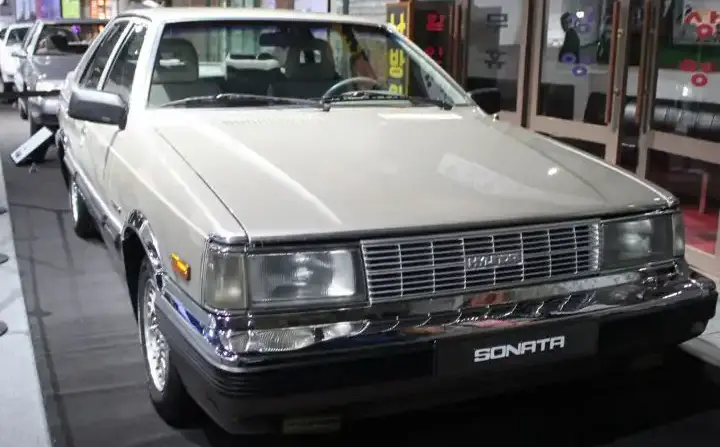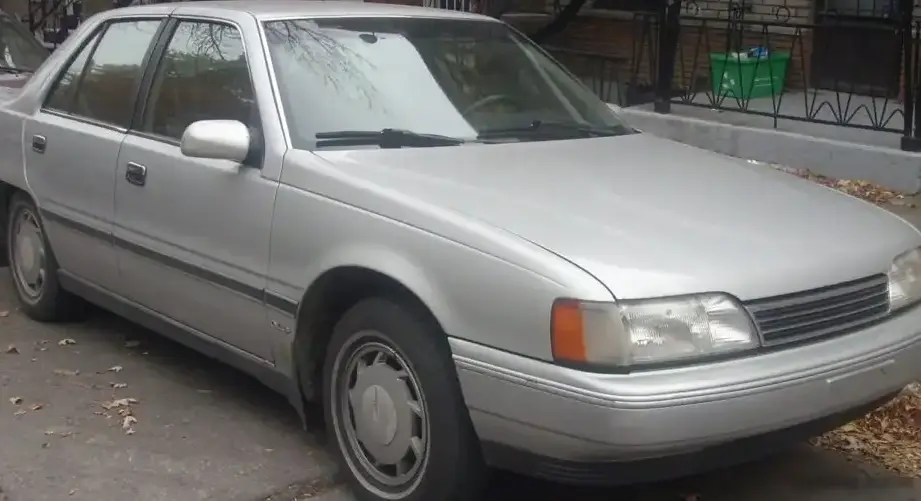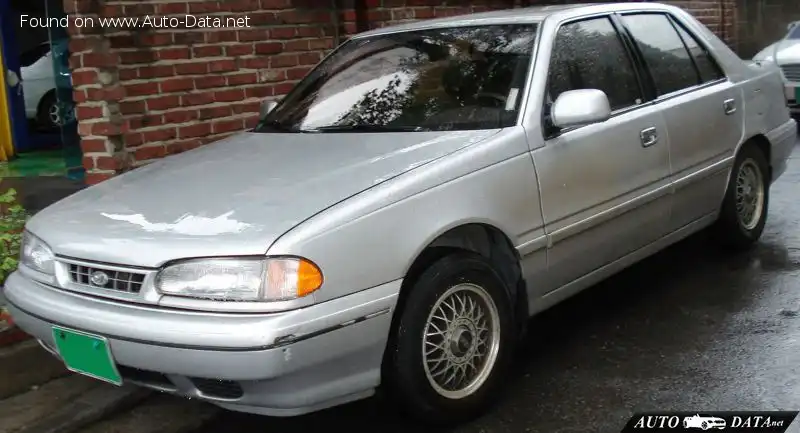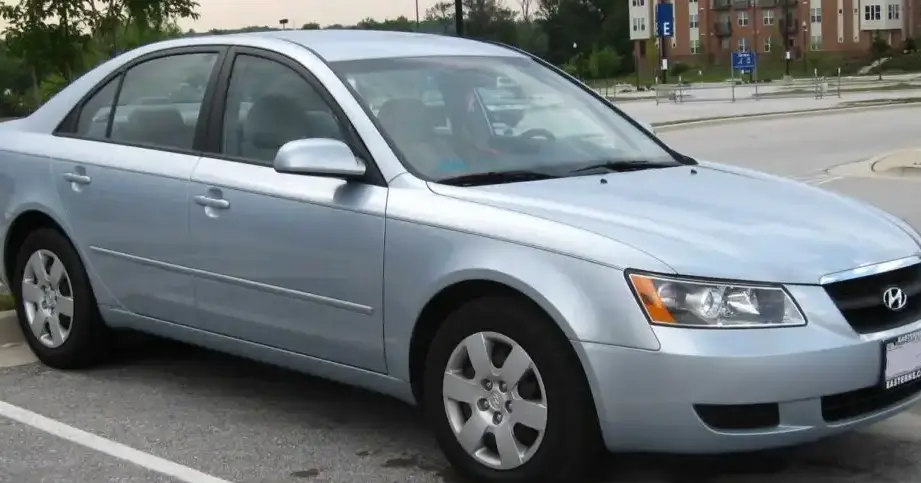
The Hyundai Sonata V (NF) 2.7i V6, produced between 2006 and 2008, represented a significant step forward for Hyundai in the mid-size sedan segment. Part of the fifth generation Sonata (NF), this variant offered a balance between performance and affordability, aiming to attract buyers seeking a more refined driving experience than the base models. Positioned as a mid-range offering within the NF lineup, it slotted above the 2.4L four-cylinder models and below the more powerful 3.3L V6. The NF generation itself was a crucial model for Hyundai, marking a departure from previous designs with a more contemporary aesthetic and improved build quality, heavily influenced by European design trends. This model was primarily targeted towards the North American market, where the demand for larger, comfortable sedans was high.
Technical Specifications
| Brand | Hyundai |
| Model | Sonata |
| Generation | Sonata V (NF) |
| Type (Engine) | 2.7i V6 (172 Hp) |
| Start of production | 2006 |
| End of production | 2008 |
| Powertrain Architecture | Internal Combustion engine |
| Body type | Sedan |
| Seats | 5 |
| Doors | 4 |
| Fuel Type | Petrol (Gasoline) |
| Acceleration 0 – 100 km/h | 9.7 sec |
| Acceleration 0 – 62 mph | 9.7 sec |
| Acceleration 0 – 60 mph | 9.2 sec |
| Maximum speed | 210 km/h (130.49 mph) |
| Weight-to-power ratio | 8.5 kg/Hp, 117.6 Hp/tonne |
| Weight-to-torque ratio | 5.9 kg/Nm, 170.9 Nm/tonne |
| Power | 172 Hp @ 6000 rpm |
| Power per litre | 64.8 Hp/l |
| Torque | 250 Nm @ 4000 rpm (184.39 lb.-ft. @ 4000 rpm) |
| Engine layout | Front, Transverse |
| Engine displacement | 2656 cm3 (162.08 cu. in.) |
| Number of cylinders | 6 |
| Engine configuration | V-engine |
| Cylinder Bore | 86.7 mm (3.41 in.) |
| Piston Stroke | 75 mm (2.95 in.) |
| Compression ratio | 10:1 |
| Number of valves per cylinder | 4 |
| Fuel injection system | Multi-port manifold injection |
| Engine aspiration | Naturally aspirated engine |
| Valvetrain | DOHC |
| Kerb Weight | 1463 kg (3225.36 lbs.) |
| Max. weight | 2030 kg (4475.38 lbs.) |
| Max load | 567 kg (1250.02 lbs.) |
| Trunk (boot) space – minimum | 523 l (18.47 cu. ft.) |
| Fuel tank capacity | 70 l (18.49 US gal | 15.4 UK gal) |
| Length | 4800 mm (188.98 in.) |
| Width | 1832 mm (72.13 in.) |
| Height | 1474 mm (58.03 in.) |
| Wheelbase | 2730 mm (107.48 in.) |
| Front track | 1565 mm (61.61 in.) |
| Rear (Back) track | 1550 mm (61.02 in.) |
| Drivetrain Architecture | The Internal combustion engine (ICE) drives the front wheels of the vehicle. |
| Drive wheel | Front wheel drive |
| Number of gears and type of gearbox | 5 gears, manual transmission |
| Front suspension | Double wishbone |
| Rear suspension | Transverse stabilizer |
| Front brakes | Ventilated discs |
| Rear brakes | Disc |
| Steering type | Steering rack and pinion |
| Tires size | 215/60 R16 |
| Wheel rims size | 6.5J X 16 |
Powertrain & Engine Architecture
The heart of the Sonata V 2.7i was the Hyundai-developed 2.7-liter (2656 cc) DOHC 24-valve V6 engine. This engine, internally designated as the G27, featured a 60-degree V-angle and utilized a cast iron block with an aluminum cylinder head. The engine employed multi-point fuel injection, delivering fuel directly to each intake port. The valvetrain configuration, Dual Overhead Camshafts (DOHC), allowed for precise control of valve timing, contributing to improved engine efficiency and power delivery. While not a particularly high-revving engine, it provided a broad torque curve, making it suitable for everyday driving. The 5-speed manual transmission was the standard offering, providing drivers with direct control over gear selection. The transmission was chosen for its durability and relatively simple design.
Driving Characteristics
The 2.7L V6 with the 5-speed manual transmission offered a noticeable step up in performance compared to the base 2.4L four-cylinder Sonata. Acceleration from 0-60 mph was achieved in approximately 9.2 seconds, making it competitive within its class. The engine delivered smooth and linear power, with ample torque available for merging onto highways and overtaking maneuvers. The manual transmission, while not sporty, provided a connected driving experience. The gear ratios were tuned for fuel efficiency and comfortable cruising, rather than outright performance. Compared to the 3.3L V6, the 2.7L felt less powerful, but it offered a better balance between performance and fuel economy. The suspension, tuned for comfort, provided a relatively smooth ride, absorbing most road imperfections effectively.
Equipment & Trim Levels
The 2.7i V6 trim typically included features such as air conditioning, power windows and locks, a CD player with an auxiliary input, and cloth upholstery. Higher trim levels offered upgrades like leather seats, a sunroof, and upgraded audio systems. Safety features included dual front airbags, side airbags, and anti-lock brakes (ABS). The Sonata V aimed to provide a comfortable and well-equipped interior, with a focus on practicality and ease of use. The dashboard layout was straightforward and functional, with clearly labeled controls.
Chassis & Braking
The Sonata V utilized a front-wheel-drive layout with a MacPherson strut front suspension and a multi-link rear suspension. The suspension was tuned for comfort, prioritizing ride quality over sporty handling. The braking system consisted of ventilated disc brakes at the front and solid disc brakes at the rear. ABS was standard, providing enhanced braking control in emergency situations. The steering was a rack-and-pinion system, offering reasonable precision and feedback. The 215/60R16 tires provided adequate grip for everyday driving conditions.
Market Reception & Comparison
The Sonata V 2.7i V6 was generally well-received by automotive critics. It was praised for its comfortable ride, spacious interior, and value for money. However, some critics noted that the engine lacked the refinement and power of its Japanese competitors. Fuel economy was considered average for its class. Compared to the 2.4L four-cylinder Sonata, the 2.7L V6 offered a significant performance upgrade, but at a higher price point. Compared to the 3.3L V6, it provided a more fuel-efficient and affordable option, albeit with less power.
Legacy
The Hyundai Sonata V 2.7i V6, while not a groundbreaking vehicle, played a crucial role in establishing Hyundai as a credible competitor in the mid-size sedan market. The G27 engine proved to be relatively reliable, with few major issues reported. Today, these Sonatas are often found as affordable and dependable used cars. While maintenance costs are generally low, age-related issues such as worn suspension components and potential oil leaks should be considered. The NF generation Sonata, and the 2.7i V6 variant in particular, represents a turning point for Hyundai, demonstrating the brand’s commitment to improving quality and offering competitive vehicles.