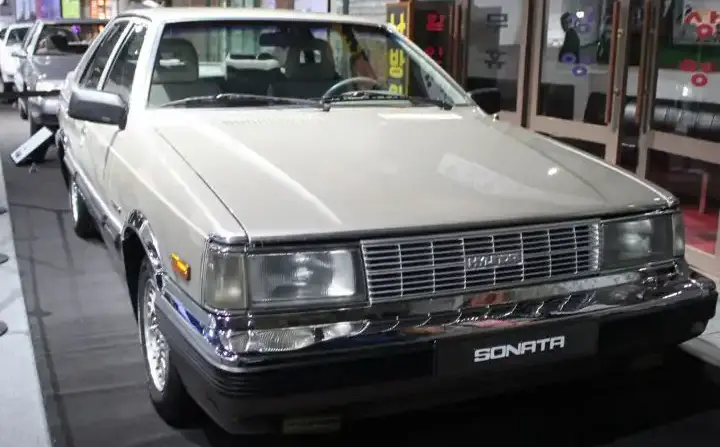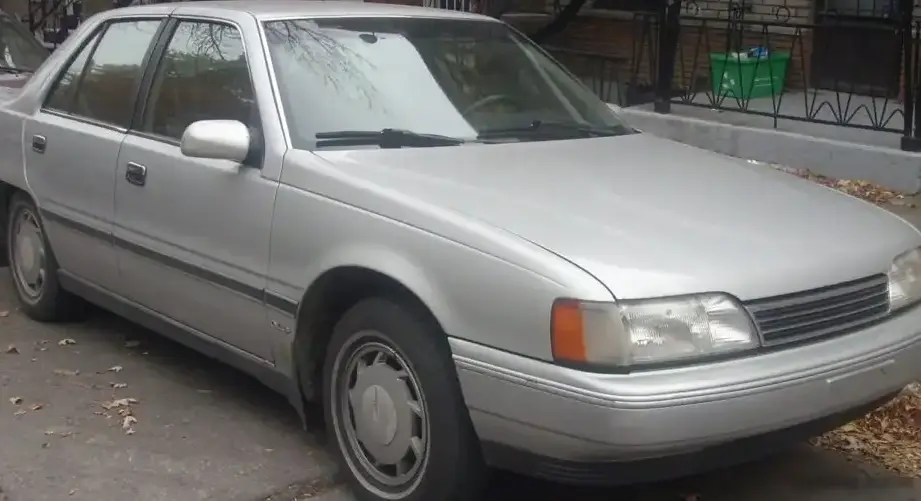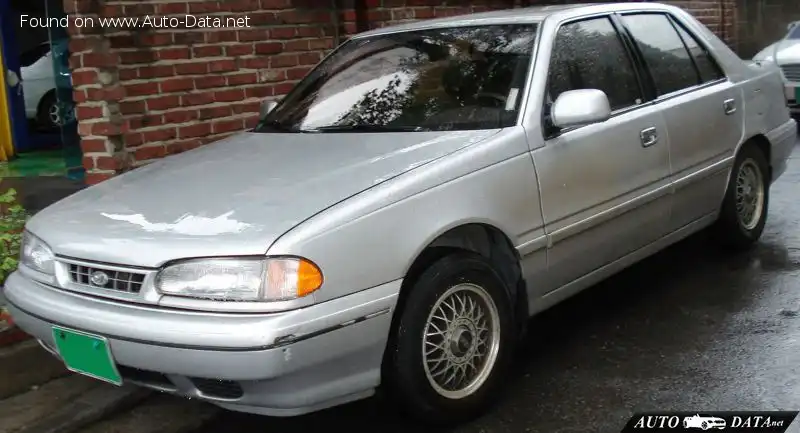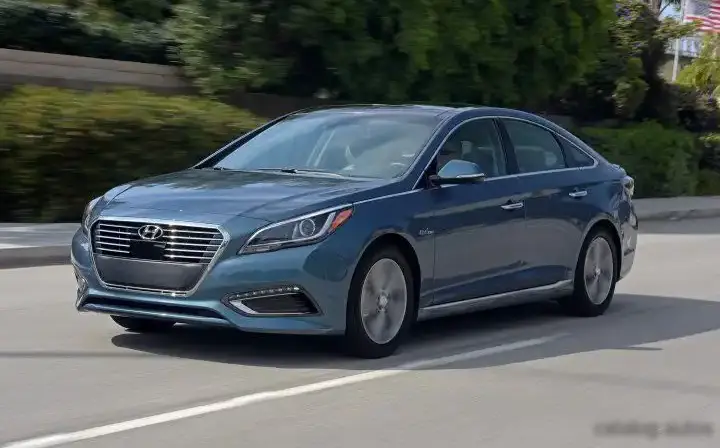
The Hyundai Sonata VII (LF), produced from 2014 to 2015, represented a significant step forward for Hyundai in the mid-size sedan segment. The 2.4 GDi variant, equipped with a 2.4-liter gasoline direct injection engine producing 188 horsepower and paired with a 6-speed automatic transmission, occupied a key position in the lineup, offering a balance of performance and fuel efficiency. This model was primarily aimed at the North American and international markets, where the demand for comfortable, well-equipped, and relatively fuel-efficient family sedans was high. It built upon the success of the previous generation Sonata (YF), addressing criticisms regarding interior quality and refinement.
Technical Specifications
| Brand | Hyundai |
| Model | Sonata |
| Generation | Sonata VII (LF) |
| Type (Engine) | 2.4 GDi (188 Hp) Automatic |
| Start of production | 2014 |
| End of production | 2015 |
| Powertrain Architecture | Internal Combustion engine |
| Body type | Sedan |
| Seats | 5 |
| Doors | 4 |
| Fuel consumption (combined) | 9 l/100 km (26.1 US mpg, 31.4 UK mpg, 11.1 km/l) |
| Fuel Type | Petrol (Gasoline) |
| Weight-to-power ratio | 8.1 kg/Hp, 123 Hp/tonne |
| Weight-to-torque ratio | 6.3 kg/Nm, 157.6 Nm/tonne |
| Power | 188 Hp @ 6000 rpm |
| Power per litre | 79.7 Hp/l |
| Torque | 241 Nm @ 4000 rpm (177.75 lb.-ft. @ 4000 rpm) |
| Engine layout | Front, Transverse |
| Engine Model/Code | Theta II / G4KJ |
| Engine displacement | 2359 cm3 (143.96 cu. in.) |
| Number of cylinders | 4 |
| Engine configuration | Inline |
| Cylinder Bore | 88 mm (3.46 in.) |
| Piston Stroke | 97 mm (3.82 in.) |
| Compression ratio | 11.3:1 |
| Number of valves per cylinder | 4 |
| Fuel injection system | Direct injection |
| Engine aspiration | Naturally aspirated engine |
| Valvetrain | DOHC, CVVT |
| Engine oil capacity | 4.8 l (5.07 US qt | 4.22 UK qt) |
| Coolant | 7.2 l (7.61 US qt | 6.34 UK qt) |
| Kerb Weight | 1529 kg (3370.87 lbs.) |
| Max. weight | 2040 kg (4497.43 lbs.) |
| Max load | 511 kg (1126.56 lbs.) |
| Trunk (boot) space – maximum | 462 l (16.32 cu. ft.) |
| Fuel tank capacity | 70 l (18.49 US gal | 15.4 UK gal) |
| Length | 4855 mm (191.14 in.) |
| Width | 1865 mm (73.43 in.) |
| Height | 1476 mm (58.11 in.) |
| Wheelbase | 2805 mm (110.43 in.) |
| Front track | 1598 mm (62.91 in.) |
| Rear (Back) track | 1603 mm (63.11 in.) |
| Front overhang | 965 mm (37.99 in.) |
| Rear overhang | 1085 mm (42.72 in.) |
| Ride height (ground clearance) | 135 mm (5.31 in.) |
| Drag coefficient (Cd) | 0.27 |
| Minimum turning circle (turning diameter) | 10.9 m (35.76 ft.) |
| Drivetrain Architecture | The Internal combustion engine (ICE) drives the front wheels of the vehicle. |
| Drive wheel | Front wheel drive |
| Number of gears and type of gearbox | 6 gears, automatic transmission |
| Front suspension | Independent type McPherson |
| Rear suspension | Independent multi-link suspension |
| Front brakes | Ventilated discs |
| Rear brakes | Disc |
| Assisting systems | ABS (Anti-lock braking system) |
| Steering type | Steering rack and pinion |
| Tires size | 215/55 R17 |
| Wheel rims size | 7.0J x 17 |
Powertrain & Engine Architecture
The heart of the Sonata 2.4 GDi is the Hyundai Theta II engine, specifically the G4KJ code. This 2.4-liter inline-four engine utilizes gasoline direct injection (GDi) technology, which improves fuel efficiency and power output compared to traditional port fuel injection. The G4KJ features a dual continuously variable valve timing (CVVT) system, optimizing valve timing for both intake and exhaust strokes, further enhancing performance and efficiency. The engine produces 188 horsepower at 6000 rpm and 241 Nm (177.75 lb-ft) of torque at 4000 rpm. The 6-speed automatic transmission, a common choice in this class, was tuned for smooth shifts and reasonable responsiveness. While not a performance-oriented transmission, it provided adequate acceleration for everyday driving.
Driving Characteristics
The 2.4 GDi automatic Sonata offered a comfortable and predictable driving experience. Acceleration was adequate for merging onto highways and passing other vehicles, but it wasn’t particularly sporty. The automatic transmission, while smooth, sometimes felt hesitant during quick acceleration, requiring a deliberate push of the throttle. Compared to the available turbocharged 2.0T engine, the 2.4 GDi lacked the same level of punch. However, it offered a more linear power delivery and better fuel economy. The gear ratios were optimized for cruising, making it a pleasant vehicle for long road trips. The steering was light and easy, prioritizing comfort over feedback.
Equipment & Trim Levels
The 2.4 GDi trim typically included standard features such as air conditioning, power windows and locks, a touchscreen infotainment system with Bluetooth connectivity, and a rearview camera. Higher trim levels added features like leather upholstery, a sunroof, heated seats, and a premium audio system. Interior materials were generally of good quality for the price point, though not as luxurious as some competitors. The dashboard layout was clean and functional, with intuitive controls. Optional extras included navigation, blind-spot monitoring, and lane departure warning systems.
Chassis & Braking
The Sonata VII (LF) utilized a front-wheel-drive platform with an independent McPherson strut suspension in the front and an independent multi-link suspension in the rear. This suspension setup provided a comfortable ride, absorbing bumps and imperfections in the road effectively. The front brakes were ventilated discs, while the rear brakes were solid discs, providing adequate stopping power for the vehicle’s weight. Anti-lock braking system (ABS) was standard. The chassis was designed to balance ride comfort with handling stability, leaning more towards the former.
Market Reception & Comparison
The Hyundai Sonata 2.4 GDi Automatic was generally well-received by critics and consumers. It was praised for its spacious interior, comfortable ride, and long warranty. Fuel economy was considered competitive for its class, averaging around 26.1 US mpg in combined driving. Compared to rivals like the Toyota Camry and Honda Accord, the Sonata offered a more modern design and a more generous feature set for the price. However, some critics noted that the interior materials weren’t quite as refined as those found in the Japanese competitors. Reliability was generally good, though some owners reported minor issues with the infotainment system.
Legacy
The Hyundai Sonata VII (LF) 2.4 GDi Automatic has proven to be a relatively reliable vehicle in the used car market. The Theta II engine, while not without its potential issues (such as oil consumption in some cases), is generally durable when properly maintained. The 6-speed automatic transmission is also known for its reliability. Today, these Sonatas represent a good value for budget-conscious buyers seeking a comfortable and well-equipped mid-size sedan. The model helped solidify Hyundai’s reputation for building quality vehicles that offer a compelling alternative to established brands.