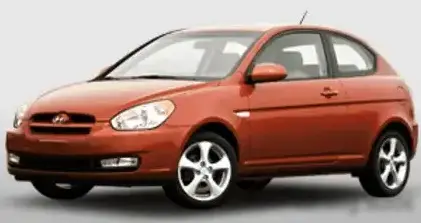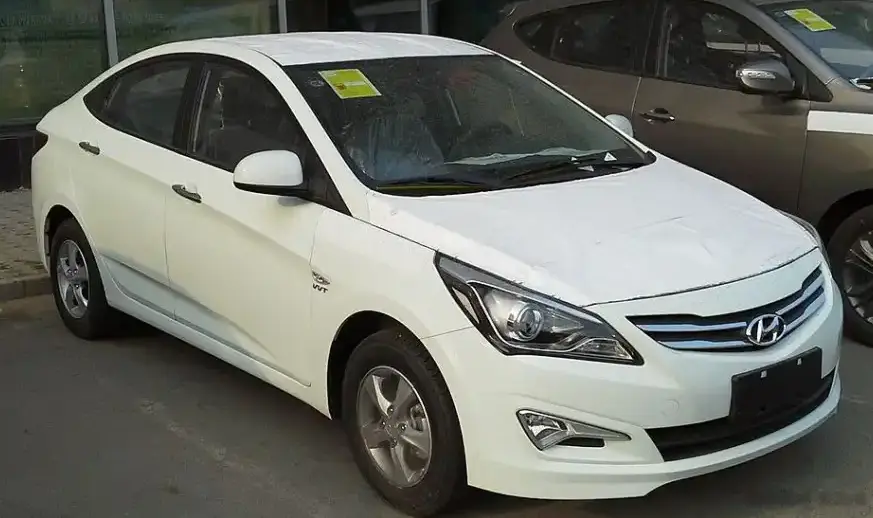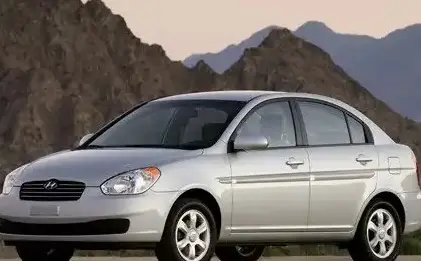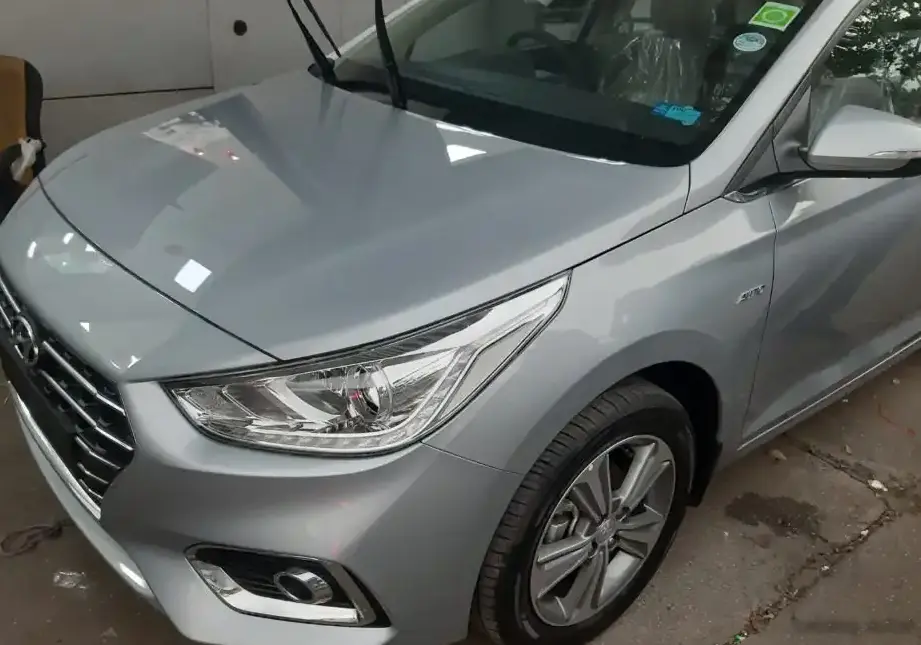
The Hyundai Verna V 1.6 CRDi, produced between August 2017 and March 2020, represents a significant iteration of Hyundai’s compact sedan offering, primarily targeted towards the Asian and emerging markets. This variant, powered by the U II / D4FB 1.6-liter common rail diesel engine producing 128 horsepower, occupied a mid-range position within the Verna V lineup, offering a balance between fuel efficiency, performance, and features. It was positioned above the base petrol models and below the potentially available higher-specification diesel trims, catering to buyers seeking a refined and economical driving experience. The Verna V generation (also known as the Accent in some markets) aimed to provide a compelling alternative to established competitors like the Honda City, Toyota Vios, and Maruti Suzuki Ciaz.
Technical Specifications
| Brand | Hyundai |
| Model | Verna |
| Generation | Verna V |
| Type (Engine) | 1.6 CRDi (128 Hp) |
| Start of production | August, 2017 |
| End of production | March, 2020 |
| Powertrain Architecture | Internal Combustion engine |
| Body type | Sedan |
| Seats | 5 |
| Doors | 4 |
| Fuel Type | Diesel |
| Power | 128 Hp @ 4000 rpm |
| Power per litre | 80.9 Hp/l |
| Torque | 260 Nm @ 1500-3000 rpm / 191.77 lb.-ft. @ 1500-3000 rpm |
| Engine layout | Front, Transverse |
| Engine Model/Code | U II / D4FB |
| Engine displacement | 1582 cm3 / 96.54 cu. in. |
| Number of cylinders | 4 |
| Engine configuration | Inline |
| Number of valves per cylinder | 4 |
| Fuel injection system | Diesel Commonrail |
| Engine aspiration | Turbocharger, Intercooler |
| Valvetrain | DOHC, VGT |
| Engine oil capacity | 5.3 l / 5.6 US qt | 4.66 UK qt |
| Coolant | 6.3 l / 6.66 US qt | 5.54 UK qt |
| Fuel tank capacity | 45 l / 11.89 US gal | 9.9 UK gal |
| Length | 4440 mm / 174.8 in |
| Width | 1729 mm / 68.07 in |
| Height | 1475 mm / 58.07 in |
| Wheelbase | 2600 mm / 102.36 in |
| Drivetrain Architecture | The Internal combustion engine (ICE) drives the front wheels of the vehicle. |
| Drive wheel | Front wheel drive |
| Number of gears and type of gearbox | 6 gears, manual transmission |
| Front suspension | Coil spring, Independent type McPherson |
| Rear suspension | Torsion |
| Front brakes | Disc |
| Rear brakes | Drum |
| Assisting systems | ABS (Anti-lock braking system) |
| Steering type | Steering rack and pinion |
| Power steering | Electric Steering |
| Tires size | 185/65 R15; 195/55 R16 |
| Wheel rims size | 15; 16 |
Powertrain & Engine Architecture
The heart of the Verna V 1.6 CRDi is the U II series 1.6-liter inline-four cylinder diesel engine, designated D4FB. This engine utilizes a common rail direct injection system, delivering fuel at extremely high pressures for optimized combustion. The turbocharger, coupled with an intercooler, enhances power output by forcing more air into the cylinders. The engine features a Double Overhead Camshaft (DOHC) valvetrain with Variable Geometry Turbocharger (VGT) technology, allowing for improved responsiveness and efficiency across a wider RPM range. The 6-speed manual transmission was the standard offering for this variant, providing drivers with precise control over gear selection. The engine’s architecture was designed for durability and relatively low maintenance, a key consideration for the target market.
Driving Characteristics
The 128 hp and 260 Nm (191.77 lb-ft) of torque provided by the 1.6 CRDi engine delivered a respectable driving experience. While not overtly sporty, the engine offered sufficient power for everyday driving conditions, including highway overtaking and city commutes. The torque curve, peaking between 1500-3000 rpm, meant that strong acceleration was readily available without needing to rev the engine excessively. Compared to the base petrol engines, the diesel variant offered significantly improved fuel economy and a more relaxed cruising experience. However, it lacked the immediate responsiveness of higher-output diesel versions, if available in certain markets. The 6-speed manual transmission allowed for efficient power delivery, although the gear ratios were tuned more for fuel economy than outright performance.
Equipment & Trim Levels
The Verna V 1.6 CRDi typically came equipped with a range of standard features, including air conditioning, power windows, power steering, and a basic audio system. Safety features generally included dual airbags, ABS, and rear parking sensors. Higher trim levels within the Verna V range offered additional features such as alloy wheels, a touchscreen infotainment system with Bluetooth connectivity, automatic climate control, and a rear-view camera. Interior upholstery was typically cloth, with higher trims potentially offering leather options. The overall interior design was functional and modern, aiming to provide a comfortable and practical cabin environment.
Chassis & Braking
The Verna V utilized a front-wheel-drive configuration with a McPherson strut independent suspension system at the front and a torsion beam suspension at the rear. This setup provided a reasonable balance between ride comfort and handling. The front brakes were disc brakes, offering adequate stopping power, while the rear brakes were drum brakes, a cost-saving measure common in this segment. Electric power steering provided light and easy steering feel, making it suitable for urban driving. Tire sizes typically ranged from 185/65 R15 to 195/55 R16, depending on the trim level.
Market Reception & Comparison
The Hyundai Verna V 1.6 CRDi was generally well-received in its target markets, praised for its fuel efficiency, comfortable ride, and competitive pricing. Critics noted that while the engine wasn’t the most powerful in its class, it provided a good balance of performance and economy. Compared to the petrol variants, the diesel model offered significantly better fuel economy, making it a popular choice for drivers covering long distances. Against competitors like the Honda City and Toyota Vios, the Verna V offered a more modern design and a more comprehensive feature list at a similar price point. However, some reviewers pointed out that the interior quality wasn’t quite on par with some of its rivals.
Legacy
The Hyundai Verna V 1.6 CRDi has proven to be a relatively reliable powertrain in the used car market. The D4FB engine, while not without its potential issues (such as potential turbocharger wear and common rail injector problems with age and maintenance neglect), is generally considered durable when properly maintained. The availability of spare parts is good, and maintenance costs are relatively reasonable. Today, these vehicles represent a cost-effective option for buyers seeking a fuel-efficient and practical compact sedan. The Verna V 1.6 CRDi played a significant role in establishing Hyundai as a major player in the global compact car segment, demonstrating the brand’s commitment to providing value-for-money vehicles with modern features and reliable performance.