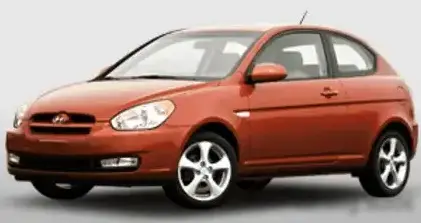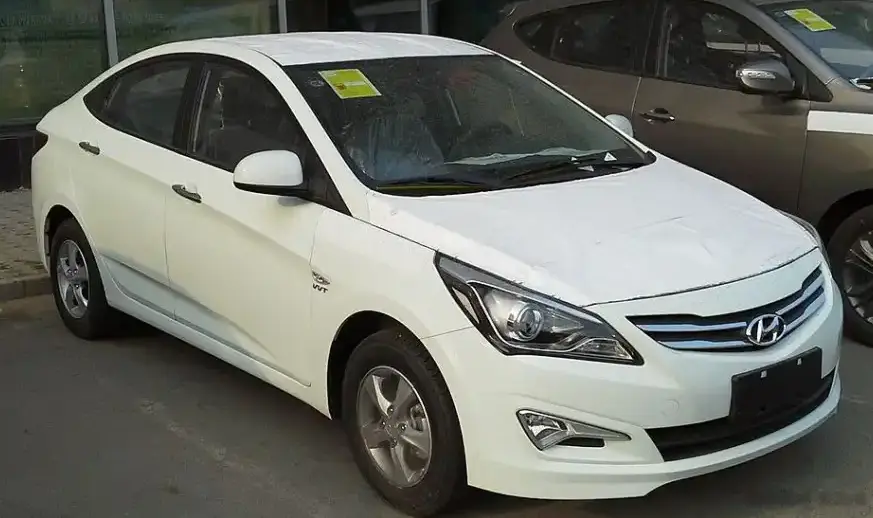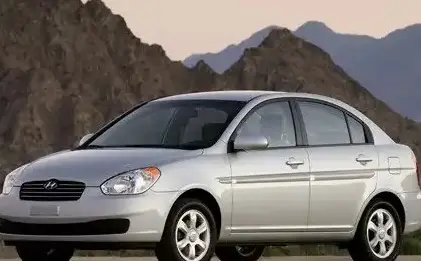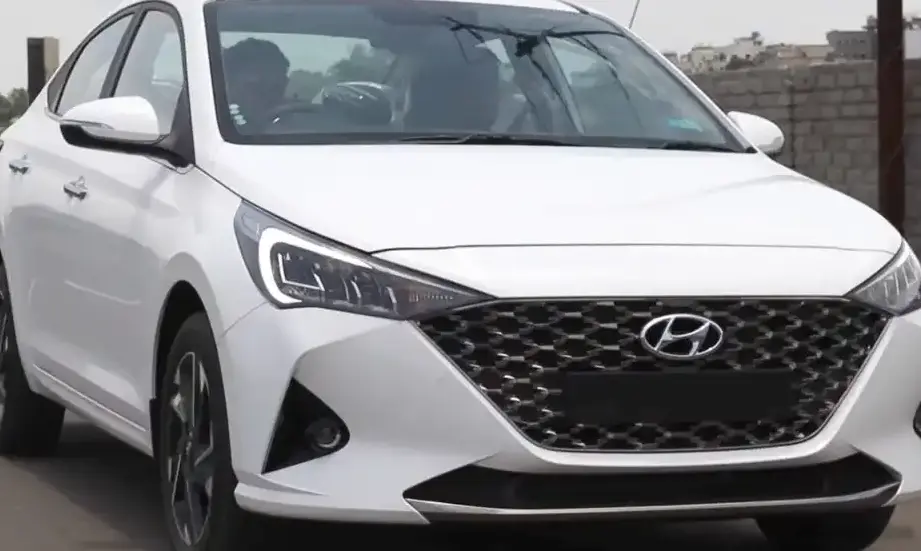
The Hyundai Verna V (facelift, introduced in March 2020 and continuing through February 2023) represents a mid-cycle refresh of the fifth-generation Verna, a compact sedan primarily aimed at the Asian and, to a lesser extent, South American markets. This particular variant, the 1.5 CRDi producing 115 horsepower, occupied a significant position in the Verna lineup, offering a balance between fuel efficiency, reasonable performance, and affordability. It served as a key competitor to other compact diesel sedans like the Honda City, Maruti Suzuki Ciaz, and Volkswagen Vento in those regions. The facelift brought updated styling, improved features, and refinements to the existing platform, enhancing the Verna’s appeal in a competitive segment.
Technical Specifications
| Brand | Hyundai |
| Model | Verna |
| Generation | Verna V (facelift 2020) |
| Type (Engine) | 1.5 CRDi (115 Hp) |
| Start of production | March, 2020 |
| End of production | February, 2023 |
| Powertrain Architecture | Internal Combustion engine |
| Body type | Sedan |
| Seats | 5 |
| Doors | 4 |
| Fuel Type | Diesel |
| Power | 115 Hp @ 4000 rpm |
| Power per litre | 77 Hp/l |
| Torque | 250 Nm @ 1500-2750 rpm / 184.39 lb.-ft. @ 1500-2750 rpm |
| Engine layout | Front, Transverse |
| Engine Model/Code | U II / D4FA |
| Engine displacement | 1493 cm3 / 91.11 cu. in. |
| Number of cylinders | 4 |
| Engine configuration | Inline |
| Number of valves per cylinder | 4 |
| Fuel injection system | Diesel Commonrail |
| Engine aspiration | Turbocharger, Intercooler |
| Valvetrain | DOHC, VGT |
| Engine oil capacity | 4.8 l / 5.07 US qt | 4.22 UK qt |
| Fuel tank capacity | 45 l / 11.89 US gal | 9.9 UK gal |
| Length | 4440 mm / 174.8 in |
| Width | 1729 mm / 68.07 in |
| Height | 1475 mm / 58.07 in |
| Wheelbase | 2600 mm / 102.36 in |
| Drivetrain Architecture | The Internal combustion engine (ICE) drives the front wheels of the vehicle. |
| Drive wheel | Front wheel drive |
| Number of gears and type of gearbox | 6 gears, manual transmission |
| Front suspension | Coil spring, Independent type McPherson |
| Rear suspension | Torsion |
| Front brakes | Disc |
| Rear brakes | Drum |
| Assisting systems | ABS (Anti-lock braking system) |
| Steering type | Steering rack and pinion |
| Power steering | Electric Steering |
| Tires size | 195/55 R16 |
| Wheel rims size | 16 |
Powertrain & Engine Architecture
The heart of the Verna 1.5 CRDi is the U II / D4FA engine, a 1.5-liter inline-four cylinder diesel engine. This engine utilizes a common rail direct injection system, delivering fuel directly into the combustion chamber at extremely high pressure for improved efficiency and reduced emissions. The engine is turbocharged and intercooled, enhancing power output and torque. The variable geometry turbocharger (VGT) optimizes boost pressure across the engine’s operating range, contributing to the engine’s strong low-end torque. The engine features a double overhead camshaft (DOHC) valvetrain with four valves per cylinder, promoting efficient gas exchange. The 6-speed manual transmission was the standard offering for this variant, providing drivers with full control over gear selection. The transmission’s gear ratios were tuned to maximize fuel economy and provide adequate acceleration.
Driving Characteristics
The 115 hp and 250 Nm (184 lb-ft) of torque provided by the 1.5 CRDi engine delivered a respectable driving experience for everyday use. While not a performance-oriented variant, the engine offered sufficient power for comfortable highway cruising and city driving. The strong low-end torque made overtaking maneuvers relatively easy, even with a full passenger load. Compared to the higher-output petrol engines available in the Verna lineup, the 1.5 CRDi prioritized fuel efficiency over outright acceleration. The manual transmission allowed for precise gear changes, but some drivers might have preferred the convenience of an automatic option, which was available on other Verna trims. The steering felt light and responsive, making it easy to maneuver in urban environments.
Equipment & Trim Levels
The Verna V (facelift) 1.5 CRDi typically came equipped with a range of standard features, including air conditioning, power windows, power steering, central locking, and an audio system with Bluetooth connectivity. Safety features included dual airbags, ABS (Anti-lock Braking System), and rear parking sensors. Higher trim levels offered additional features such as alloy wheels, a touchscreen infotainment system with Apple CarPlay and Android Auto compatibility, a rear-view camera, and automatic climate control. Interior upholstery was typically cloth, with options for leather seats on higher trims. The dashboard layout was functional and user-friendly, with a focus on ergonomics.
Chassis & Braking
The Verna V utilized a front-wheel-drive layout with a McPherson strut independent suspension system at the front and a torsion beam suspension at the rear. This suspension setup provided a comfortable ride quality, absorbing bumps and imperfections in the road surface effectively. The front brakes were ventilated discs, providing ample stopping power, while the rear brakes were drums. The electric power steering system offered light and precise steering feel. The 16-inch alloy wheels, fitted with 195/55 R16 tires, contributed to the vehicle’s stability and handling.
Market Reception & Comparison
The Hyundai Verna 1.5 CRDi (facelift) was generally well-received by automotive critics and consumers alike. It was praised for its fuel efficiency, comfortable ride, and spacious interior. However, some critics noted that the engine could be somewhat noisy at higher speeds. Compared to the petrol variants, the 1.5 CRDi offered significantly better fuel economy, making it an attractive option for drivers who prioritized running costs. The manual transmission was seen as a positive by driving enthusiasts, but some consumers preferred the convenience of an automatic gearbox. In terms of reliability, the Verna generally had a good reputation, with relatively few reported issues.
Legacy
The Hyundai Verna V (facelift) 1.5 CRDi remains a popular choice in the used car market, particularly in regions where diesel engines are favored. The U II / D4FA engine is known for its durability and relatively low maintenance costs, provided it is properly maintained. While modern engines are becoming more efficient, the Verna 1.5 CRDi still offers competitive fuel economy. The vehicle’s spacious interior and comfortable ride continue to appeal to buyers looking for a practical and affordable compact sedan. The Verna’s success helped solidify Hyundai’s position as a major player in the global automotive market.