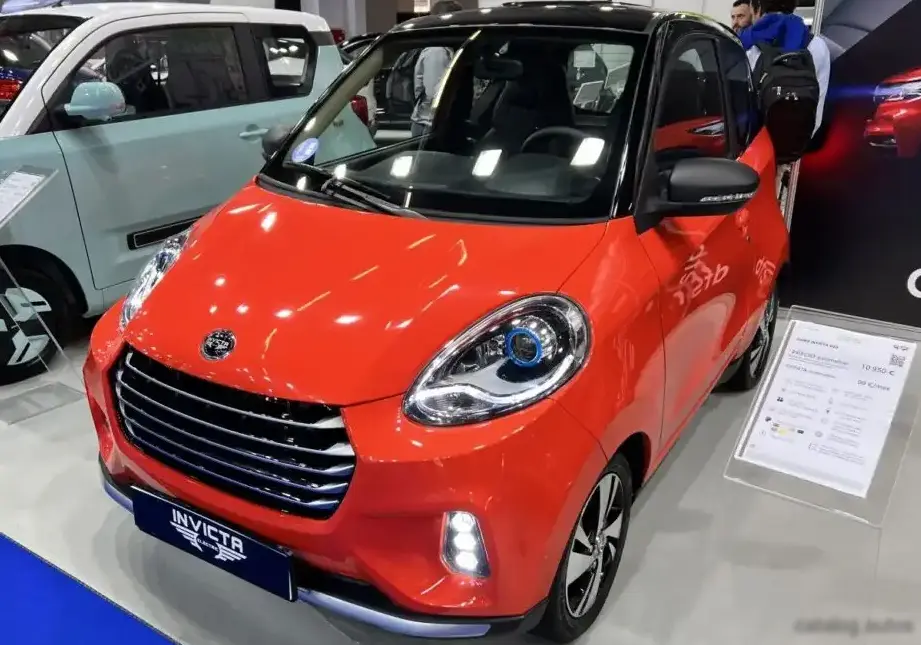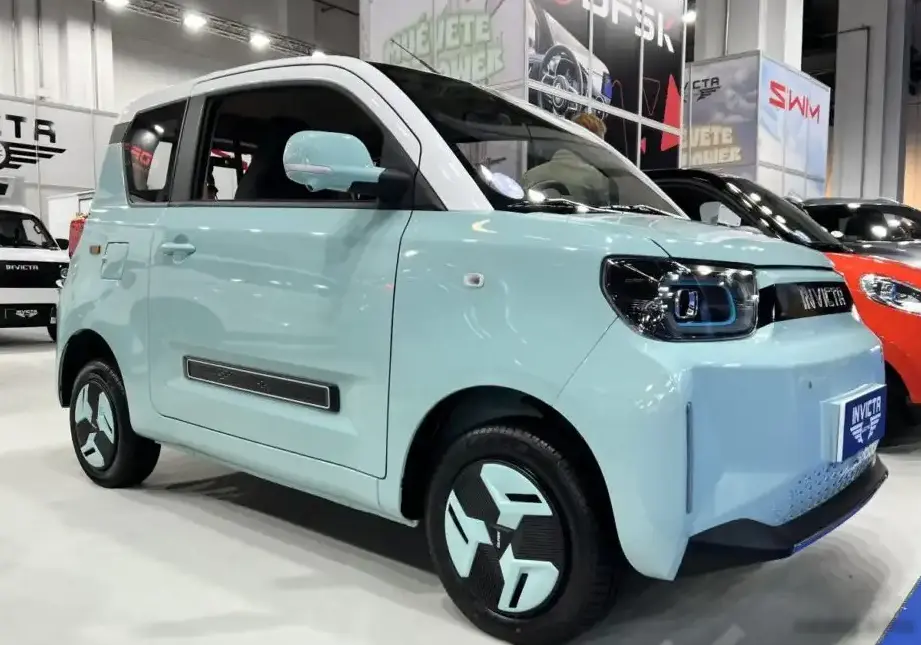
The Invicta Electric Pony 13.7 kWh Automatic, launched in 2023, represents a unique entry into the burgeoning micro-electric vehicle market. Designed and manufactured by Invicta Electric, a relatively new player in the automotive industry, the Pony is a three-door hatchback intended for urban commuting and short-distance travel. It’s positioned as an affordable and practical electric vehicle, particularly appealing to individuals seeking a minimalist and eco-friendly transportation solution. The Pony utilizes a fully electric powertrain and a relatively small battery pack, prioritizing cost-effectiveness and ease of use over extended range or high performance. It falls into a niche segment, competing with other small electric city cars and potentially appealing to buyers who might otherwise consider electric scooters or bicycles.
Technical Specifications
| Brand | Invicta Electric |
| Model | Pony |
| Generation | Pony |
| Type (Engine) | 13.7 kWh (27.2 Hp) Automatic |
| Start of production | 2023 |
| Powertrain Architecture | BEV (Electric Vehicle) |
| Body type | Hatchback |
| Seats | 2 |
| Doors | 3 |
| Fuel Type | Electricity |
| Maximum speed | 100 km/h (62.14 mph) |
| Gross battery capacity | 13.7 kWh |
| Battery voltage | 106 V |
| Battery technology | Lithium-ion (Li-Ion) |
| All-electric range | 170 km (105.63 mi) |
| Electric motor power | 27.2 Hp |
| Kerb Weight | 600 kg (1322.77 lbs) |
| Length | 3060 mm (120.47 in) |
| Width | 1480 mm (58.27 in) |
| Height | 1585 mm (62.4 in) |
| Wheelbase | 2050 mm (80.71 in) |
| Ride height (ground clearance) | 150 mm (5.91 in) |
| Drivetrain Architecture | One electric motor drives the front wheels. |
| Drive wheel | Front wheel drive |
| Front suspension | Independent type McPherson |
| Rear suspension | Dependent spring suspension with transverse stabilizer |
| Front brakes | Disc |
| Rear brakes | Drum |
| Assisting systems | ABS (Anti-lock braking system) |
| Tires size | Front wheel tires: 155/65 R13 Rear wheel tires: 155/65 R13 |
Powertrain & Engine Architecture
The Invicta Electric Pony is powered by a single electric motor producing 27.2 horsepower. The powertrain is entirely electric, utilizing a 13.7 kWh lithium-ion battery pack. The battery operates at 106 volts. Details regarding the specific battery chemistry (e.g., NMC, LFP) are not widely publicized, but its relatively small capacity is a key factor in keeping the vehicle’s cost down. The electric motor delivers power exclusively to the front wheels. The vehicle employs an automatic transmission, though specifics regarding the transmission type (e.g., single-speed reduction gear) are limited in available documentation. The charging port specifications are not readily available, but it is expected to support standard AC charging, and potentially DC fast charging, though at a limited rate given the battery size.
Driving Characteristics
Given its modest 27.2 horsepower output, the Invicta Electric Pony is not designed for rapid acceleration or high-speed driving. Performance is geared towards urban environments, with a maximum speed of 100 km/h (62.14 mph). Acceleration from a standstill is likely to be slow, prioritizing smooth and efficient operation over outright speed. The automatic transmission simplifies the driving experience, particularly for those unfamiliar with electric vehicle operation. The single-speed nature of the transmission means there are no gear changes, resulting in a linear power delivery. The relatively light curb weight of 600 kg (1322.77 lbs) helps to mitigate the effects of the low power output, providing adequate performance for city driving. The range of 170 km (105.63 mi) is sufficient for typical daily commutes, but may require frequent charging for longer journeys.
Equipment & Trim Levels
The Invicta Electric Pony is positioned as a basic, no-frills electric vehicle. Information regarding specific trim levels is limited, suggesting a relatively standardized equipment package. The interior features seating for two occupants and a minimalist dashboard design. Standard features likely include basic instrumentation, a steering wheel, and essential safety equipment such as ABS (Anti-lock Braking System). Optional extras, if available, may include upgraded interior materials, a basic audio system, or enhanced safety features. The vehicle’s focus is on functionality and affordability, rather than luxury or advanced technology.
Chassis & Braking
The Pony utilizes a McPherson strut independent suspension system at the front, providing a reasonable level of ride comfort and handling. The rear suspension employs a dependent spring suspension with a transverse stabilizer, a simpler and more cost-effective design. The braking system features disc brakes at the front and drum brakes at the rear. The use of drum brakes on the rear is a cost-saving measure, common in vehicles of this price point and weight class. The tires are sized 155/65 R13, reflecting the vehicle’s compact dimensions and low power output. The relatively small tire size contributes to reduced rolling resistance, improving energy efficiency.
Market Reception & Comparison
As a new entrant to the market, the Invicta Electric Pony has received limited critical review. Its primary appeal lies in its affordability and its status as one of the most inexpensive electric vehicles currently available. Compared to other electric vehicles, the Pony’s range and performance are significantly lower. However, it offers a compelling alternative to gasoline-powered city cars, particularly for individuals with limited driving needs. Its small size and maneuverability make it well-suited for navigating congested urban environments. Compared to other micro-electric vehicles, the Pony’s pricing and features are competitive, though specific comparisons depend on local market conditions and available incentives.
Legacy
The long-term reliability of the Invicta Electric Pony remains to be seen, given its recent launch. The simplicity of its electric powertrain and the use of proven components suggest a potential for good reliability. However, the longevity of the battery pack will be a key factor in determining the vehicle’s overall lifespan. In the used car market, the Pony is likely to appeal to buyers seeking an affordable and eco-friendly transportation solution. Its low running costs and minimal maintenance requirements could make it an attractive option for budget-conscious consumers. The Pony represents a step towards more accessible electric mobility, potentially paving the way for wider adoption of electric vehicles in urban areas.