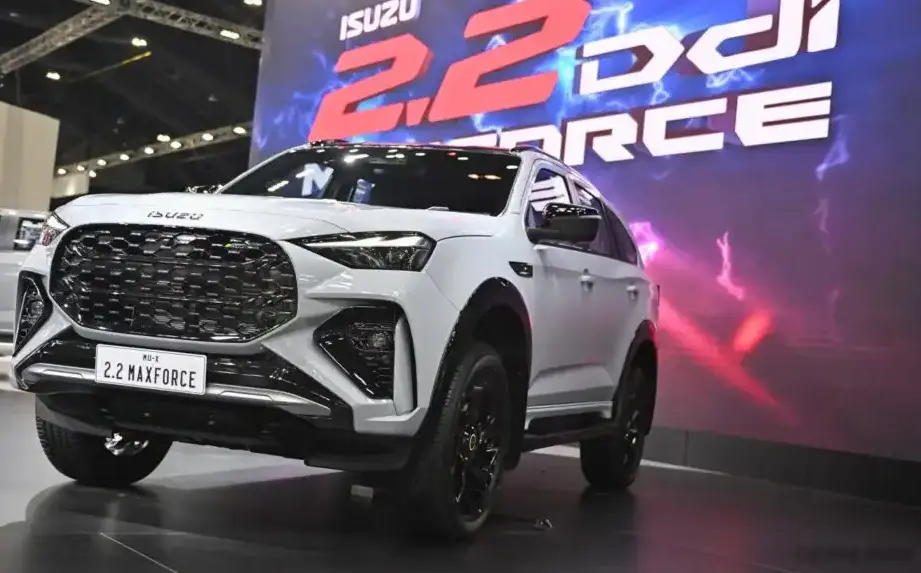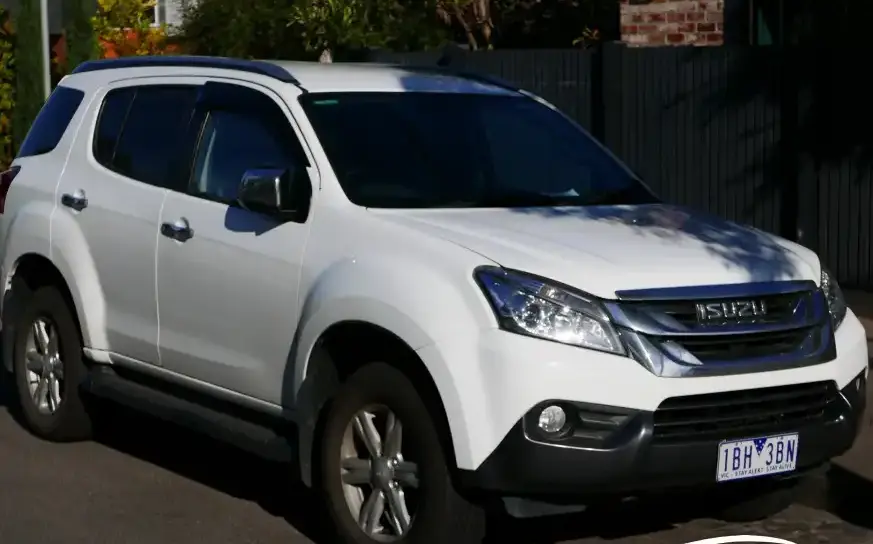
The Isuzu MU-X II 1.9 Ddi (150 Hp) is a diesel-powered sport utility vehicle (SUV) produced by Isuzu from October 2020 to 2024. It represents a key variant within the second generation MU-X lineup, positioned as an entry-level to mid-range offering, particularly in markets outside of North America where the MU-X found its primary customer base. The MU-X II, built on a body-on-frame chassis, aimed to provide a robust and practical seven-seater SUV, competing with vehicles like the Toyota Fortuner and Mitsubishi Pajero Sport. This 1.9-liter diesel variant was designed to balance affordability with acceptable performance and fuel efficiency, making it a popular choice for families and those requiring a capable vehicle for varied terrain.
Technical Specifications
| Brand | Isuzu |
| Model | MU-X |
| Generation | MU-X II |
| Type (Engine) | 1.9 Ddi (150 Hp) |
| Start of production | October, 2020 |
| End of production | 2024 |
| Powertrain Architecture | Internal Combustion engine |
| Body type | SUV |
| Seats | 7 |
| Doors | 5 |
| Fuel Type | Diesel |
| Weight-to-power ratio | 13 kg/Hp, 76.9 Hp/tonne |
| Weight-to-torque ratio | 5.6 kg/Nm, 179.5 Nm/tonne |
| Power | 150 Hp @ 3600 rpm |
| Power per litre | 79 Hp/l |
| Torque | 350 Nm @ 1800-2600 rpm (258.15 lb.-ft. @ 1800-2600 rpm) |
| Engine layout | Front, Longitudinal |
| Engine Model/Code | RZ4E-TC |
| Engine displacement | 1898 cm3 (115.82 cu. in.) |
| Number of cylinders | 4 |
| Engine configuration | Inline |
| Cylinder Bore | 80 mm (3.15 in.) |
| Piston Stroke | 94.4 mm (3.72 in.) |
| Compression ratio | 16.5:1 |
| Number of valves per cylinder | 4 |
| Fuel injection system | Diesel Commonrail |
| Engine aspiration | Turbocharger, Intercooler |
| Valvetrain | DOHC |
| Engine oil capacity | 6.6 l (6.97 US qt | 5.81 UK qt) |
| Coolant | 11.1 l (11.73 US qt | 9.77 UK qt) |
| Kerb Weight | 1950 kg (4299.01 lbs.) |
| Fuel tank capacity | 80 l (21.13 US gal | 17.6 UK gal) |
| Length | 4850 mm (190.94 in.) |
| Width | 1870 mm (73.62 in.) |
| Height | 1825 mm (71.85 in.) |
| Wheelbase | 2855 mm (112.4 in.) |
| Front track | 1570 mm (61.81 in.) |
| Rear (Back) track | 1570 mm (61.81 in.) |
| Ride height (ground clearance) | 235 mm (9.25 in.) |
| Minimum turning circle (turning diameter) | 11.2 m (36.75 ft.) |
| Drivetrain Architecture | Rear wheel drive |
| Number of gears and type of gearbox | 6 gears, manual transmission |
| Front suspension | Double wishbone |
| Rear suspension | Independent multi-link suspension |
| Assisting systems | ABS (Anti-lock braking system) |
| Steering type | Steering rack and pinion |
| Power steering | Electric Steering |
| Tires size | 265/60 R18 |
| Wheel rims size | 7.5J x 18 |
Powertrain & Engine Architecture
The heart of the MU-X II 1.9 Ddi is the RZ4E-TC engine, a 1.9-liter inline-four cylinder diesel. This engine represented a downsized alternative to the larger 2.5-liter and 3.0-liter diesel options available in other MU-X II variants. The RZ4E-TC utilizes a high-pressure common rail direct injection system, delivering fuel directly into the combustion chamber for improved efficiency and reduced emissions. A turbocharger with an intercooler is employed to boost power output, overcoming the limitations of the smaller displacement. The engine features a double overhead camshaft (DOHC) valvetrain with four valves per cylinder, optimizing airflow for enhanced performance. The 6-speed manual transmission was the standard offering for this variant, providing drivers with full control over gear selection. The engine’s longitudinal mounting allowed for a more efficient drivetrain layout, particularly suited for rear-wheel drive applications.
Driving Characteristics
The 150 horsepower and 350 Nm (258 lb-ft) of torque produced by the 1.9-liter engine provided adequate, though not exhilarating, performance for the MU-X II. Compared to the higher-output 2.5-liter and 3.0-liter diesel engines, the 1.9 Ddi offered a more relaxed driving experience, prioritizing fuel economy over outright acceleration. The manual transmission allowed for precise control, but required more driver involvement than the automatic transmissions found in other MU-X trims. The gear ratios were tuned to maximize fuel efficiency and provide sufficient torque for everyday driving and moderate off-road conditions. While capable of handling steep inclines and rough terrain, the 1.9 Ddi variant wasn’t geared towards high-speed performance or towing heavy loads. The power delivery was relatively linear, with peak torque available from 1800-2600 rpm, making it suitable for both urban and highway driving.
Equipment & Trim Levels
The MU-X II 1.9 Ddi typically served as the entry point to the MU-X range. Standard equipment generally included air conditioning, power windows, power door locks, and a basic audio system. Interior upholstery was typically cloth, with a functional and durable design. Safety features such as ABS (Anti-lock Braking System) were standard. Optional extras, depending on the market, could include alloy wheels, a touchscreen infotainment system with Bluetooth connectivity, rear parking sensors, and a reverse camera. Higher trim levels within the MU-X II range offered more luxurious features like leather upholstery, automatic climate control, and advanced safety systems.
Chassis & Braking
The MU-X II utilized a traditional body-on-frame construction, providing a robust and durable platform. The front suspension employed a double wishbone setup, while the rear featured an independent multi-link suspension. This configuration aimed to balance ride comfort with off-road capability. The 1.9 Ddi variant typically featured disc brakes on the front wheels and drum brakes on the rear, a cost-saving measure compared to the all-disc brake setup found on higher-spec models. The steering system was a rack and pinion type with electric power assistance, providing responsive and precise steering control. Stabilizer bars were included on both the front and rear axles to reduce body roll during cornering.
Market Reception & Comparison
The Isuzu MU-X II 1.9 Ddi was generally well-received as a practical and affordable seven-seater SUV. Critics praised its fuel efficiency and durability, but noted that its performance was not as strong as that of its larger-engined siblings. Compared to the 2.5-liter and 3.0-liter diesel variants, the 1.9 Ddi offered lower running costs but compromised on acceleration and towing capacity. Its main appeal lay in its value proposition, offering a capable and reliable SUV at a more accessible price point. In markets where fuel costs were high, the 1.9 Ddi’s improved fuel economy was a significant advantage.
Legacy
The Isuzu MU-X II 1.9 Ddi has proven to be a relatively reliable powertrain in the used car market. The RZ4E-TC engine, while not known for blistering performance, is generally considered durable and capable of handling high mileage with proper maintenance. Common issues reported by owners include turbocharger wear and potential problems with the diesel particulate filter (DPF), particularly in vehicles primarily used for short trips. However, these issues are not unique to the 1.9 Ddi and are common to many modern diesel engines. The MU-X II 1.9 Ddi continues to be a popular choice for those seeking a practical and affordable seven-seater SUV, particularly in regions where Isuzu has a strong brand presence.