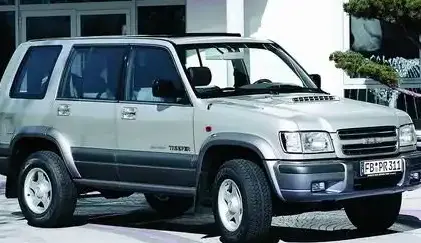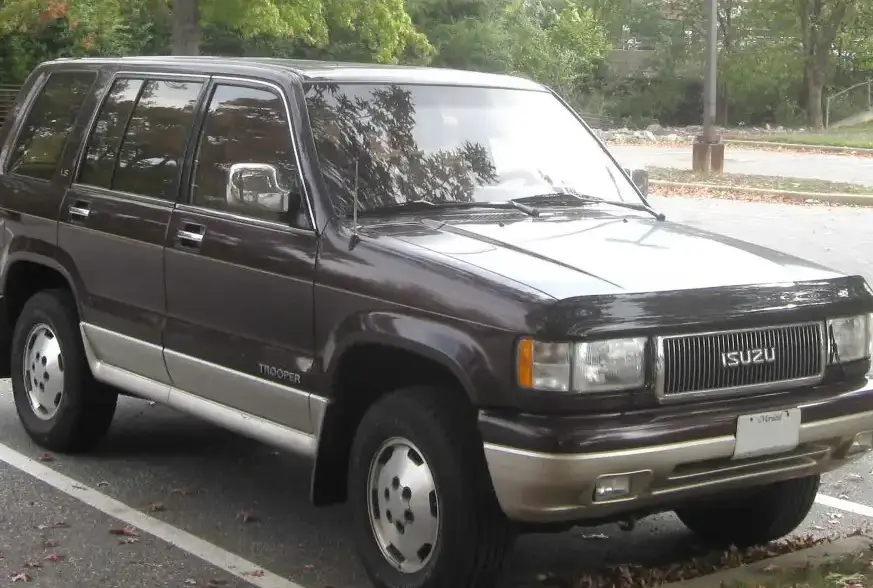
The Isuzu Trooper (LS) 3.2 i V6 24V, produced between 1992 and 1999, represents a significant iteration of Isuzu’s popular SUV. This model, part of the second-generation Trooper lineage (often referred to as the UBS series), was primarily aimed at the North American and European markets, where larger, body-on-frame SUVs were in high demand. The “LS” designation typically indicated a mid-range trim level, offering a balance between affordability and features. It served as a competitor to vehicles like the Toyota Land Cruiser Prado, Mitsubishi Pajero, and Nissan Patrol, offering seven-passenger seating and capable four-wheel drive. This particular variant, equipped with the 3.2-liter V6 engine and a five-speed manual transmission, occupied a sweet spot in the lineup for buyers seeking a blend of power and control.
Technical Specifications
| Brand | Isuzu |
| Model | Trooper |
| Generation | Trooper (LS) |
| Type (Engine) | 3.2 i V6 24V (190 Hp) |
| Start of production | 1992 |
| End of production | 1999 |
| Powertrain Architecture | Internal Combustion engine |
| Body type | SUV |
| Seats | 7 |
| Doors | 5 |
| Fuel consumption (combined) | 14.8 l/100 km (15.9 US mpg, 19.1 UK mpg, 6.8 km/l) |
| Fuel Type | Petrol (Gasoline) |
| Weight-to-power ratio | 10.1 kg/Hp, 99.4 Hp/tonne |
| Weight-to-torque ratio | 7.2 kg/Nm, 138.7 Nm/tonne |
| Power | 190 Hp @ 5600 rpm |
| Power per litre | 60 Hp/l |
| Torque | 265 Nm @ 3800 rpm (195.45 lb.-ft. @ 3800 rpm) |
| Engine layout | Front, Longitudinal |
| Engine Model/Code | 6VD1 |
| Engine displacement | 3165 cm3 (193.14 cu. in.) |
| Number of cylinders | 6 |
| Engine configuration | V-engine |
| Cylinder Bore | 93.4 mm (3.68 in.) |
| Piston Stroke | 77 mm (3.03 in.) |
| Compression ratio | 9.8:1 |
| Number of valves per cylinder | 4 |
| Fuel injection system | Multi-port manifold injection |
| Engine aspiration | Naturally aspirated engine |
| Valvetrain | DOHC |
| Engine oil capacity | 5.3 l (5.6 US qt | 4.66 UK qt) |
| Coolant | 8.8 l (9.3 US qt | 7.74 UK qt) |
| Kerb Weight | 1911 kg (4213.03 lbs.) |
| Max. weight | 2497 kg (5504.94 lbs.) |
| Max load | 586 kg (1291.91 lbs.) |
| Fuel tank capacity | 85 l (22.45 US gal | 18.7 UK gal) |
| Length | 4660 mm (183.46 in.) |
| Width | 1745 mm (68.7 in.) |
| Height | 1850 mm (72.83 in.) |
| Wheelbase | 2760 mm (108.66 in.) |
| Front track | 1445 mm (56.89 in.) |
| Rear (Back) track | 1460 mm (57.48 in.) |
| Drive wheel | All wheel drive (4×4) |
| Number of gears and type of gearbox | 5 gears, manual transmission |
| Front suspension | Double wishbone |
| Rear suspension | Coil spring |
| Front brakes | Ventilated discs |
| Rear brakes | Ventilated discs |
| Assisting systems | ABS (Anti-lock braking system) |
| Power steering | Hydraulic Steering |
| Tires size | 245/70 R16 P |
Powertrain & Engine Architecture
The heart of the Trooper LS 3.2 was the 6VD1 engine, a 3.2-liter (3165 cc) naturally aspirated V6. This engine featured a 90-degree V-angle, contributing to a smoother power delivery. It employed a multi-port fuel injection system, delivering fuel directly to each intake port for improved efficiency and responsiveness. The engine utilized a double overhead camshaft (DOHC) valvetrain with four valves per cylinder, enhancing breathing and overall performance. The 6VD1 was known for its relatively robust construction, though it wasn’t without its quirks, including potential issues with oil leaks from the valve cover gaskets. The five-speed manual transmission provided a direct connection to the engine, allowing drivers to fully utilize the 190 horsepower and 265 Nm (195 lb-ft) of torque. Gear ratios were fairly conventional for the time, prioritizing usability and towing capacity over outright acceleration.
Driving Characteristics
The 3.2-liter V6 and five-speed manual combination offered a noticeable step up in performance compared to the smaller 2.0-liter four-cylinder options available in some markets. While not a sports car, the Trooper LS 3.2 provided adequate acceleration for highway merging and passing maneuvers. The manual transmission allowed for precise control, particularly useful when navigating off-road terrain. The gear ratios were well-suited for towing, making the Trooper a popular choice for those needing to haul trailers or boats. Compared to the later automatic transmission versions, the manual offered a more engaging driving experience and slightly improved fuel economy. However, it did require more driver involvement, especially in stop-and-go traffic.
Equipment & Trim Levels
The Trooper LS trim generally included features such as air conditioning, power windows and locks, and a basic audio system. Upholstery was typically cloth, though leather was available as an option. The dashboard layout was functional and straightforward, prioritizing usability over aesthetics. Optional extras included a sunroof, upgraded audio systems, and alloy wheels. The LS trim represented a middle ground, offering a good balance of features and affordability. Higher trim levels, such as the Limited, added more luxury features like leather seats, woodgrain trim, and premium audio systems.
Chassis & Braking
The Trooper LS utilized a traditional body-on-frame construction, providing a robust and durable platform. Suspension consisted of double wishbones at the front and a coil spring setup at the rear. This configuration offered a reasonable compromise between ride comfort and off-road capability. Braking duties were handled by ventilated discs on all four wheels, providing adequate stopping power. An anti-lock braking system (ABS) was standard, enhancing safety. The Trooper’s relatively heavy weight (around 1911 kg or 4213 lbs) meant that braking performance wasn’t exceptional by modern standards, but it was sufficient for typical driving conditions.
Market Reception & Comparison
The Isuzu Trooper LS 3.2 V6 was generally well-received by automotive critics. It was praised for its spacious interior, capable four-wheel drive system, and relatively powerful engine. However, some reviewers noted its somewhat dated styling and less-than-stellar fuel economy (around 15.9 US mpg combined). Compared to the smaller-engined Troopers, the 3.2-liter V6 offered a significant performance boost, but at the cost of increased fuel consumption. The manual transmission version was favored by enthusiasts for its more engaging driving experience. Reliability was generally good, though some owners reported issues with the engine’s oil leaks and the occasional electrical gremlin.
Legacy
The Isuzu Trooper, particularly the second-generation models like the LS 3.2, have developed a loyal following among off-road enthusiasts and those seeking a durable, reliable SUV. The 6VD1 engine, while not known for its cutting-edge technology, proved to be reasonably durable with proper maintenance. Today, well-maintained examples of the Trooper LS 3.2 can still be found on the used car market, often at affordable prices. However, potential buyers should be aware of the potential for oil leaks and other age-related issues. The Trooper’s robust construction and capable four-wheel drive system continue to make it a viable option for those seeking a rugged and dependable SUV.