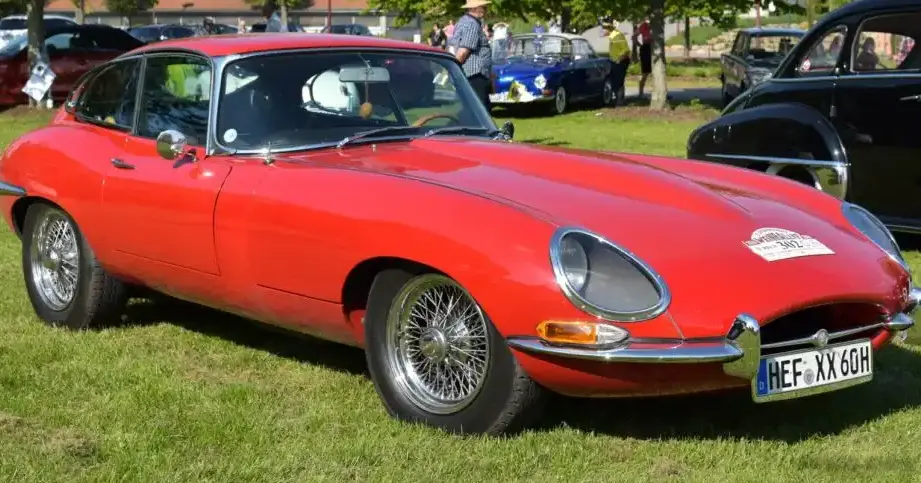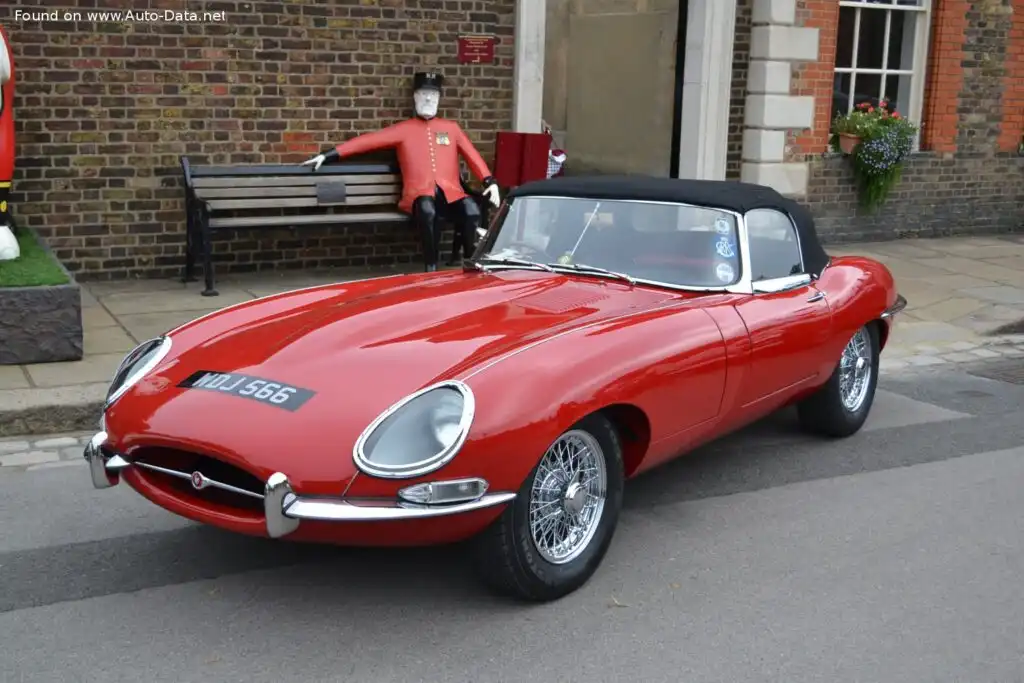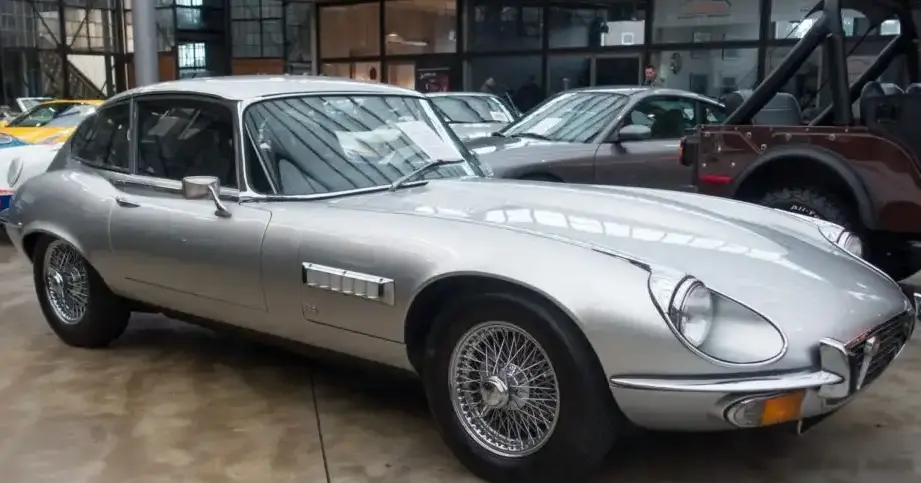
The Jaguar E-type 2+2 4.2 Series 3, produced between 1971 and 1975, represents a significant evolution of the iconic E-type lineage. While the earlier Series 1 and 2 models are celebrated for their purity of design, the Series 3, particularly the 2+2 variant, aimed for a blend of grand touring comfort and accessibility. This model broadened the E-type’s appeal, offering a more practical, four-seat configuration alongside the classic Jaguar styling. The 4.2-liter engine, producing 173 horsepower in US specification, positioned the 2+2 as a comfortable, capable, but not overtly sporty, iteration of the E-type, aimed at buyers prioritizing luxury and space over outright performance. It was the final major iteration of the E-type before production ceased in 1975.
Technical Specifications
| Brand | Jaguar |
| Model | E-type |
| Generation | E-type 2+2 |
| Type (Engine) | 4.2 (Series 3) (173 Hp) |
| Start of Production | 1971 |
| End of Production | 1975 |
| Powertrain Architecture | Internal Combustion Engine |
| Body Type | Coupe |
| Seats | 4 |
| Doors | 2 |
| Fuel Type | Petrol (Gasoline) |
| Power | 173 Hp |
| Engine Aspiration | Naturally Aspirated |
| Drivetrain | Rear Wheel Drive |
Powertrain & Engine Architecture
The heart of the E-type 2+2 4.2 Series 3 is the Jaguar XK engine, specifically the 4.2-liter version. While sharing the basic architecture with earlier XK engines, the Series 3 version incorporated several changes. It featured a revised cylinder head design with larger intake ports and improved combustion chambers, contributing to increased torque. The engine utilized a cast iron block and an aluminum cylinder head. Fuel delivery was managed by three SU carburetors, a configuration retained from previous iterations, though with slight adjustments for emissions compliance in the US market. The engine produced 173 horsepower at 5,400 rpm and 232 lb-ft of torque at 3,600 rpm. The engine code is typically identified as XK6. The transmission was a three-speed automatic, a Borg-Warner Type 35 unit, chosen to enhance the car’s grand touring character and ease of use. This automatic transmission was a key differentiator from the available four-speed manual option, and significantly altered the driving experience. The Borg-Warner Type 35 was known for its smoothness, but also for its relative complexity and potential for maintenance issues as it aged. It featured a torque converter for smooth launches and a selector mechanism offering Park, Neutral, Drive, and Low ranges.
Driving Characteristics
The E-type 2+2 4.2 with the automatic transmission offered a distinctly different driving experience compared to its manual counterparts or the earlier, more focused Series 1 and 2 models. The automatic gearbox, while providing smooth shifts, did detract from the sense of direct control. Acceleration was respectable, with a 0-60 mph time of around 8.5 seconds, but noticeably slower than the manual versions. The gear ratios were optimized for cruising comfort rather than outright performance. The 2+2’s increased weight, due to the longer wheelbase and added bodywork, also contributed to a less agile feel. However, the car excelled as a comfortable long-distance cruiser, with the automatic transmission reducing driver fatigue. The suspension, while retaining the independent front and rear setup of earlier E-types, was tuned for a softer ride, prioritizing comfort over sharp handling. The power steering, standard on the Series 3, further enhanced ease of driving, particularly at low speeds. The steering ratio was slightly slower than on earlier models, contributing to the more relaxed driving experience. The automatic transmission’s shift points were relatively conservative, prioritizing fuel economy and smoothness over aggressive acceleration.
Equipment & Trim Levels
The E-type 2+2 4.2 Series 3 was relatively well-equipped for its time, though options allowed for further customization. Standard features included leather upholstery, a wood-veneered dashboard, and electric windows. Air conditioning was a popular option, becoming increasingly common as the model progressed. The interior layout was designed to accommodate four passengers, though rear seat space was somewhat limited, best suited for shorter journeys or smaller adults. The dashboard featured a comprehensive array of gauges, including a speedometer, tachometer, fuel gauge, oil pressure gauge, and coolant temperature gauge. Trim levels were relatively simple, with the primary differentiation being the choice of exterior and interior colors. Options included a sunroof, a radio, and upgraded sound systems. The 2+2 generally featured a more luxurious interior trim than the standard E-type coupe, with thicker carpeting and more extensive wood trim. A factory-fitted radio was often a Philips unit, and upgrades to more modern systems were common.
Chassis & Braking
The E-type 2+2 Series 3 utilized a monocoque steel chassis, providing a strong and relatively lightweight structure. The suspension consisted of independent double wishbones at the front and independent rear suspension with trailing arms. The rear suspension differed slightly from earlier E-types, incorporating a Watts linkage to improve stability. Braking was provided by disc brakes all around, though the rear discs were smaller in diameter than those at the front. Power-assisted steering was standard, making the car easier to maneuver at low speeds. The 2+2’s longer wheelbase (96 inches compared to the coupe’s 93.8 inches) contributed to a more stable ride, but also increased the car’s overall weight. The tires were typically Dunlop E3 radials, providing a good balance of grip and comfort. The braking system was hydraulically operated, with a dual-circuit master cylinder for increased safety. The front suspension featured anti-roll bar to reduce body roll during cornering.
Market Reception & Comparison
The E-type 2+2 4.2 Series 3 received a mixed reception from critics. While the car was praised for its comfort and practicality, some lamented the loss of the original E-type’s sporting character. The automatic transmission was a point of contention, with some reviewers preferring the engagement of the manual gearbox. Compared to the manual versions, the automatic 2+2 offered slightly lower fuel economy, averaging around 14-16 mpg. Reliability was generally good, though the SU carburetors could require periodic adjustment. Compared to the earlier Series 1 and 2 models, the 2+2 was seen as a more accessible and user-friendly E-type, appealing to a broader range of buyers. It also offered a more competitive alternative to other grand touring cars of the era, such as the Mercedes-Benz SL and the Porsche 911. The 2+2 was often seen as a more practical alternative to the standard E-type coupe, offering more space for passengers and luggage. However, it lacked the same level of sporting prowess as its two-seater sibling.
Legacy
The Jaguar E-type 2+2 4.2 Series 3 represents the final chapter in the E-type story. While not as highly regarded by purists as the earlier Series 1 and 2 models, it remains a desirable classic car, particularly for those seeking a comfortable and stylish grand tourer. The 4.2-liter engine and automatic transmission combination, while not the most performance-oriented setup, has proven to be relatively reliable over the long term. Today, the 2+2 commands a lower price than the earlier coupes, making it a more accessible entry point into E-type ownership. However, well-maintained examples are increasingly sought after by collectors and enthusiasts, recognizing the car’s unique place in the E-type lineage and its embodiment of 1970s British luxury. The availability of parts remains good, and a thriving community of E-type owners and specialists ensures that these cars can be kept on the road for years to come. The 2+2’s practicality and comfort have contributed to its enduring appeal, making it a popular choice for classic car rallies and touring events.