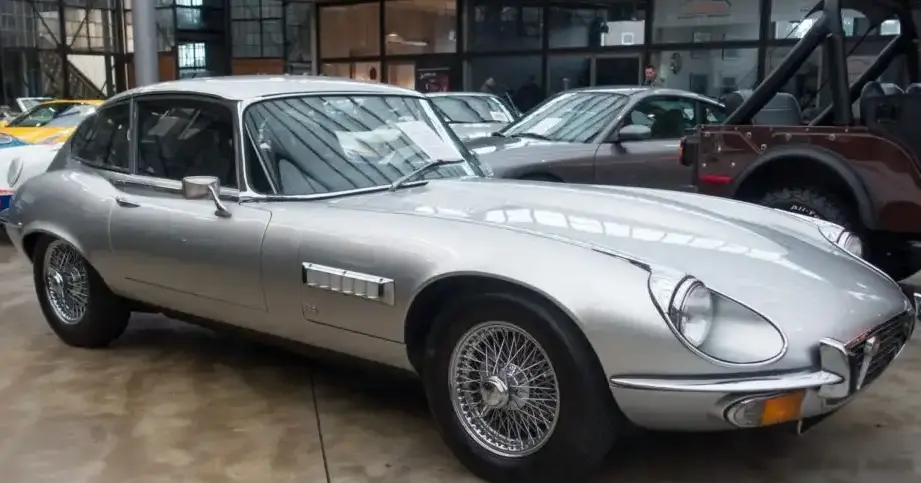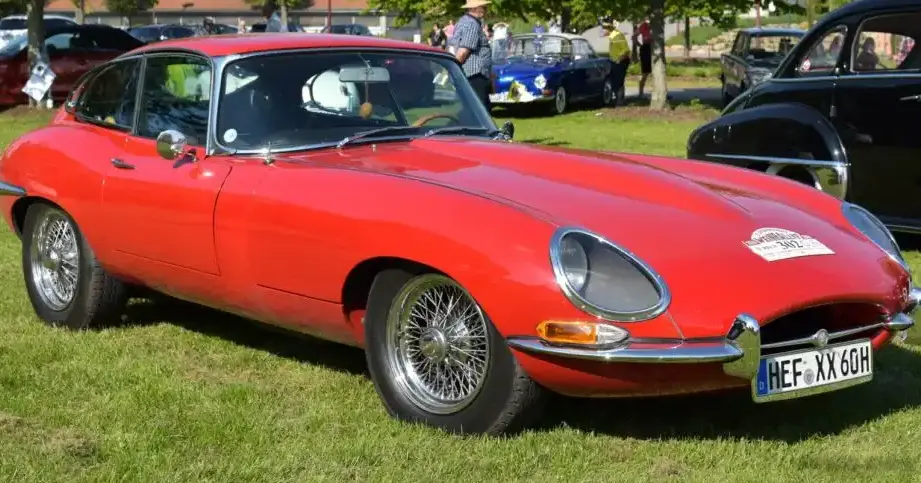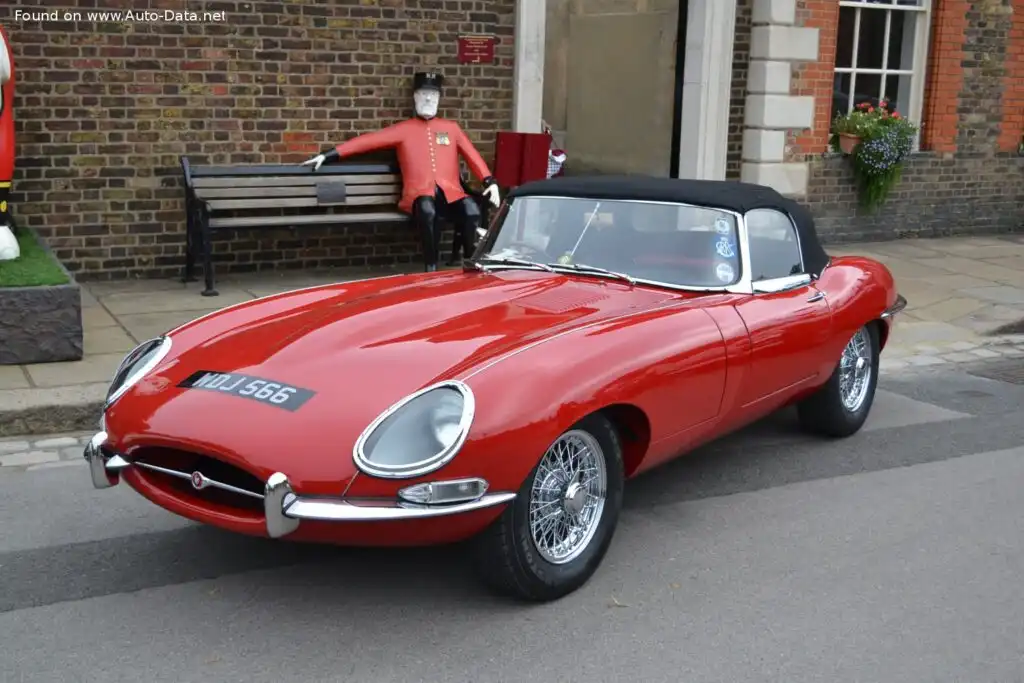
The Jaguar E-type Series 2 4.2 Convertible, produced between 1968 and 1971, represents a significant evolution of the iconic E-type lineage. Following the initial Series 1, the Series 2 brought about styling and mechanical updates intended to meet increasingly stringent safety and emissions regulations, particularly in the crucial North American market. While retaining the fundamental beauty and performance characteristics that defined the E-type, the Series 2 4.2 Convertible offered a slightly more refined and user-friendly experience, solidifying its place as a desirable classic among collectors and enthusiasts. It sat at the top of the E-type convertible range during its production run, offering the largest engine displacement and highest power output available in the open-top variant.
Technical Specifications
| Brand | Jaguar |
| Model | E-type |
| Generation | E-type Convertible |
| Type (Engine) | 4.2 (Series 2) (269 Hp) |
| Start of Production | 1968 |
| End of Production | 1971 |
| Powertrain Architecture | Internal Combustion Engine |
| Body Type | Cabriolet |
| Seats | 2 |
| Doors | 2 |
| Fuel Type | Petrol (Gasoline) |
| Power | 269 Hp |
| Engine Aspiration | Naturally Aspirated |
| Drivetrain | Rear Wheel Drive |
Powertrain & Engine Architecture
The heart of the Series 2 4.2 Convertible is the Jaguar XK engine, specifically the 4.2-liter version. This engine, designated XK7, was a significant upgrade over the earlier 3.8-liter unit. It featured a larger bore and stroke, increasing displacement from 3,781 cc to 4,235 cc. The engine retained the same basic architecture – a DOHC inline-six cylinder configuration with aluminum cylinder heads and a cast iron block. Fuel delivery was handled by three SU HD8 carburetors, a departure from the earlier Series 1’s triple SU’s, though the carburetors were recalibrated for the larger displacement. The engine produced 269 horsepower at 5,400 rpm and 283 lb-ft of torque at 3,400 rpm. The engine’s robust bottom end and well-designed cooling system contributed to its reliability, although proper maintenance was crucial. The transmission was a four-speed manual, available as standard, or a three-speed automatic, a popular option for buyers prioritizing comfort and ease of driving. The automatic transmission, a Borg-Warner Type 12, was known for its smooth operation but wasn’t as performance-oriented as the manual.
Driving Characteristics
The Series 2 4.2 Convertible offered a compelling blend of performance and grand touring comfort. With 269 horsepower on tap, the car could accelerate from 0 to 60 mph in approximately 6.4 seconds and achieve a top speed of around 143 mph. The automatic transmission, while providing effortless cruising, did slightly diminish acceleration times compared to the manual version. Gear ratios were optimized for both acceleration and highway cruising, making it a capable long-distance machine. The independent front suspension, utilizing double wishbones and torsion bars, provided excellent handling and ride quality. The rear suspension, featuring a live axle with semi-elliptic leaf springs, was less sophisticated but still effective in maintaining stability. The steering, though unassisted in most examples, offered good feedback and precision. The overall driving experience was characterized by a smooth, powerful engine, responsive handling, and a comfortable, albeit somewhat cramped, cabin.
Equipment & Trim Levels
The Series 2 4.2 Convertible was relatively well-equipped for its time, though options allowed for a significant degree of personalization. Standard features included leather upholstery, a wood-rimmed steering wheel, and a comprehensive instrument panel with gauges for speed, tachometer, oil pressure, coolant temperature, and fuel level. A collapsible steering column was introduced to meet US safety regulations. Optional extras included power steering, air conditioning, a radio, and wire wheels. Interior trim options included various leather colors and wood veneer finishes. The Series 2 also featured a distinctive, larger grille and redesigned taillights compared to the Series 1, contributing to a more modern aesthetic. The hood scoop, initially present on the Series 1, was retained but became more integrated into the bonnet design.
Chassis & Braking
The E-type Series 2 Convertible utilized a monocoque steel chassis, providing a strong and relatively lightweight platform. The front suspension employed double wishbones, torsion bars, and telescopic shock absorbers, offering a comfortable and controlled ride. The rear suspension consisted of a live axle with semi-elliptic leaf springs and telescopic shock absorbers. Braking was initially accomplished with Dunlop disc brakes all around, though some early Series 2 models retained drum brakes on the rear. Later models featured fully disc brakes, providing superior stopping power. Power-assisted braking was available as an option. The steering was a rack and pinion system, offering precise control, though it lacked power assistance in most examples. Wheel sizes were typically 15 inches, with options for wire wheels or steel disc wheels.
Market Reception & Comparison
The Jaguar E-type Series 2 4.2 Convertible was generally well-received by critics and the public. While some purists lamented the styling changes compared to the Series 1, the Series 2 was praised for its improved refinement, usability, and performance. The larger engine provided a noticeable increase in power and torque, making it a more capable grand tourer. Compared to the 3.8-liter Series 1, the 4.2-liter Series 2 offered a more relaxed driving experience, particularly with the automatic transmission. Fuel economy, however, remained relatively poor, averaging around 13-17 mpg. Reliability was generally good, but proper maintenance was essential to prevent issues with the carburetors, cooling system, and electrical components. The Series 2 4.2 Convertible was positioned as the premium E-type convertible, commanding a higher price than earlier models.
Legacy
The Jaguar E-type Series 2 4.2 Convertible remains a highly sought-after classic car today. Its enduring appeal lies in its stunning design, exhilarating performance, and historical significance. The 4.2-liter engine is considered by many to be the sweet spot in the E-type lineup, offering a good balance of power, reliability, and drivability. While maintenance can be costly, the E-type’s robust construction and readily available parts supply ensure that it can be enjoyed for years to come. Values for well-maintained Series 2 4.2 Convertibles have steadily increased in recent years, reflecting their growing desirability among collectors. The car continues to be celebrated as a symbol of British automotive engineering and design, and a testament to the enduring legacy of the Jaguar E-type.