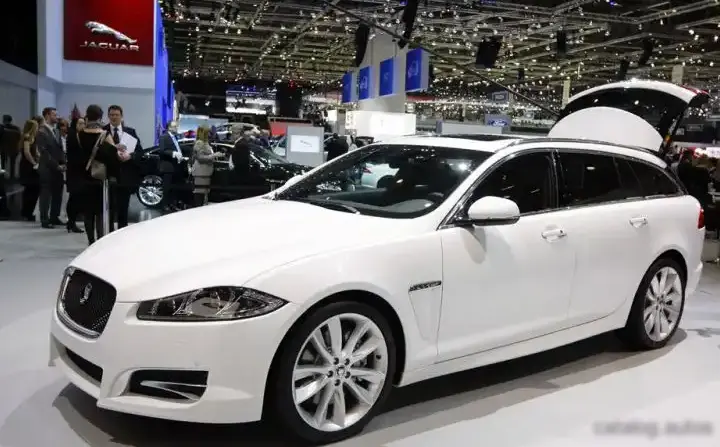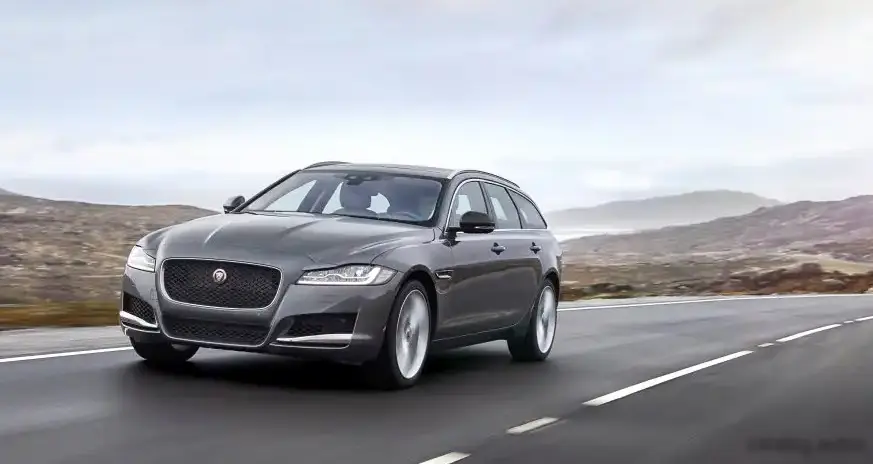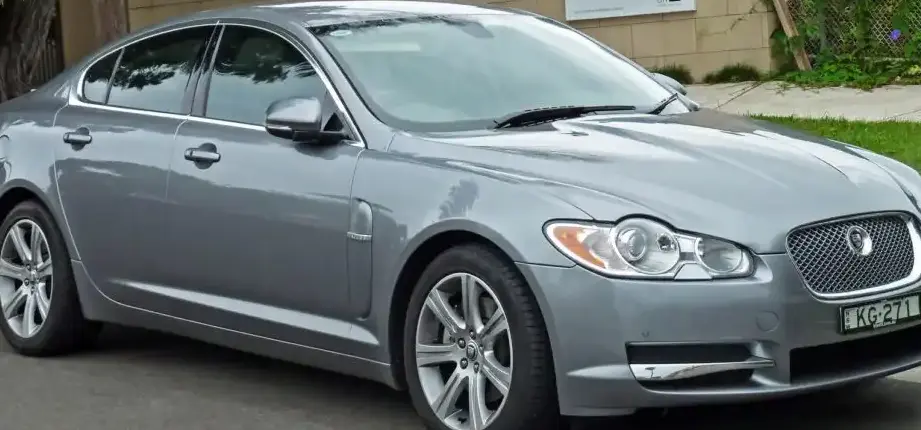
The Jaguar XF (X250) 3.0 V6 Automatic, produced between 2007 and 2011, represented a significant departure for Jaguar, moving the brand into a more contemporary and competitive segment. This variant, powered by the AJ6WG engine, occupied a mid-to-upper position within the XF lineup, offering a balance of performance and luxury. It was positioned above the 2.7L diesel and 4.2L V8 models, appealing to buyers seeking a refined driving experience with strong acceleration without the higher price tag of the flagship engine. The X250 generation was Jaguar’s first attempt at a direct competitor to the BMW 5 Series and Mercedes-Benz E-Class, and the 3.0L V6 played a crucial role in establishing the XF’s presence in the executive car market.
Technical Specifications
| Brand | Jaguar |
| Model | XF |
| Generation | XF (X250) |
| Type (Engine) | 3.0 V6 (238 Hp) Automatic |
| Start of production | 2007 |
| End of production | 2011 |
| Powertrain Architecture | Internal Combustion engine |
| Body type | Sedan |
| Seats | 5 |
| Doors | 4 |
| Fuel consumption (urban) | 15.8 l/100 km (14.9 US mpg, 17.9 UK mpg, 6.3 km/l) |
| Fuel consumption (extra urban) | 7.5 l/100 km (31.4 US mpg, 37.7 UK mpg, 13.3 km/l) |
| Fuel consumption (combined) | 10.5 l/100 km (22.4 US mpg, 26.9 UK mpg, 9.5 km/l) |
| Fuel Type | Petrol (Gasoline) |
| Acceleration 0 – 100 km/h | 8.3 sec |
| Acceleration 0 – 62 mph | 8.3 sec |
| Acceleration 0 – 60 mph | 7.9 sec |
| Maximum speed | 237 km/h (147.26 mph) |
| Emission standard | Euro 4 |
| Weight-to-power ratio | 7.1 kg/Hp, 141.8 Hp/tonne |
| Weight-to-torque ratio | 5.7 kg/Nm, 174.5 Nm/tonne |
| Power | 238 Hp @ 6800 rpm |
| Power per litre | 80.2 Hp/l |
| Torque | 293 Nm @ 4500 rpm (216.11 lb.-ft. @ 4500 rpm) |
| Engine layout | Front, Longitudinal |
| Engine Model/Code | AJ6WG |
| Engine displacement | 2967 cm3 (181.06 cu. in.) |
| Number of cylinders | 6 |
| Engine configuration | V-engine |
| Cylinder Bore | 89 mm (3.5 in.) |
| Piston Stroke | 79.5 mm (3.13 in.) |
| Compression ratio | 10.5:1 |
| Number of valves per cylinder | 4 |
| Fuel injection system | Multi-port manifold injection |
| Engine aspiration | Naturally aspirated engine |
| Valvetrain | DOHC |
| Engine oil capacity | 6.5 l (6.87 US qt | 5.72 UK qt) |
| Coolant capacity | 9.25 l (9.77 US qt | 8.14 UK qt) |
| Kerb Weight | 1679 kg (3701.56 lbs.) |
| Max. weight | 2215 kg (4883.24 lbs.) |
| Max load | 536 kg (1181.68 lbs.) |
| Trunk (boot) space – minimum | 540 l (19.07 cu. ft.) |
| Fuel tank capacity | 69.5 l (18.36 US gal | 15.29 UK gal) |
| Length | 4961 mm (195.31 in.) |
| Width | 1877 mm (73.9 in.) |
| Height | 1460 mm (57.48 in.) |
| Wheelbase | 2909 mm (114.53 in.) |
| Front track | 1559 mm (61.38 in.) |
| Rear (Back) track | 1571 mm (61.85 in.) |
| Drivetrain Architecture | Rear wheel drive |
| Number of gears and type of gearbox | 6 gears, automatic transmission |
| Assisting systems | ABS (Anti-lock braking system) |
| Tires size | 235/50R17 |
| Wheel rims size | 7.5×17 |
Powertrain & Engine Architecture
The heart of the XF 3.0 V6 Automatic is the AJ6WG engine, a naturally aspirated 3.0-liter V6. This engine is part of Jaguar’s AJ-V6 family, known for its smooth operation and relatively high power output. The AJ6WG utilizes a 60-degree V-angle, contributing to its balance and refinement. It features multi-port fuel injection and a double overhead camshaft (DOHC) valvetrain with four valves per cylinder. The engine’s 238 horsepower at 6800 rpm and 293 Nm (216 lb-ft) of torque at 4500 rpm provided brisk acceleration. The engine is longitudinally mounted, driving the rear wheels. The transmission is a six-speed automatic gearbox, designed to provide smooth shifts and enhance the overall driving experience. This transmission wasn’t a particularly advanced unit compared to some competitors, but it was reliable and well-matched to the engine’s characteristics.
Driving Characteristics
The 3.0 V6 Automatic XF offered a comfortable and engaging driving experience. While not as overtly sporty as the supercharged variants, the 238 hp engine provided ample power for everyday driving and confident overtaking. The automatic transmission, while smooth, wasn’t particularly quick to downshift, meaning the engine sometimes felt slightly strained when demanding immediate acceleration. The gear ratios were tuned for a balance of fuel economy and performance. Compared to the 4.2L V8, the 3.0L felt less muscular but more manageable, and offered better fuel efficiency. Against the diesel models, the 3.0L V6 provided a more refined and responsive feel, albeit with higher fuel consumption.
Equipment & Trim Levels
The XF 3.0 V6 Automatic typically came well-equipped, reflecting Jaguar’s focus on luxury. Standard features included leather upholstery, automatic climate control, a premium audio system, and parking sensors. The XF’s signature ‘Rising Ball’ gear selector was a distinctive feature. Optional extras included heated seats, a panoramic sunroof, upgraded audio systems, and advanced navigation systems. Trim levels varied slightly depending on the market, but generally offered increasing levels of luxury and technology. The interior design was a significant step forward for Jaguar, offering a modern and sophisticated ambiance.
Chassis & Braking
The XF (X250) utilized a sophisticated chassis design, featuring independent suspension all around. The front suspension employed double wishbones, while the rear used a multi-link setup. This configuration provided a comfortable ride and good handling characteristics. The 3.0 V6 models typically featured disc brakes on all four wheels, with ABS (Anti-lock Braking System) as standard. The braking system was generally effective, providing confident stopping power. Stabilizer bars were fitted front and rear to reduce body roll during cornering. The suspension tuning was geared towards comfort, but still offered a reasonable level of control.
Market Reception & Comparison
The Jaguar XF 3.0 V6 Automatic was generally well-received by automotive critics. It was praised for its stylish design, comfortable interior, and refined driving experience. However, some reviewers noted that the automatic transmission could be slow to respond and that the fuel economy wasn’t class-leading. Compared to its German rivals, the XF offered a more distinctive character and a more luxurious feel, but it sometimes lacked the technological sophistication of the BMW 5 Series or the Mercedes-Benz E-Class. Fuel economy figures of around 22.4 US mpg combined were respectable for the time, but not exceptional. Reliability was generally good, although some owners reported minor electrical issues.
Legacy
The Jaguar XF (X250) 3.0 V6 Automatic remains a desirable used car today, offering a blend of luxury, performance, and style. The AJ6WG engine is known for its durability, provided it has been properly maintained. While not as sought-after as the supercharged models, the 3.0L V6 offers a more affordable entry point into XF ownership. Common maintenance items include regular oil changes, coolant flushes, and inspection of the timing chain. The XF’s impact on Jaguar’s brand image was significant, helping to modernize the company and attract a new generation of buyers. It laid the foundation for the subsequent XF generations and cemented Jaguar’s position as a serious contender in the executive car segment.