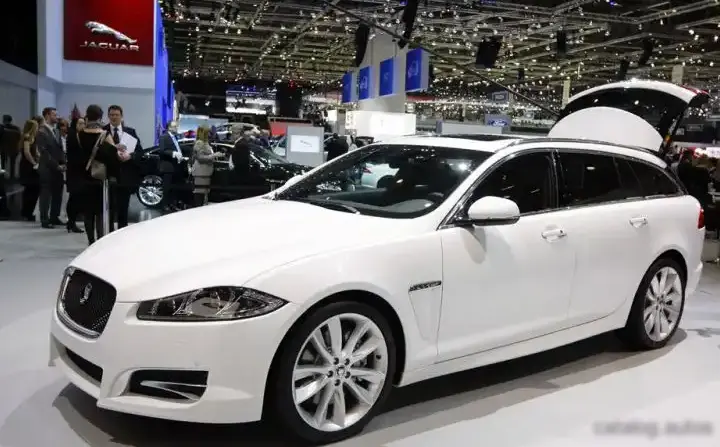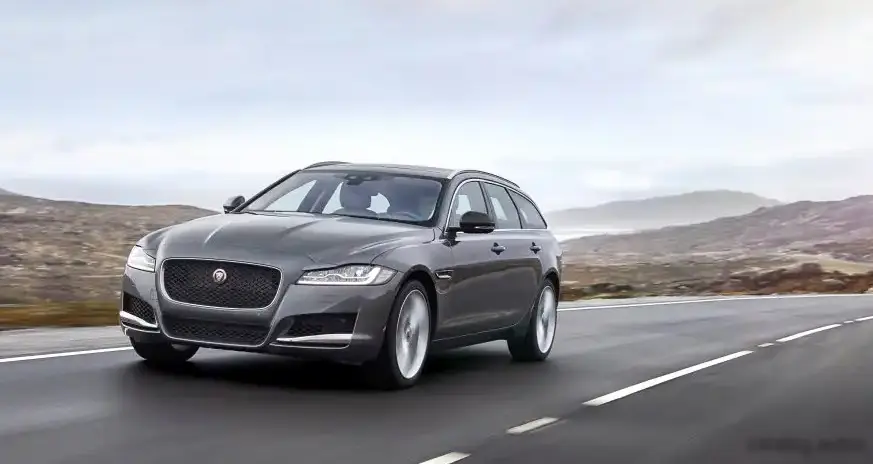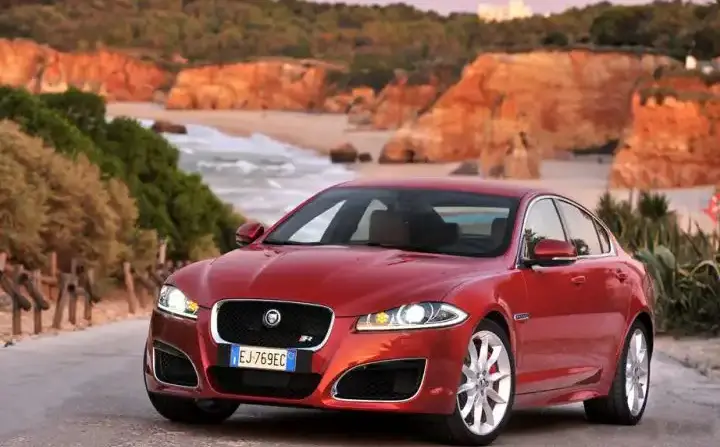
The Jaguar XF (X250) facelift 2.2d Automatic, produced from 2012 to 2015, represented a key entry point into the second-generation XF lineup. Positioned as a more fuel-efficient alternative to the higher-powered gasoline variants, this model aimed to broaden the XF’s appeal, particularly in European markets where diesel engines held significant market share. The facelift, introduced in 2011, brought revised styling and updated technology to the XF range, and the 2.2d Automatic benefited from these improvements. It served as a comfortable and refined executive sedan, prioritizing fuel economy and relaxed cruising over outright performance.
Technical Specifications
| Brand | Jaguar |
| Model | XF |
| Generation | XF (X250, facelift 2011) |
| Type (Engine) | 2.2d (163 Hp) Automatic |
| Start of production | 2012 |
| End of production | 2015 |
| Powertrain Architecture | Internal Combustion engine |
| Body type | Sedan |
| Seats | 5 |
| Doors | 4 |
| Fuel consumption (urban) | 5.8 l/100 km (40.6 US mpg, 48.7 UK mpg, 17.2 km/l) |
| Fuel consumption (extra urban) | 4.4 l/100 km (53.5 US mpg, 64.2 UK mpg, 22.7 km/l) |
| Fuel consumption (combined) | 4.9-5.1 l/100 km (48 – 46.1 US mpg, 57.6 – 55.4 UK mpg, 20.4 – 19.6 km/l) |
| CO2 emissions | 129-135 g/km |
| Fuel Type | Diesel |
| Acceleration 0 – 100 km/h | 10.5 sec |
| Acceleration 0 – 62 mph | 10.5 sec |
| Acceleration 0 – 60 mph | 10 sec |
| Maximum speed | 209 km/h (129.87 mph) |
| Weight-to-power ratio | 10.6 kg/Hp, 93.9 Hp/tonne |
| Weight-to-torque ratio | 4.3 kg/Nm, 230.5 Nm/tonne |
| Power | 163 Hp @ 3500 rpm |
| Power per litre | 74.8 Hp/l |
| Torque | 400 Nm @ 2000 rpm (295.02 lb.-ft. @ 2000 rpm) |
| Engine layout | Front, Longitudinal |
| Engine Model/Code | 224DT |
| Engine displacement | 2179 cm3 (132.97 cu. in.) |
| Number of cylinders | 4 |
| Engine configuration | Inline |
| Fuel injection system | Diesel Commonrail |
| Engine aspiration | Turbocharger, Intercooler |
| Engine oil capacity | 5.9 l (6.23 US qt | 5.19 UK qt) |
| Coolant capacity | 11.5 l (12.15 US qt | 10.12 UK qt) |
| Kerb Weight | 1735 kg (3825.02 lbs.) |
| Max. weight | 2320 kg (5114.72 lbs.) |
| Max load | 585 kg (1289.7 lbs.) |
| Trunk (boot) space – minimum | 540 l (19.07 cu. ft.) |
| Trunk (boot) space – maximum | 963 l (34.01 cu. ft.) |
| Fuel tank capacity | 70.1 l (18.52 US gal | 15.42 UK gal) |
| Length | 4961 mm (195.31 in.) |
| Width | 1939 mm (76.34 in.) |
| Width including mirrors | 2077 mm (81.77 in.) |
| Height | 1468 mm (57.8 in.) |
| Wheelbase | 2909 mm (114.53 in.) |
| Front track | 1559 mm (61.38 in.) |
| Rear (Back) track | 1605 mm (63.19 in.) |
| Minimum turning circle | 11.5 m (37.73 ft.) |
| Drivetrain Architecture | Rear wheel drive |
| Drive wheel | Rear wheel drive |
| Number of gears | 8 |
| Gearbox type | Automatic transmission |
| Front brakes | Ventilated discs |
| Rear brakes | Ventilated discs |
| Assisting systems | ABS (Anti-lock braking system) |
| Steering type | Steering rack and pinion |
| Wheel rims size | 7.5J x 17; 8.5J x 18; 8.5J x 19; 8.5J x 20 |
INTRODUCTION
The Jaguar XF (X250) 2.2d Automatic, launched in 2012 following the facelift of the X250 generation, was a crucial model for Jaguar. The XF, initially introduced in 2008, aimed to modernize Jaguar’s image and compete with established German rivals like the BMW 5 Series and Mercedes-Benz E-Class. The 2.2d variant, powered by a four-cylinder diesel engine, offered a more economical option within the XF range. It was designed to appeal to buyers prioritizing fuel efficiency and lower running costs without sacrificing the luxury and refinement associated with the Jaguar brand. This model was particularly popular in Europe, where diesel engines were favored due to government incentives and lower fuel taxes.
Powertrain & Engine Architecture
At the heart of the XF 2.2d Automatic lies the 224DT engine, a 2.2-liter inline-four cylinder diesel. This engine, developed in collaboration with PSA Peugeot Citroën, utilizes a common rail direct injection system, delivering fuel at extremely high pressure for optimized combustion. The engine is turbocharged and intercooled, enhancing power and torque output. The 224DT engine produces 163 horsepower at 3500 rpm and a substantial 400 Nm (295 lb-ft) of torque at just 2000 rpm. This torque peak, available at relatively low engine speeds, contributes to strong mid-range acceleration and effortless cruising. The engine features a variable geometry turbocharger (VGT) which adjusts the turbine vanes to optimize boost pressure across the engine’s operating range.
The engine is mated to an eight-speed automatic transmission, manufactured by ZF. This transmission, known for its smooth and responsive shifts, contributes significantly to the car’s refined driving experience. The eight forward gears allow for a wider range of ratios, optimizing fuel efficiency and performance. The transmission features a ‘Sport’ mode, which holds gears for longer, providing more aggressive acceleration. The transmission is electronically controlled, adapting shift points based on driving style and road conditions.
Driving Characteristics
The XF 2.2d Automatic delivers a comfortable and refined driving experience. While not as dynamically engaging as the higher-powered XF variants, it offers ample performance for everyday driving. Acceleration from 0 to 60 mph takes around 10 seconds, and the car feels responsive in most situations. The abundance of low-end torque from the diesel engine makes overtaking easy and effortless. The eight-speed automatic transmission contributes to smooth and seamless gear changes, enhancing the overall driving experience. Compared to the 3.0-liter V6 gasoline models, the 2.2d Automatic prioritizes fuel economy over outright performance. The V6 offered significantly more power and a more sporting driving experience, but at the cost of increased fuel consumption. The 2.2d Automatic’s focus on torque delivery makes it a relaxed and easy car to drive, particularly on long journeys.
Equipment & Trim Levels
The XF 2.2d Automatic typically came well-equipped, reflecting Jaguar’s commitment to luxury. Standard features included leather upholstery, dual-zone climate control, a touchscreen infotainment system, and parking sensors. Higher trim levels, such as Portfolio and Premium, added features like heated seats, a panoramic sunroof, and upgraded audio systems. Optional extras included adaptive cruise control, blind spot monitoring, and a rear-seat entertainment system. Interior trim options varied, with choices of wood veneers and aluminum accents. The dashboard layout was characterized by its elegant design and high-quality materials.
Chassis & Braking
The XF 2.2d Automatic utilizes a sophisticated chassis design, featuring independent suspension all around. The front suspension employs double wishbones, while the rear suspension utilizes a multi-link setup. This configuration provides a comfortable ride and good handling characteristics. The car is equipped with ventilated disc brakes on all four wheels, providing ample stopping power. Anti-lock Braking System (ABS) and Electronic Stability Control (ESC) are standard safety features. The steering is a power-assisted rack and pinion system, offering precise and responsive control. Wheel sizes ranged from 17 to 20 inches, depending on the trim level.
Market Reception & Comparison
The XF 2.2d Automatic was generally well-received by automotive critics. It was praised for its fuel efficiency, comfortable ride, and refined interior. However, some critics noted that the four-cylinder diesel engine lacked the refinement and performance of the six-cylinder gasoline engines. Compared to its rivals, such as the BMW 520d and Mercedes-Benz E220 CDI, the XF 2.2d Automatic offered a compelling combination of luxury, fuel economy, and value. Fuel economy figures were competitive, typically ranging from 48 to 55 mpg on the combined cycle. Reliability was generally good, although some owners reported minor issues with the electronic systems.
Legacy
The Jaguar XF 2.2d Automatic remains a popular choice in the used car market. Its combination of luxury, fuel efficiency, and relatively affordable price makes it an attractive option for buyers seeking a refined executive sedan. The 224DT engine, while not known for being exceptionally durable, has proven to be reasonably reliable with regular maintenance. Common issues include diesel particulate filter (DPF) problems and injector failures, but these are typically addressed with preventative maintenance. The eight-speed automatic transmission is generally considered to be very reliable. The XF 2.2d Automatic represents a significant step forward for Jaguar, demonstrating the brand’s ability to compete in the highly competitive executive sedan segment with a fuel-efficient and refined offering.