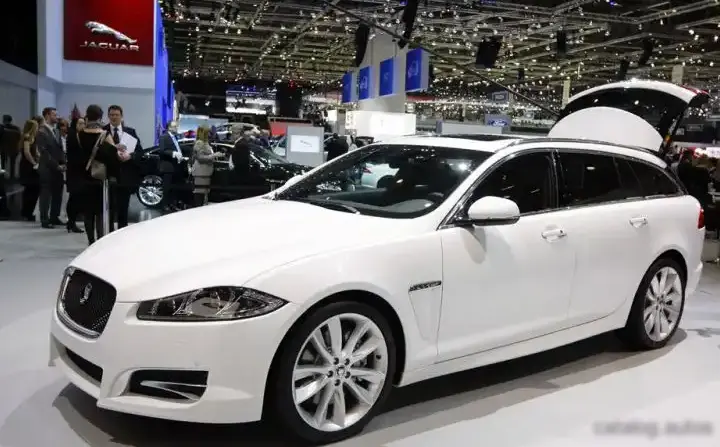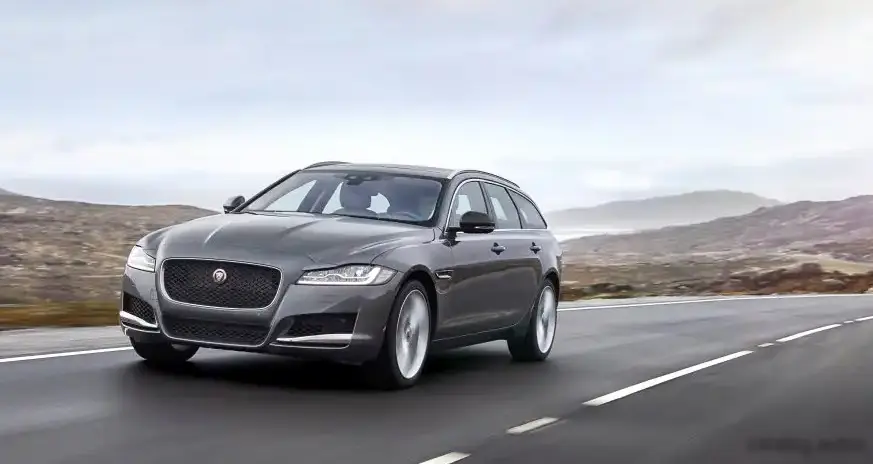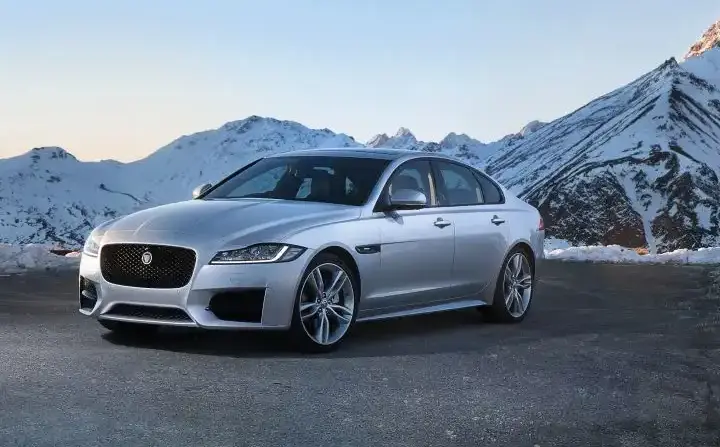
The Jaguar XF (X260) 3.0d V6 Automatic, produced between 2015 and 2018, represented a significant evolution of Jaguar’s mid-size executive sedan. Positioned as a premium offering within the X260 range, it bridged the gap between the entry-level four-cylinder models and the high-performance XFR and XJ Super trims. This variant aimed to deliver a blend of refined performance, luxurious comfort, and respectable fuel economy, appealing to buyers seeking a sophisticated and capable grand tourer. The X260 generation marked a move towards greater aluminum content in the body structure, contributing to weight reduction and improved handling characteristics compared to its predecessor.
Technical Specifications
| Brand | Jaguar |
| Model | XF |
| Generation | XF (X260) |
| Type (Engine) | 3.0d V6 (300 Hp) Automatic |
| Start of production | 2015 |
| End of production | 2018 |
| Powertrain Architecture | Internal Combustion engine |
| Body type | Sedan |
| Seats | 5 |
| Doors | 4 |
| Fuel consumption (urban) | 6.6 l/100 km (35.6 US mpg, 42.8 UK mpg, 15.2 km/l) |
| Fuel consumption (extra urban) | 4.8 l/100 km (49 US mpg, 58.9 UK mpg, 20.8 km/l) |
| Fuel consumption (combined) | 5.5 l/100 km (42.8 US mpg, 51.4 UK mpg, 18.2 km/l) |
| CO2 emissions | 144 g/km |
| Fuel Type | Diesel |
| Acceleration 0 – 100 km/h | 6.2 sec |
| Acceleration 0 – 62 mph | 6.2 sec |
| Acceleration 0 – 60 mph | 5.9 sec |
| Maximum speed | 250 km/h (155.34 mph) |
| Emission standard | Euro 6 |
| Weight-to-power ratio | 5.8 kg/Hp, 171.4 Hp/tonne |
| Weight-to-torque ratio | 2.5 kg/Nm, 400 Nm/tonne |
| Power | 300 Hp @ 4000 rpm |
| Power per litre | 100.2 Hp/l |
| Torque | 700 Nm @ 2000 rpm (516.29 lb.-ft. @ 2000 rpm) |
| Engine layout | Front, Longitudinal |
| Engine Model/Code | 306DT |
| Engine displacement | 2993 cm3 (182.64 cu. in.) |
| Number of cylinders | 6 |
| Engine configuration | V-engine |
| Cylinder Bore | 84 mm (3.31 in.) |
| Piston Stroke | 90 mm (3.54 in.) |
| Compression ratio | 16.1:1 |
| Number of valves per cylinder | 4 |
| Fuel injection system | Diesel Commonrail |
| Engine aspiration | BiTurbo, Intercooler |
| Engine oil capacity | 6.6 l (6.97 US qt | 5.81 UK qt) |
| Kerb Weight | 1750 kg (3858.09 lbs.) |
| Max. weight | 2350 kg (5180.86 lbs.) |
| Max load | 600 kg (1322.77 lbs.) |
| Trunk (boot) space – minimum | 505 l (17.83 cu. ft.) |
| Fuel tank capacity | 66 l (17.44 US gal | 14.52 UK gal) |
| Length | 4954 mm (195.04 in.) |
| Width | 1987 mm (78.23 in.) |
| Width including mirrors | 2091 mm (82.32 in.) |
| Height | 1457 mm (57.36 in.) |
| Wheelbase | 2960 mm (116.54 in.) |
| Front track | 1605 mm (63.19 in.) |
| Rear (Back) track | 1594 mm (62.76 in.) |
| Ride height (ground clearance) | 116 mm (4.57 in.) |
| Minimum turning circle | 11.61 m (38.09 ft.) |
| Drivetrain Architecture | Rear wheel drive |
| Number of gears and type of gearbox | 8 gears, automatic transmission |
| Front brakes | Ventilated discs |
| Rear brakes | Ventilated discs |
Powertrain & Engine Architecture
The heart of the XF 3.0d V6 Automatic is Jaguar’s 306DT engine, a 3.0-liter turbocharged diesel V6. This engine utilizes a sequential twin-turbocharger setup, employing a smaller turbocharger for immediate response at low engine speeds and a larger turbocharger to deliver peak power. The engine features a cast aluminum block and cylinder heads, contributing to its relatively lightweight construction. Fuel is delivered via a high-pressure common rail direct injection system, optimizing combustion efficiency and reducing emissions. The 306DT engine produces 300 horsepower at 4000 rpm and a substantial 700 Nm (516 lb-ft) of torque from as low as 2000 rpm. The engine is longitudinally mounted, driving the rear wheels. The transmission is an eight-speed automatic gearbox, known for its smooth shifts and responsiveness. This transmission was sourced from ZF and is widely regarded as one of the best in the industry, contributing significantly to the XF’s refined driving experience.
Driving Characteristics
The 3.0d V6 Automatic delivers a compelling blend of performance and refinement. The abundant torque provides effortless acceleration in everyday driving situations, with strong pull available across a wide rev range. The 0-60 mph sprint takes approximately 5.9 seconds, making it a genuinely quick sedan. While not as overtly sporty as the XFR, the 3.0d offers ample power for confident overtaking and highway cruising. The eight-speed automatic transmission is a key contributor to the driving experience, providing smooth and almost imperceptible gear changes. Compared to the 2.0-liter four-cylinder models, the 3.0d offers a significantly more relaxed and refined driving experience, with less need to rev the engine to achieve brisk acceleration. Compared to the higher-output XFR, the 3.0d prioritizes fuel efficiency and comfort over outright performance.
Equipment & Trim Levels
The XF 3.0d V6 Automatic typically came well-equipped as standard. Features included leather upholstery, dual-zone climate control, a touchscreen infotainment system with navigation, and a suite of safety features such as emergency brake assist and lane departure warning. Optional extras included a panoramic sunroof, premium audio systems (Meridian), adaptive cruise control, and heated/ventilated front seats. Trim levels varied slightly depending on the market, but generally offered progressive levels of luxury and technology. Interior finishes ranged from wood veneers to aluminum trim, allowing buyers to personalize the cabin to their preferences.
Chassis & Braking
The XF X260 benefited from extensive use of aluminum in its construction, resulting in a relatively lightweight chassis. The suspension system consists of double wishbones at the front and a multi-link setup at the rear, providing a comfortable yet controlled ride. The 3.0d variant typically featured ventilated disc brakes on all four wheels, providing ample stopping power. Anti-lock Braking System (ABS) and Electronic Stability Control (ESC) were standard features. The steering system is an electric power-assisted rack and pinion, offering precise and responsive steering feel.
Market Reception & Comparison
The Jaguar XF 3.0d V6 Automatic was generally well-received by automotive critics. It was praised for its refined engine, comfortable ride, and luxurious interior. Fuel economy was considered respectable for a vehicle of its size and performance, averaging around 42.8 US mpg on the combined cycle. Compared to its German rivals (BMW 5 Series, Mercedes-Benz E-Class, Audi A6), the XF offered a unique blend of British style and driving dynamics. Some critics noted that the infotainment system could be less intuitive than those offered by its competitors. Reliability reports suggest that the 306DT engine is generally robust, although regular maintenance is crucial.
Legacy
The Jaguar XF 3.0d V6 Automatic remains a desirable used car option. The 306DT engine has proven to be relatively durable, provided it has been properly maintained. The eight-speed automatic transmission is also known for its reliability. However, potential buyers should be aware of the costs associated with maintaining a luxury vehicle, including potential repairs to the air suspension system and other complex components. The XF X260 represents a high point in Jaguar’s design and engineering, offering a compelling alternative to the established German executive sedans.