
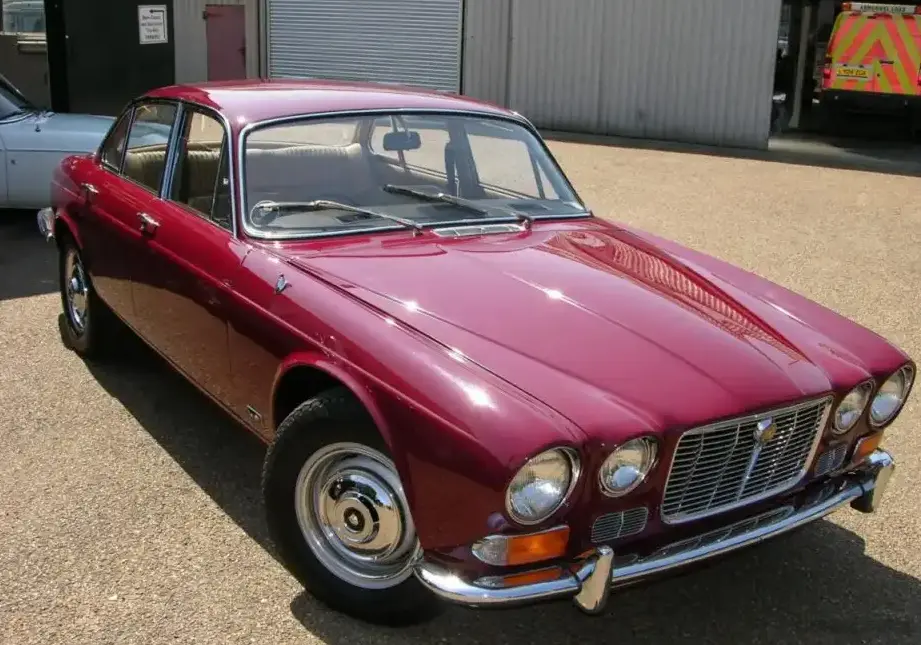
The Jaguar XJ 12 5.3, produced between 1972 and 1973, marked Jaguar’s initial offering of a twelve-cylinder engine within the iconic XJ series. This model, belonging to the first generation (Series I) XJ, aimed to blend Jaguar’s renowned luxury and refinement with a substantial performance increase. It quickly ascended to become a flagship model, attracting buyers seeking a grand touring experience. The XJ 12 5.3 was a direct response to the growing demand for larger, more powerful luxury sedans, particularly in the North American market, where Jaguar had established a strong foothold. It functioned as a halo car for the XJ range, showcasing the brand’s engineering capabilities and dedication to high-end motoring.
Technical Specifications
| Brand | Jaguar |
| Model | XJ |
| Generation | XJ (Series I) |
| Engine Type | 12 5.3 (269 Hp) |
| Start of Production | 1972 |
| End of Production | 1973 |
| Powertrain Architecture | Internal Combustion Engine |
| Body Type | Sedan |
| Seats | 5 |
| Doors | 4 |
| Fuel Type | Petrol (Gasoline) |
| Power | 269 Hp |
| Engine Aspiration | Naturally Aspirated |
Powertrain & Engine Architecture
The core of the XJ 12 5.3 is its 5.3-liter V12 engine, known as the Jaguar XK engine. This engine, a 60-degree V12, was a significant achievement in automotive engineering for its time. It featured a lightweight aluminum alloy cylinder block and cylinder heads, contributing to a relatively low weight for its displacement. The engine employed a SOHC (Single Overhead Camshaft) design per bank, operating with three valves per cylinder – two intake and one exhaust. Fuel delivery was managed by three SU carburetors, a system celebrated for its responsiveness but requiring meticulous tuning. The V12 produced 269 horsepower at 6,000 rpm and 314 lb-ft of torque at 3,500 rpm. The engine was coupled with a three-speed automatic transmission, a Borg-Warner unit, which was standard for the XJ 12. This transmission was selected for its smoothness and suitability for the luxury grand touring character of the car. While not particularly advanced by contemporary standards, it delivered a comfortable driving experience.
Driving Characteristics
The XJ 12 5.3 offered a markedly different driving experience compared to the six-cylinder XJ models. The V12 engine provided effortless acceleration and a smooth, refined power delivery. The car could accelerate from 0 to 60 mph in approximately 7.8 seconds, a respectable figure for a large luxury sedan in the early 1970s. The automatic transmission, while smooth, did result in some power loss, and the gear ratios were optimized for comfortable cruising rather than outright performance. Handling was generally good for a car of its size and weight, thanks to its independent suspension on all four wheels. However, the XJ 12 5.3 was a heavy vehicle, and its weight was noticeable during cornering. The steering was power-assisted, providing a light and easy feel, but lacked the precision of more modern systems. Overall, the driving experience prioritized a comfortable and luxurious ride, with the V12 engine offering substantial power when needed.
Equipment & Trim Levels
The XJ 12 5.3 was positioned as the top-tier XJ model, and consequently, it came standard with a comprehensive array of features. The interior was lavishly appointed with Connolly leather upholstery, wood veneer trim, and deep-pile carpets. Standard equipment included power steering, power-assisted brakes, electric windows, and a sophisticated heating and ventilation system. Air conditioning was a popular optional extra. The dashboard layout was classically Jaguar, featuring elegant gauges and a wood-rimmed steering wheel. The XJ 12 5.3 also included a comprehensive sound system, although the system’s quality varied depending on the market. Buyers could personalize their vehicles with a range of options, including a sunroof, a rear seat entertainment system, and various exterior color choices.
Chassis & Braking
The XJ 12 5.3 utilized a monocoque chassis construction, providing a strong and rigid platform. The suspension system consisted of independent double wishbones at the front and a fully independent rear suspension, a relatively advanced setup for the period. This suspension design contributed to a comfortable ride and good handling characteristics. Braking was provided by power-assisted disc brakes on all four wheels, offering ample stopping power. However, the braking system lacked the anti-lock technology found on more contemporary cars. The XJ 12 5.3 rode on Dunlop E3 tires, which were considered high-performance tires for their era. The car’s weight distribution was relatively balanced, contributing to its stability and handling.
Market Reception & Comparison
The XJ 12 5.3 was generally well-received by both critics and buyers. It was lauded for its luxurious interior, smooth ride, and powerful engine. However, some critics pointed out the car’s high price and relatively complex mechanicals. Compared to the six-cylinder XJ models, the XJ 12 5.3 offered a significant performance advantage, but it also came with a higher price tag and increased maintenance costs. The V12 engine was more intricate and required more frequent servicing than the six-cylinder engine. Fuel economy was also considerably lower with the V12. In terms of competition, the XJ 12 5.3 competed with other high-end luxury sedans such as the Rolls-Royce Silver Shadow and the Mercedes-Benz 600. While it didn’t quite match the prestige of those brands, it offered a compelling combination of performance, luxury, and value.
Legacy
The Jaguar XJ 12 5.3, despite its brief production run, played a pivotal role in establishing the XJ series as a benchmark for luxury and performance. The V12 engine became synonymous with the XJ model, and it remained in production for many years. While the early V12 engines were known for their complexity and potential reliability issues, particularly with the SU carburetors, they have become highly sought after by collectors and enthusiasts. Today, the XJ 12 5.3 is a classic car that is appreciated for its elegant styling, powerful engine, and luxurious interior. Well-maintained examples command substantial prices in the used car market. The car represents a golden age of British automotive engineering, and it continues to be a symbol of Jaguar’s commitment to luxury and performance.
