
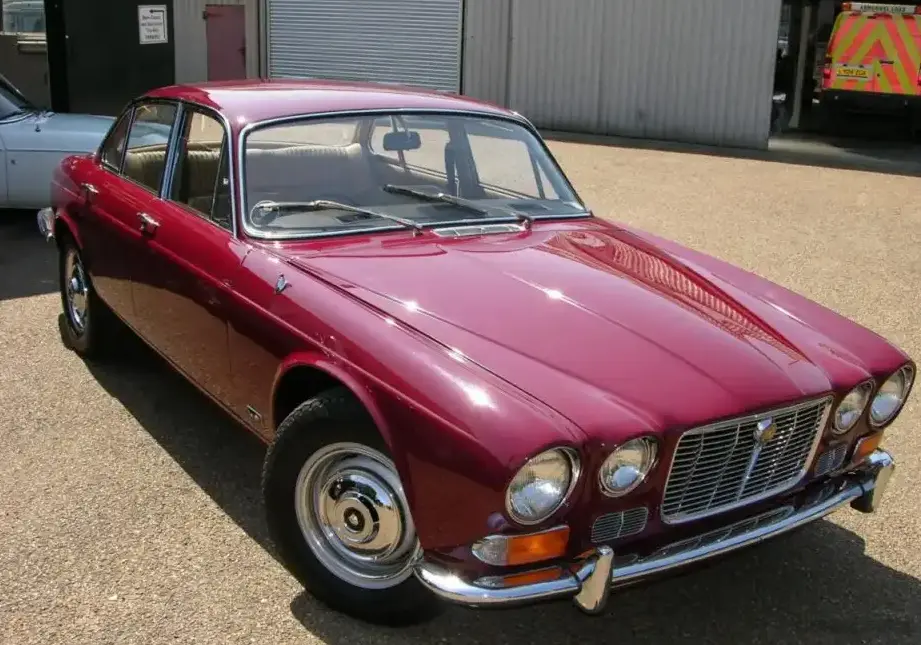
The Jaguar XJ6 4.2, produced between 1985 and 1986, represents a pivotal point in the XJ series, the third generation (XJ40) which began production in 1986. While often overshadowed by the later, fully realized XJ40 models, the 1985-1986 cars – sometimes referred to as pre-facelift or Series III – were crucial in transitioning Jaguar’s flagship sedan into a more modern era. This particular 4.2-liter variant, producing 181 horsepower, served as a potent, though not the highest-performance, option within the XJ6 lineup, bridging the gap between the 3.6-liter and the later, more powerful 4.2-liter engines. It was aimed at buyers seeking a luxurious and refined experience with ample power for comfortable cruising, particularly in the North American market where larger displacement engines were favored.
Technical Specifications
| Brand | Jaguar |
| Model | XJ6 |
| Generation | XJ (XJ40 – pre-facelift) |
| Type (Engine) | 6 4.2 (181 Hp) |
| Start of production | 1985 |
| End of production | 1986 |
| Powertrain Architecture | Internal Combustion Engine |
| Body type | Sedan |
| Seats | 5 |
| Doors | 4 |
| Fuel Type | Petrol (Gasoline) |
| Power | 181 Hp |
| Engine Aspiration | Naturally Aspirated |
Powertrain & Engine Architecture
The heart of the XJ6 4.2 is Jaguar’s inline-six cylinder engine, displacing 4.2 liters (4222 cc). This engine, designated the AJ6, was a significant evolution of Jaguar’s long-standing six-cylinder tradition. It featured a cast iron block with an aluminum cylinder head, a configuration chosen for its balance of durability and weight reduction. The 181 horsepower output was achieved through a relatively conservative compression ratio (typically around 9.0:1) and a single overhead camshaft (SOHC) design operating two valves per cylinder. Fuel delivery was managed by Bosch K-Jetronic mechanical fuel injection, a system known for its reliability and smooth operation, though less sophisticated than later electronic fuel injection systems. The engine’s lubrication system was robust, featuring a wet sump and a high-capacity oil pump. The transmission paired with the 4.2-liter engine was typically a three-speed automatic, a Chrysler Torqueflite A727 unit. This transmission, while not known for its cutting-edge technology, was renowned for its durability and smooth shifts, complementing the XJ6’s focus on comfortable grand touring.
Driving Characteristics
The XJ6 4.2, with its 181 horsepower and three-speed automatic transmission, offered a distinctly different driving experience compared to the more nimble, manual transmission-equipped XJ6 models. Acceleration was respectable for the era, with a 0-60 mph time estimated around 8.5-9.5 seconds. However, the focus wasn’t on outright speed but rather on effortless cruising. The automatic transmission’s gear ratios were geared towards relaxed highway driving, providing smooth and seamless gear changes. The engine delivered strong torque throughout the rev range, making overtaking maneuvers easy and confident. Compared to the later, more powerful 4.2-liter versions (which could exceed 220 hp), the 181 hp variant felt less urgent, but it offered a more refined and less stressed driving experience. The car’s weight, approximately 3,800-4,000 lbs depending on options, contributed to a comfortable ride, absorbing bumps and imperfections in the road effectively.
Equipment & Trim Levels
The XJ6 4.2 was positioned as a premium trim level within the XJ6 range. Standard equipment included Connolly leather upholstery, walnut wood veneer trim, power windows, power steering, and air conditioning. The interior was designed with a focus on luxury and comfort, featuring plush carpeting and well-appointed seats. Optional extras included a sunroof, premium sound system, and upgraded leather options. The dashboard layout was relatively straightforward, with analog gauges providing essential information. The early XJ40 models, including the 1985-1986 XJ6 4.2, featured a slightly different dashboard design compared to the later, facelifted versions. The exterior styling was characterized by clean lines and a relatively understated elegance, typical of Jaguar design. Chrome trim was used sparingly, adding a touch of sophistication without being ostentatious.
Chassis & Braking
The XJ6 4.2 utilized a fully independent suspension system, featuring double wishbones at the front and a semi-trailing arm suspension at the rear. This setup provided a comfortable ride and good handling characteristics. The steering was power-assisted, making maneuvering easy, particularly at low speeds. Braking was initially equipped with disc brakes on the front wheels and drum brakes on the rear wheels. Later models often featured disc brakes all around, offering improved stopping power. Anti-lock braking system (ABS) was available as an option, enhancing safety and control. Stabilizer bars were fitted to both the front and rear axles, reducing body roll during cornering. The chassis was a monocoque construction, providing a rigid and strong platform for the vehicle.
Market Reception & Comparison
The XJ6 4.2 received generally positive reviews from automotive critics. It was praised for its luxurious interior, comfortable ride, and refined engine. However, some critics noted that the performance wasn’t as exhilarating as some of its competitors, such as the BMW 7-Series or Mercedes-Benz S-Class. Compared to the 3.6-liter XJ6, the 4.2-liter variant offered a noticeable increase in power and torque, making it a more appealing option for buyers who prioritized effortless cruising. Fuel economy was typical for a large luxury sedan of the era, averaging around 16-18 mpg in mixed driving. Reliability was generally good, although the Bosch K-Jetronic fuel injection system could require occasional maintenance. The XJ6 4.2 was positioned as a competitor to other luxury sedans in the upper-midsize segment, offering a unique blend of British elegance and performance.
Legacy
The 1985-1986 Jaguar XJ6 4.2, while a relatively short-lived variant, holds a significant place in Jaguar’s history. It represented a crucial step in the evolution of the XJ series, paving the way for the more refined and technologically advanced XJ40 models that followed. The AJ6 engine proved to be a durable and reliable powerplant, and many examples are still on the road today. In the used car market, these early XJ40s are becoming increasingly collectible, particularly well-maintained examples with low mileage. While maintenance can be more involved than with more modern vehicles, the XJ6 4.2 offers a unique driving experience and a timeless sense of British luxury. The Chrysler Torqueflite transmission, while simple, is known for its longevity, and parts availability remains reasonable. The car’s enduring appeal lies in its combination of classic styling, comfortable ride, and refined engine, making it a desirable classic for enthusiasts and collectors alike.
