
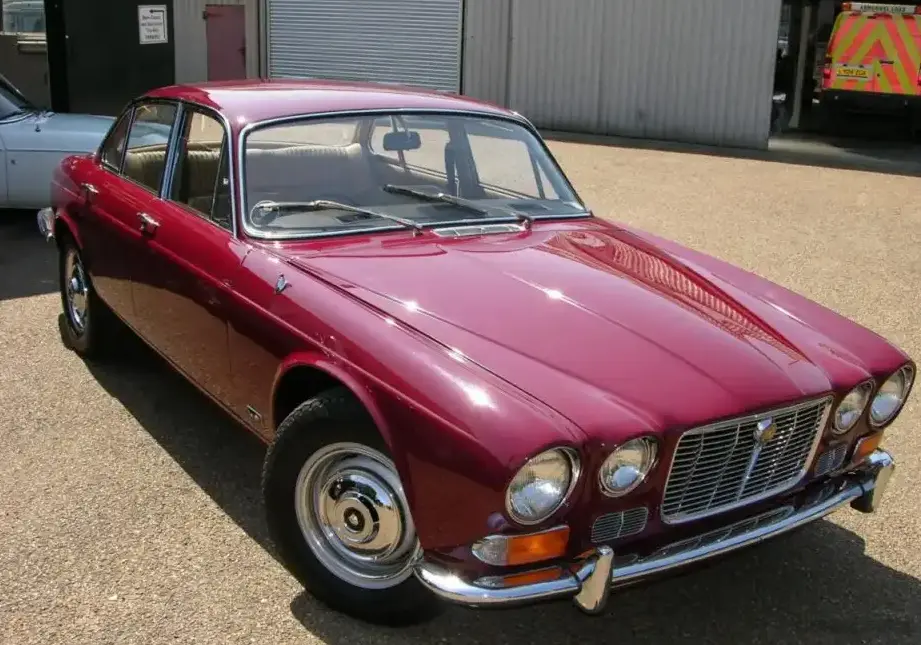
The Jaguar XJ 6 4.2, produced between 1979 and 1987, represents a significant iteration of Jaguar’s flagship saloon. Falling within the XJ Series III generation (internal designation XJ40), this variant was positioned as a luxurious, high-performance offering, embodying the British marque’s commitment to refined motoring. The XJ6 4.2 served as a bridge between the earlier, more classically styled XJ models and the technologically advanced XJ40 that would follow, retaining much of the Series II’s elegance while incorporating subtle updates and improvements. It was primarily aimed at the North American and European markets, where buyers appreciated the blend of luxury, performance, and British craftsmanship.
Technical Specifications
| Brand | Jaguar |
| Model | XJ |
| Generation | XJ Series III (XJ40) |
| Type (Engine) | 6 4.2 (205 Hp) |
| Start of Production | 1979 |
| End of Production | 1987 |
| Powertrain Architecture | Internal Combustion Engine |
| Body Type | Sedan |
| Seats | 5 |
| Doors | 4 |
| Fuel Type | Petrol (Gasoline) |
| Power | 205 Hp |
| Engine Aspiration | Naturally Aspirated |
Powertrain & Engine Architecture
The heart of the XJ6 4.2 is its 4.2-liter inline-six cylinder engine, designated the AJ6. This engine, a descendant of the renowned Jaguar XK engine family, is a naturally aspirated, dual overhead camshaft (DOHC) design. It features a cast iron block and an aluminum cylinder head, contributing to its robust construction and relatively lightweight nature. Fuel delivery is managed by a Bosch mechanical fuel injection system, a departure from the earlier SU carburetor setups. This injection system improved fuel efficiency and provided more consistent performance across varying conditions. The engine produces 205 horsepower at 5,500 rpm and 265 lb-ft of torque at 4,000 rpm. The engine’s valvetrain utilizes three valves per cylinder – two intake and one exhaust – enhancing volumetric efficiency and contributing to its smooth power delivery. The XJ6 4.2 was typically paired with a three-speed automatic transmission (Chrysler Torqueflite A727), known for its durability and smooth shifting characteristics. While a manual transmission was offered in some markets, the automatic was overwhelmingly the preferred choice for XJ buyers seeking a luxurious driving experience.
Driving Characteristics
The XJ6 4.2, with its 205 hp and automatic transmission, offered a refined and comfortable driving experience. Acceleration was brisk, capable of reaching 60 mph in approximately 8.5 seconds, which was competitive for luxury saloons of the era. The automatic transmission, while not offering the responsiveness of a manual, provided seamless gear changes and contributed to the car’s overall smoothness. The gear ratios were tuned for relaxed cruising, making it an ideal grand tourer. Compared to the XJ6 3.4, the 4.2 offered a noticeable increase in torque, resulting in stronger acceleration and improved passing power. However, it wasn’t a sports car; the emphasis was on effortless performance rather than outright speed. The XJ6 4.2’s weight, approximately 3,800 lbs, did contribute to a slight feeling of bulkiness, particularly in corners. However, the well-tuned suspension and independent rear suspension helped to mitigate this, providing a comfortable and controlled ride.
Equipment & Trim Levels
The XJ6 4.2 was a well-equipped vehicle, even by the standards of the late 1970s and early 1980s. Standard features included power steering, power-assisted brakes, leather upholstery, walnut veneer trim, and electric windows. Air conditioning was almost universally specified, and many examples were equipped with a sunroof. The interior was designed with a focus on luxury and comfort, featuring plush carpets, comfortable seating, and a generally high level of fit and finish. Optional extras included a premium sound system, heated seats, and a trip computer. Trim levels varied slightly depending on the market, but generally, the XJ6 4.2 represented a high level of specification within the XJ range. The exterior styling was characterized by its elegant lines, chrome trim, and distinctive Jaguar grille.
Chassis & Braking
The XJ6 4.2 utilized a robust chassis construction, featuring a monocoque body shell. The suspension system consisted of independent double wishbones at the front and a fully independent rear suspension, a feature that contributed to the car’s comfortable ride and handling. The braking system was initially equipped with disc brakes all around, although some earlier models may have featured rear drum brakes. Power-assisted braking was standard, providing ample stopping power. Stabilizer bars were fitted to both the front and rear axles, helping to reduce body roll during cornering. The steering was a recirculating ball system, providing a relatively light and precise feel. The XJ6 4.2’s chassis and braking systems were designed to provide a balance of comfort, handling, and safety.
Market Reception & Comparison
The Jaguar XJ6 4.2 was generally well-received by critics and buyers alike. It was praised for its luxurious interior, smooth ride, and strong performance. However, it was also criticized for its relatively high price and occasional reliability issues. Compared to its rivals, such as the Mercedes-Benz S-Class and BMW 7 Series, the XJ6 4.2 offered a more distinctive character and a greater emphasis on style. Fuel economy was typical for a large, luxury saloon of the era, averaging around 15-18 mpg. The XJ6 3.4, while more affordable, offered less performance. The later XJ40 models, with their more modern technology and improved fuel efficiency, eventually superseded the Series III XJ6 4.2 in the market.
Legacy
The Jaguar XJ6 4.2 remains a desirable classic car today, appreciated for its elegant styling, luxurious interior, and smooth driving experience. The AJ6 engine, while requiring regular maintenance, is generally considered to be a robust and reliable unit. However, like many British cars of this era, it is susceptible to corrosion, particularly in areas exposed to salt. Parts availability is generally good, although some specific components can be difficult to find. The XJ6 4.2’s enduring appeal lies in its ability to evoke a sense of British motoring heritage and provide a comfortable and refined driving experience. In the used car market, well-maintained examples command a premium, reflecting their status as a classic luxury saloon. The car represents a high point in Jaguar’s engineering and design, and continues to be cherished by enthusiasts around the world.
