
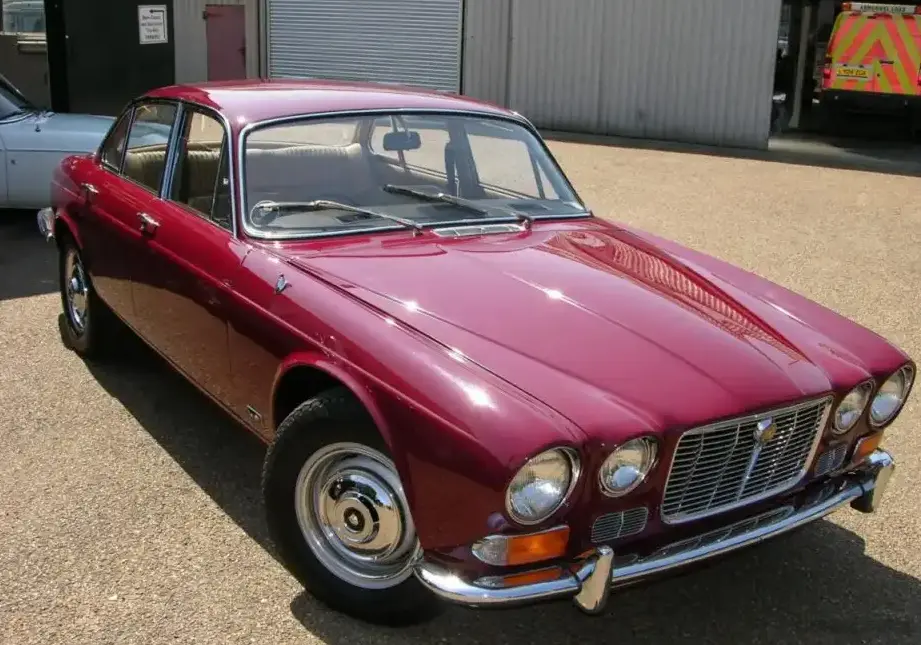
The Jaguar XJ Sovereign V12 (264 hp), produced between 1986 and 1992, represents a high-water mark in traditional British luxury motoring. Part of the XJ Series III generation (internally designated XJ40), the Sovereign V12 was the flagship model, offering a blend of opulent comfort, powerful performance, and sophisticated technology for its time. It stood as a testament to Jaguar’s engineering prowess and commitment to providing a refined driving experience. This variant occupied the very top of the XJ lineup, positioned above the inline-six and V12 models with lower horsepower ratings, and aimed at buyers seeking the ultimate in Jaguar prestige.
Technical Specifications
| Brand | Jaguar |
| Model | XJ |
| Generation | XJ Series III (XJ40) |
| Type (Engine) | Sovereign V12 (264 Hp) |
| Start of Production | 1986 |
| End of Production | 1992 |
| Powertrain Architecture | Internal Combustion Engine |
| Body Type | Sedan |
| Seats | 5 |
| Doors | 4 |
| Fuel Type | Petrol (Gasoline) |
| Power | 264 Hp |
| Engine Aspiration | Naturally Aspirated |
Powertrain & Engine Architecture
The heart of the XJ Sovereign V12 is its 5.3-liter V12 engine. This engine, a descendant of the original Jaguar V12 introduced in the 1970s, was a 60-degree V configuration with aluminum alloy cylinder heads and a cast iron block. The 264 horsepower output was achieved through a combination of Bosch fuel injection, a revised cylinder head design, and optimized engine management. Unlike earlier iterations, the XJ40 V12 utilized a Lucas digital engine control unit (ECU) for more precise fuel delivery and ignition timing. The engine featured a single overhead camshaft per cylinder bank, operating four valves per cylinder. The V12’s smooth power delivery was a hallmark of the model, providing effortless acceleration. The transmission paired with the V12 was a three-speed Chrysler Torqueflite automatic, chosen for its robustness and ability to handle the engine’s substantial torque. While not the most modern automatic by the late 1980s, it was considered reliable and contributed to the car’s luxurious, unhurried character.
Driving Characteristics
The XJ Sovereign V12 offered a distinctly grand touring experience. The 264 hp and approximately 300 lb-ft of torque provided brisk acceleration, capable of propelling the sizable sedan to 60 mph in around 7.5 seconds – respectable performance for the era. The three-speed automatic transmission, while lacking the sophistication of modern gearboxes, offered smooth shifts and was well-suited to the engine’s powerband. The gear ratios were geared towards comfortable cruising rather than outright performance. Compared to the inline-six XJ models, the V12 offered significantly more power and a smoother, quieter ride. However, the V12’s increased weight over the front axle did contribute to a slight increase in understeer. The Sovereign V12 wasn’t designed for aggressive cornering; its strengths lay in providing a relaxed and refined driving experience on long journeys.
Equipment & Trim Levels
The “Sovereign” designation denoted a high level of luxury and equipment. Standard features included Connolly leather upholstery, burled walnut wood trim, electric windows and mirrors, central locking, and a premium sound system. Climate control was also standard, providing a comfortable cabin environment. The XJ Sovereign V12 typically featured a more comprehensive level of sound deadening than lower-trim models, further enhancing the sense of isolation and refinement. Optional extras included a sunroof, upgraded audio systems, and a self-leveling suspension system. The interior design was classic Jaguar, emphasizing elegance and craftsmanship. The dashboard layout was relatively straightforward, with clearly labeled controls and a focus on driver comfort.
Chassis & Braking
The XJ Series III utilized a monocoque chassis construction, providing a good balance of rigidity and weight. The suspension system employed independent double wishbones at the front and a live axle with trailing arms at the rear. The Sovereign V12 typically featured stiffer springs and dampers compared to the standard XJ models to better manage the increased weight and power. Braking was accomplished via four-wheel disc brakes, although rear discs were not standard on all XJ models; some earlier versions retained rear drums. Anti-lock braking (ABS) was available as an option, and became increasingly common on later models. Power steering was standard, providing light and precise steering feel.
Market Reception & Comparison
The XJ Sovereign V12 was generally well-received by automotive critics, who praised its luxurious interior, smooth ride, and powerful engine. However, it wasn’t without its drawbacks. Some reviewers noted the car’s relatively high price, complex electrical systems, and potential for reliability issues, particularly with the Lucas fuel injection and electrical components. Compared to its rivals, such as the Mercedes-Benz 560SEL and BMW 750iL, the XJ Sovereign V12 offered a more distinctive British character and a greater emphasis on comfort and style. Fuel economy was predictably poor for a V12 engine, averaging around 12-15 mpg in mixed driving. Maintenance costs were also significantly higher than those of the inline-six XJ models.
Legacy
The Jaguar XJ Sovereign V12 remains a highly sought-after classic car today. Its combination of luxury, performance, and British heritage continues to appeal to collectors and enthusiasts. While the V12 engine can be expensive to maintain, its smooth power delivery and distinctive sound make it a rewarding powerplant. The XJ40 generation, and particularly the Sovereign V12, marked a significant step forward for Jaguar in terms of technology and build quality. However, the complexity of the car’s systems means that finding a well-maintained example is crucial. In the used car market, prices for well-preserved XJ Sovereign V12s have been steadily increasing, reflecting their growing desirability and rarity. The car represents a final flourish of traditional Jaguar values before the brand underwent significant changes in ownership and design philosophy.
