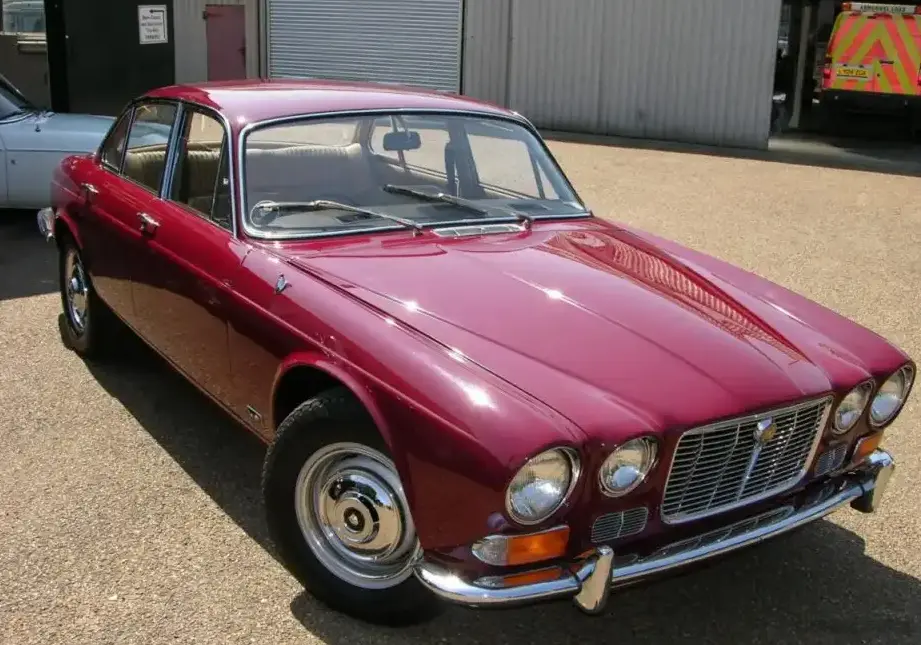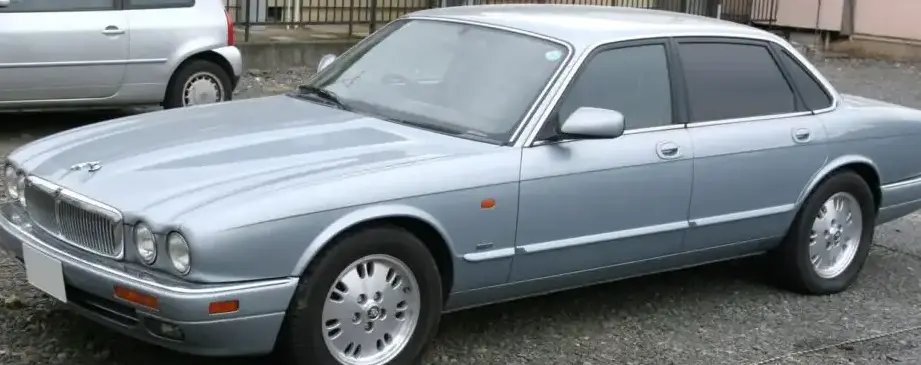
The Jaguar XJ (X300) 3.2 24V Classic Automatic, produced between 1994 and 1997, represents a pivotal moment in the XJ lineage. Falling within the X300 generation (produced 1994-1997), this variant aimed to blend traditional Jaguar luxury with improved build quality and modern technology. It served as a mid-range offering in the XJ lineup, positioned above the 3.2-liter non-Classic models and below the higher-performance 4.0-liter variants. The X300 was Jaguar’s attempt to address criticisms leveled at the preceding XJ40 series, focusing on refinement and reliability while retaining the brand’s signature elegance.
Technical Specifications
| Brand | Jaguar |
| Model | XJ |
| Generation | XJ (X300) |
| Type (Engine) | 3.2 24V Classic (211 Hp) Automatic |
| Start of production | 1994 |
| End of production | 1997 |
| Powertrain Architecture | Internal Combustion engine |
| Body type | Sedan |
| Seats | 5 |
| Doors | 4 |
| Fuel consumption (combined) | 11.2 l/100 km |
| Fuel consumption (US mpg) | 21 |
| Fuel consumption (UK mpg) | 25.2 |
| Fuel consumption (km/l) | 8.9 |
| Fuel Type | Petrol (Gasoline) |
| Acceleration 0 – 100 km/h | 8.4 sec |
| Acceleration 0 – 62 mph | 8.4 sec |
| Acceleration 0 – 60 mph | 8 sec |
| Maximum speed | 223 km/h (138.57 mph) |
| Weight-to-power ratio | 8.5 kg/Hp |
| Weight-to-torque ratio | 6 kg/Nm |
| Power | 211 Hp @ 5100 rpm |
| Power per litre | 65.1 Hp/l |
| Torque | 301 Nm @ 4500 rpm (222.01 lb.-ft. @ 4500 rpm) |
| Engine layout | Front, Longitudinal |
| Engine displacement | 3239 cm3 (197.66 cu. in.) |
| Number of cylinders | 6 |
| Engine configuration | Inline |
| Cylinder Bore | 91 mm (3.58 in.) |
| Piston Stroke | 83 mm (3.27 in.) |
| Compression ratio | 10:1 |
| Number of valves per cylinder | 4 |
| Fuel injection system | Multi-port manifold injection |
| Engine aspiration | Naturally aspirated |
| Valvetrain | DOHC |
| Kerb Weight | 1800 kg (3968.32 lbs.) |
| Max. weight | 2220 kg (4894.26 lbs.) |
| Max load | 420 kg (925.94 lbs.) |
| Trunk (boot) space – minimum | 430 l (15.19 cu. ft.) |
| Fuel tank capacity | 86 l (22.72 US gal | 18.92 UK gal) |
| Length | 5023 mm (197.76 in.) |
| Width | 1798 mm (70.79 in.) |
| Height | 1314 mm (51.73 in.) |
| Wheelbase | 2870 mm (112.99 in.) |
| Front track | 1500 mm (59.06 in.) |
| Rear (Back) track | 1498 mm (58.98 in.) |
| Drivetrain Architecture | Rear wheel drive |
| Number of gears | 4 |
| Gearbox type | Automatic transmission |
| Front suspension | Double wishbone |
| Rear suspension | Coil spring |
| Front brakes | Ventilated discs |
| Rear brakes | Ventilated discs |
| Assisting systems | ABS (Anti-lock braking system), Hydraulic Power steering |
| Tires size | 225/60 R16 |
| Wheel rims size | 16 |
Powertrain & Engine Architecture
The heart of the XJ 3.2 Classic is Jaguar’s AJ16 inline-six engine. Displacing 3.2 liters (3239 cc), this engine produced 211 horsepower at 5100 rpm and 301 Nm (222 lb-ft) of torque at 4500 rpm. It featured a multi-port fuel injection system and a double overhead camshaft (DOHC) valvetrain operating four valves per cylinder. The engine’s design emphasized smooth power delivery rather than outright performance, aligning with the XJ’s focus on refined cruising. The automatic transmission was a four-speed unit, known for its smoothness but not particularly for its responsiveness. This transmission was a key component in the XJ’s appeal to buyers prioritizing comfort over sporty driving dynamics.
Driving Characteristics
The 3.2-liter automatic XJ offered a comfortable and relaxed driving experience. Acceleration to 60 mph took around 8 seconds, which was adequate for the time but noticeably slower than the 4.0-liter models or those equipped with a manual transmission. The automatic gearbox, while smooth, could feel somewhat hesitant during quick overtaking maneuvers. The gear ratios were tuned for fuel efficiency and cruising comfort, rather than aggressive acceleration. Compared to the manual transmission versions, the automatic sacrificed some responsiveness, but it provided a more effortless driving experience, particularly in city traffic. The inline-six engine delivered a characteristic smooth and refined power delivery, typical of Jaguar engines of the era.
Equipment & Trim Levels
The “Classic” designation denoted a higher level of standard equipment compared to the base XJ 3.2. Standard features included leather upholstery, wood veneer trim, electric windows and mirrors, cruise control, and an upgraded sound system. Air conditioning was also standard. Optional extras included a sunroof, upgraded audio systems, and rear seat entertainment. The interior design was a hallmark of Jaguar luxury, with high-quality materials and meticulous attention to detail. The XJ 3.2 Classic aimed to provide a luxurious and well-equipped environment for both driver and passengers.
Chassis & Braking
The XJ X300 utilized a double wishbone suspension setup at the front and a coil spring suspension at the rear. This configuration provided a comfortable ride, absorbing bumps and imperfections in the road effectively. All four wheels were equipped with ventilated disc brakes, providing ample stopping power. An anti-lock braking system (ABS) was standard, enhancing safety. The steering was hydraulically assisted, offering a light and precise feel. The X300’s chassis was significantly improved over the XJ40, with increased rigidity and reduced noise, vibration, and harshness (NVH).
Market Reception & Comparison
The XJ 3.2 Automatic was generally well-received by critics, who praised its comfortable ride, refined engine, and luxurious interior. However, some reviewers noted its relatively modest performance compared to its rivals, particularly the BMW 7 Series and Mercedes-Benz S-Class. Fuel economy was reasonable for a car of its size and class, averaging around 21 mpg in combined driving. Compared to the 4.0-liter XJ, the 3.2 offered a more affordable entry point into the XJ range, but at the expense of performance. The 3.2 was also seen as a more sensible choice than the more powerful models, appealing to buyers who prioritized comfort and refinement over outright speed.
Legacy
The XJ X300 3.2 Automatic has developed a reputation for reliability, particularly when properly maintained. The AJ16 engine is known to be durable, and the four-speed automatic transmission, while not the most modern, is generally dependable. Today, these cars are sought after by enthusiasts and collectors who appreciate their classic Jaguar charm and relative affordability. Parts availability is generally good, although some trim-specific components can be difficult to find. The XJ X300 represents a high point in Jaguar’s engineering and design, offering a blend of luxury, comfort, and reliability that continues to appeal to drivers today. Well-maintained examples command respectable prices in the used car market, reflecting their enduring appeal and status as a classic British luxury sedan.