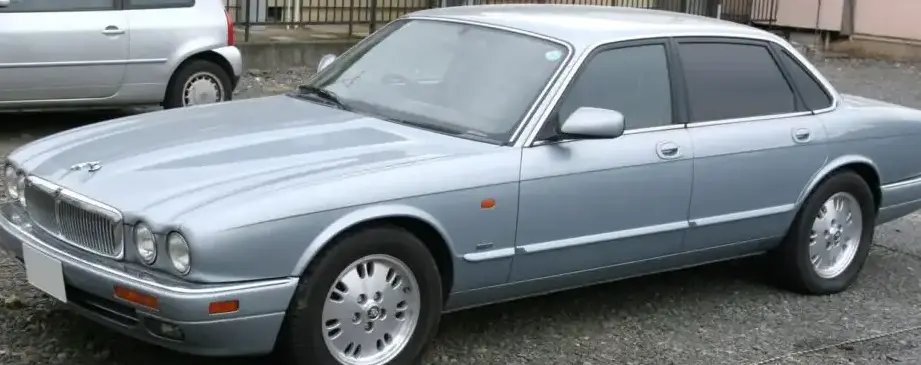
The Jaguar XJ X300 6.0 V12 Classic Automatic, produced between 1994 and 1997, represents the pinnacle of traditional Jaguar luxury and performance before the brand’s acquisition by Ford. This model served as the flagship of the XJ range, embodying a blend of timeless design, powerful engineering, and opulent comfort. It was the final iteration of the XJ12 before a significant redesign, and remains highly sought after by collectors and enthusiasts. The X300 platform, introduced in 1994, brought substantial improvements in build quality, reliability, and refinement compared to its predecessor, the XJ40. The 6.0 V12 Classic Automatic was positioned as the ultimate expression of the XJ, offering a more potent and refined experience than the inline-six and smaller V12 options.
Technical Specifications
| Brand | Jaguar |
| Model | XJ |
| Generation | XJ (X300) |
| Type | 6.0 V12 Classic (311 Hp) Automatic |
| Start of production | 1994 |
| End of production | 1997 |
| Powertrain Architecture | Internal Combustion engine |
| Body type | Sedan |
| Seats | 5 |
| Doors | 4 |
| Fuel consumption (combined) | 15.7 l/100 km (15 US mpg, 18 UK mpg, 6.4 km/l) |
| Fuel Type | Petrol (Gasoline) |
| Acceleration 0 – 100 km/h | 7.2 sec |
| Acceleration 0 – 62 mph | 7.2 sec |
| Acceleration 0 – 60 mph | 6.8 sec |
| Maximum speed | 254 km/h (157.83 mph) |
| Weight-to-power ratio | 6.4 kg/Hp, 157.5 Hp/tonne |
| Weight-to-torque ratio | 4.2 kg/Nm, 240.5 Nm/tonne |
| Power | 311 Hp @ 5350 rpm |
| Power per litre | 51.9 Hp/l |
| Torque | 475 Nm @ 2850 rpm (350.34 lb.-ft. @ 2850 rpm) |
| Engine layout | Front, Longitudinal |
| Engine displacement | 5993 cm3 (365.72 cu. in.) |
| Number of cylinders | 12 |
| Engine configuration | V-engine |
| Cylinder Bore | 90 mm (3.54 in.) |
| Piston Stroke | 78.5 mm (3.09 in.) |
| Compression ratio | 11:1 |
| Number of valves per cylinder | 2 |
| Fuel injection system | Multi-port manifold injection |
| Engine aspiration | Naturally aspirated engine |
| Valvetrain | OHC |
| Kerb Weight | 1975 kg (4354.13 lbs.) |
| Max. weight | 2395 kg (5280.07 lbs.) |
| Max load | 420 kg (925.94 lbs.) |
| Trunk (boot) space – minimum | 430 l (15.19 cu. ft.) |
| Fuel tank capacity | 86 l (22.72 US gal | 18.92 UK gal) |
| Length | 5023 mm (197.76 in.) |
| Width | 1798 mm (70.79 in.) |
| Height | 1314 mm (51.73 in.) |
| Wheelbase | 2870 mm (112.99 in.) |
| Front track | 1500 mm (59.06 in.) |
| Rear (Back) track | 1498 mm (58.98 in.) |
| Drivetrain Architecture | The Internal combustion engine (ICE) drives the rear wheels of the vehicle. |
| Drive wheel | Rear wheel drive |
| Number of gears and type of gearbox | 4 gears, automatic transmission |
| Front suspension | Double wishbone |
| Rear suspension | Coil spring |
| Front brakes | Ventilated discs |
| Rear brakes | Ventilated discs |
| Assisting systems | ABS (Anti-lock braking system), Hydraulic Steering |
| Tires size | 225/55 R16 |
Powertrain & Engine Architecture
The heart of the X300 6.0 V12 is the Jaguar AJ6 engine, a 5.993-liter naturally aspirated V12. This engine, while retaining the basic architecture of earlier Jaguar V12s, benefited from significant revisions for the X300. It featured a revised cylinder head design, improved fuel injection, and strengthened internals for increased durability. The engine utilized a multi-port fuel injection system, delivering fuel directly to each cylinder for optimized combustion. The valvetrain employed a single overhead camshaft (OHC) design per cylinder bank. The engine produced 311 horsepower at 5350 rpm and 475 Nm (350 lb-ft) of torque at 2850 rpm. This power was delivered to the rear wheels through a four-speed automatic transmission, a crucial component of the X300 6.0 V12’s grand touring character. The transmission was designed for smooth, effortless shifts, prioritizing comfort over outright performance.
Driving Characteristics
The X300 6.0 V12 Automatic offered a distinctly different driving experience compared to its six-cylinder or smaller V12 siblings. The larger engine provided effortless acceleration, with a 0-60 mph time of around 6.8 seconds and a top speed of 157.83 mph. While not a sports car, the X300 V12 possessed ample power for confident overtaking and relaxed highway cruising. The automatic transmission, while smooth, did result in some power loss compared to the available manual transmission. The gear ratios were tuned for comfort and refinement, rather than aggressive acceleration. The car’s substantial weight (approximately 4354 lbs) was noticeable, but the V12’s torque helped to mitigate this. The overall driving experience was one of serene power and luxurious isolation.
Equipment & Trim Levels
The 6.0 V12 Classic Automatic was the most luxurious trim level available on the X300. Standard features included Connolly leather upholstery, burled walnut wood trim, power-adjustable front seats with memory function, a premium sound system, automatic climate control, and a sunroof. Exterior features included unique alloy wheels and a chrome grille. Optional extras included a rear seat entertainment system, upgraded leather options, and a telephone system. The interior was designed to provide a sanctuary of comfort and refinement, with meticulous attention to detail and high-quality materials.
Chassis & Braking
The X300 chassis featured independent double wishbone suspension at the front and a coil spring suspension at the rear. This setup provided a comfortable ride while maintaining good handling characteristics. The X300 6.0 V12 was equipped with ventilated disc brakes on all four wheels, providing ample stopping power. An anti-lock braking system (ABS) was standard, enhancing safety and control. The steering was hydraulically assisted, offering a light and precise feel. The suspension was tuned to prioritize ride comfort, but it also provided a stable and predictable handling experience.
Market Reception & Comparison
The X300 6.0 V12 Classic Automatic was well-received by critics, who praised its luxurious interior, powerful engine, and refined driving experience. However, its high price tag and relatively poor fuel economy (15 US mpg combined) limited its appeal to a niche market. Compared to the inline-six and 4.0-liter V12 models, the 6.0 V12 offered significantly more power and a more luxurious experience, but at a considerable cost. The 4.0-liter V12 provided a good balance of performance and economy, while the inline-six was the most affordable option. Reliability was generally good for the X300, but the V12 engine required more frequent and costly maintenance than the other engine options.
Legacy
The Jaguar X300 6.0 V12 Classic Automatic remains a highly desirable classic car today. Its combination of timeless design, powerful engine, and luxurious interior has made it a favorite among collectors and enthusiasts. While the V12 engine requires careful maintenance, it is generally considered to be a robust and reliable powerplant when properly cared for. The X300 represents the last of the traditional Jaguar XJ models, before the brand’s design direction shifted with the introduction of the X308. As a result, it holds a special place in the hearts of many Jaguar aficionados, and continues to command strong prices in the used car market.