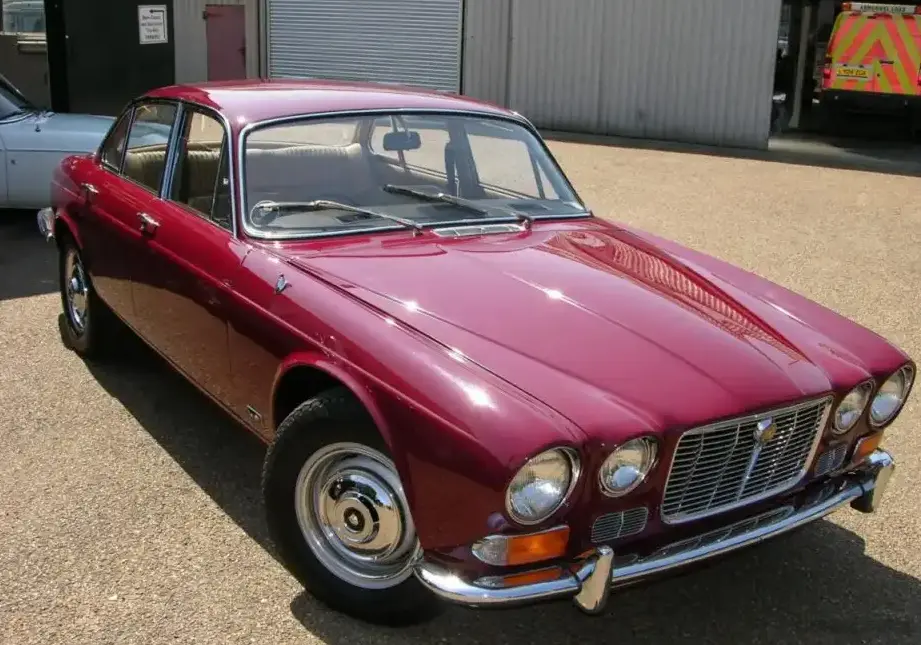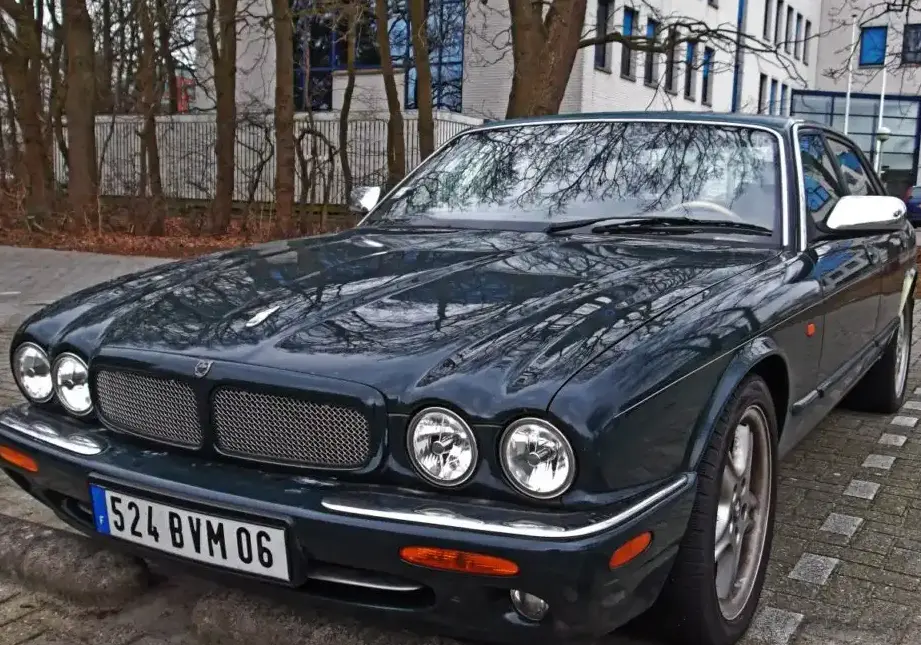
The Jaguar XJ X308 3.2 V8, produced from 1997 to 2003, represented a significant evolution of Jaguar’s flagship sedan. Positioned as a mid-range offering within the X308 generation – which replaced the XJ40 – it bridged the gap between the entry-level 4.0-liter inline-six and the high-performance supercharged V8 models. The X308 was the first XJ to feature a fully unitized body structure, enhancing rigidity and refinement. It was Jaguar’s primary competitor against the BMW 7 Series and Mercedes-Benz S-Class in the luxury sedan segment, particularly in markets like North America, Europe, and Australia.
Technical Specifications
| Brand | Jaguar |
| Model | XJ |
| Generation | XJ (X308) |
| Type (Engine) | 3.2 V8 32V (237 Hp) Automatic |
| Start of production | 1997 |
| End of production | 2003 |
| Powertrain Architecture | Internal Combustion engine |
| Body type | Sedan |
| Seats | 5 |
| Doors | 4 |
| Fuel consumption (economy) – urban | 17.1 l/100 km (13.8 US mpg, 16.5 UK mpg, 5.8 km/l) |
| Fuel consumption (economy) – extra urban | 9.2 l/100 km (25.6 US mpg, 30.7 UK mpg, 10.9 km/l) |
| Fuel consumption (economy) – combined | 12.1 l/100 km (19.4 US mpg, 23.3 UK mpg, 8.3 km/l) |
| Fuel Type | Petrol (Gasoline) |
| Acceleration 0 – 100 km/h | 8.5 sec |
| Acceleration 0 – 62 mph | 8.5 sec |
| Acceleration 0 – 60 mph | 8.1 sec |
| Maximum speed | 225 km/h (139.81 mph) |
| Weight-to-power ratio | 7.5 kg/Hp, 133.1 Hp/tonne |
| Weight-to-torque ratio | 5.7 kg/Nm, 174.2 Nm/tonne |
| Power | 237 Hp @ 6350 rpm |
| Power per litre | 73 Hp/l |
| Torque | 310 Nm @ 4350 rpm (228.64 lb.-ft. @ 4350 rpm) |
| Engine layout | Front, Longitudinal |
| Engine Model/Code | AJ |
| Engine displacement | 3248 cm3 (198.21 cu. in.) |
| Number of cylinders | 8 |
| Engine configuration | V-engine |
| Cylinder Bore | 86 mm (3.39 in.) |
| Piston Stroke | 70 mm (2.76 in.) |
| Compression ratio | 10.5:1 |
| Number of valves per cylinder | 4 |
| Fuel injection system | Multi-port manifold injection |
| Engine aspiration | Naturally aspirated engine |
| Valvetrain | DOHC |
| Engine oil capacity | 6.5 l (6.87 US qt | 5.72 UK qt) |
| Coolant | 10 l (10.57 US qt | 8.8 UK qt) |
| Kerb Weight | 1780 kg (3924.23 lbs.) |
| Max. weight | 2260 kg (4982.45 lbs.) |
| Max load | 480 kg (1058.22 lbs.) |
| Trunk (boot) space – minimum | 430 l (15.19 cu. ft.) |
| Fuel tank capacity | 81 l (21.4 US gal | 17.82 UK gal) |
| Length | 5023 mm (197.76 in.) |
| Width | 1799 mm (70.83 in.) |
| Height | 1345 mm (52.95 in.) |
| Wheelbase | 2870 mm (112.99 in.) |
| Front track | 1500 mm (59.06 in.) |
| Rear (Back) track | 1498 mm (58.98 in.) |
| Drivetrain Architecture | The Internal combustion engine (ICE) drives the rear wheels of the vehicle. |
| Drive wheel | Rear wheel drive |
| Number of gears and type of gearbox | 5 gears, automatic transmission |
| Front suspension | Double wishbone |
| Rear suspension | Double wishbone |
| Front brakes | Ventilated discs |
| Rear brakes | Ventilated discs |
| Assisting systems | ABS (Anti-lock braking system) |
| Steering type | Steering rack and pinion |
| Power steering | Hydraulic Steering |
| Tires size | 225/60 R16 98W |
Powertrain & Engine Architecture
The heart of the XJ 3.2 was the AJ-V8 engine, a naturally aspirated 3.2-liter V8 producing 237 horsepower and 228 lb-ft of torque. This engine, designed and built in-house by Jaguar, featured a 60-degree V-angle, four valves per cylinder, and a double overhead camshaft (DOHC) design. The engine utilized a multi-port fuel injection system, delivering fuel directly to each cylinder. The AJ-V8 was known for its smooth power delivery and relatively lightweight construction for a V8. Paired with the engine was a 5-speed automatic transmission, offering a balance between comfort and responsiveness. This transmission was a crucial component in delivering the engine’s power to the rear wheels. The transmission was calibrated for smooth shifts and relaxed cruising, aligning with the XJ’s luxury character.
Driving Characteristics
The 3.2 V8 automatic XJ offered a refined and comfortable driving experience. Acceleration from 0-60 mph took approximately 8.1 seconds, making it adequately quick for most drivers, though noticeably slower than the supercharged variants. The automatic transmission, while smooth, wasn’t particularly sporty, prioritizing comfort over aggressive shifting. The gear ratios were tuned for relaxed highway cruising, and the engine provided ample torque for effortless overtaking. Compared to the 4.0-liter inline-six, the V8 offered a significant power upgrade and a more sophisticated feel. However, it lacked the outright performance of the supercharged XJR models. The XJ 3.2’s weight of around 3,924 lbs meant that it wasn’t a particularly nimble car, but the double wishbone suspension provided a comfortable and controlled ride.
Equipment & Trim Levels
The XJ 3.2 typically came well-equipped, reflecting its luxury positioning. Standard features included leather upholstery, wood veneer trim, automatic climate control, power-adjustable front seats, and a premium sound system. Optional extras included a navigation system, heated seats (front and rear), a sunroof, and upgraded leather options. Trim levels were relatively simple, with most variations stemming from optional packages. The interior design emphasized elegance and comfort, with a focus on high-quality materials and craftsmanship. The dashboard layout was traditional Jaguar, featuring analog gauges and a wood-trimmed center console.
Chassis & Braking
The XJ X308 utilized a fully unitized body structure, a first for the XJ model line, providing increased rigidity and improved crash safety. The suspension system employed double wishbones at both the front and rear, offering a comfortable and controlled ride. Braking duties were handled by ventilated disc brakes on all four wheels, coupled with an Anti-lock Braking System (ABS). The XJ 3.2’s suspension was tuned for comfort, prioritizing a smooth ride over aggressive handling. Stabilizer bars were fitted front and rear to reduce body roll during cornering. The steering was a rack-and-pinion system with hydraulic power assistance, providing a light and precise feel.
Market Reception & Comparison
The XJ 3.2 was generally well-received by automotive critics. It was praised for its refined engine, comfortable ride, and luxurious interior. However, some critics noted that the automatic transmission could feel somewhat sluggish, and the car’s weight limited its handling agility. Compared to the 4.0-liter inline-six, the 3.2 V8 offered a noticeable performance improvement and a more prestigious image. Fuel economy was reasonable for a luxury sedan of its size, averaging around 19.4 mpg combined. Reliability was generally good, although the XJ X308, like many Jaguars of the era, could be prone to electrical gremlins and require regular maintenance.
Legacy
The Jaguar XJ X308 3.2 V8 remains a desirable classic car today, appreciated for its blend of luxury, performance, and British charm. The AJ-V8 engine proved to be a durable and reliable powerplant, and many examples are still on the road. While maintenance costs can be higher than for more mainstream vehicles, the XJ 3.2 offers a unique driving experience and a timeless design. In the used car market, prices vary depending on condition and mileage, but well-maintained examples can command a premium. The X308 generation, and particularly the 3.2 V8 variant, represents a high point in Jaguar’s engineering and design history, offering a compelling alternative to its German rivals.