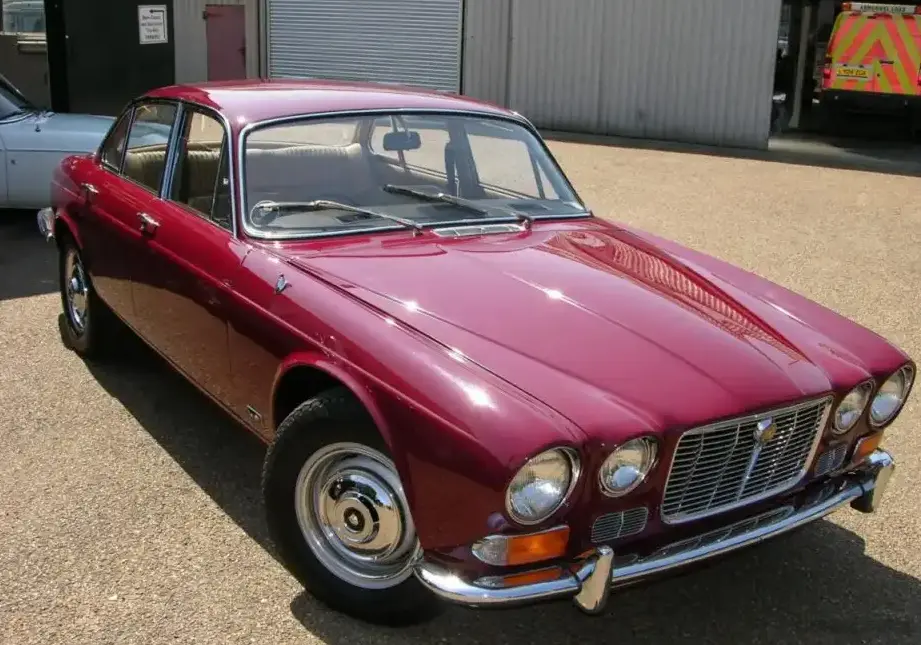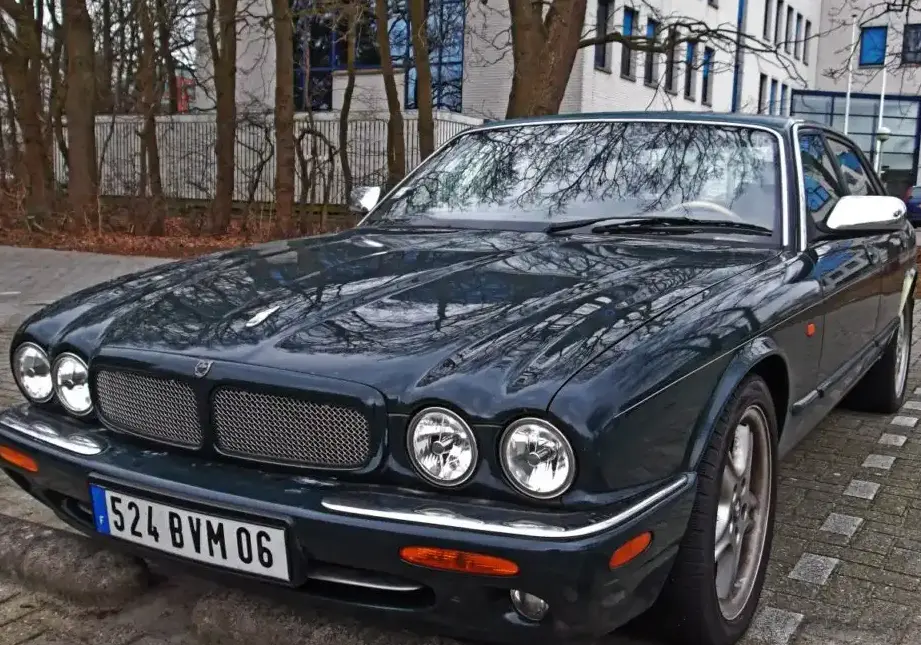
The Jaguar XJ X308 4.0 V8 Sovereign LBW Automatic, produced between 1997 and 2003, represents a significant evolution in Jaguar’s flagship sedan lineage. Positioned as a premium offering within the X308 range, it bridged the gap between the entry-level 3.2-liter models and the high-performance supercharged variants. The X308 generation itself was a major redesign of the XJ, moving away from the traditional Jaguar styling cues towards a more modern and aerodynamic profile, while retaining the luxury and refinement expected of the brand. This particular variant, with its naturally aspirated 4.0-liter V8 and five-speed automatic transmission, aimed to deliver a balance of performance, comfort, and sophistication for the discerning buyer.
Technical Specifications
| Brand | Jaguar |
| Model | XJ |
| Generation | XJ (X308) |
| Type | 4.0 V8 32V Sovereign LBW (284 Hp) Automatic |
| Start of production | 1997 |
| End of production | 2003 |
| Powertrain Architecture | Internal Combustion engine |
| Body type | Sedan |
| Seats | 5 |
| Doors | 4 |
| Fuel consumption (urban) | 17.2 l/100 km (13.7 US mpg, 16.4 UK mpg, 5.8 km/l) |
| Fuel consumption (extra urban) | 8.9 l/100 km (26.4 US mpg, 31.7 UK mpg, 11.2 km/l) |
| Fuel Type | Petrol (Gasoline) |
| Acceleration 0 – 100 km/h | 7.3 sec |
| Acceleration 0 – 62 mph | 7.3 sec |
| Acceleration 0 – 60 mph | 6.9 sec |
| Maximum speed | 240 km/h (149.13 mph) |
| Weight-to-power ratio | 6.1 kg/Hp, 164.2 Hp/tonne |
| Weight-to-torque ratio | 4.6 kg/Nm, 216.8 Nm/tonne |
| Power | 284 Hp @ 6100 rpm |
| Power per litre | 71.1 Hp/l |
| Torque | 375 Nm @ 4250 rpm (276.59 lb.-ft. @ 4250 rpm) |
| Engine layout | Front, Longitudinal |
| Engine Model/Code | AJ26, AJ27 |
| Engine displacement | 3996 cm3 (243.85 cu. in.) |
| Number of cylinders | 8 |
| Engine configuration | V-engine |
| Cylinder Bore | 86 mm (3.39 in.) |
| Piston Stroke | 86 mm (3.39 in.) |
| Compression ratio | 10.7:1 |
| Number of valves per cylinder | 4 |
| Fuel injection system | Multi-port manifold injection |
| Engine aspiration | Naturally aspirated engine |
| Valvetrain | DOHC |
| Engine oil capacity | 6.5 l (6.87 US qt | 5.72 UK qt) |
| Coolant capacity | 10 l (10.57 US qt | 8.8 UK qt) |
| Kerb Weight | 1730 kg (3814 lbs.) |
| Max. weight | 2260 kg (4982.45 lbs.) |
| Max load | 530 kg (1168.45 lbs.) |
| Trunk (boot) space – minimum | 410 l (14.48 cu. ft.) |
| Fuel tank capacity | 81 l (21.4 US gal | 17.82 UK gal) |
| Length | 5149 mm (202.72 in.) |
| Width | 1799 mm (70.83 in.) |
| Height | 1333 mm (52.48 in.) |
| Wheelbase | 2995 mm (117.91 in.) |
| Front track | 1500 mm (59.06 in.) |
| Rear track | 1498 mm (58.98 in.) |
| Drivetrain Architecture | Rear wheel drive |
| Number of gears | 5 |
| Gearbox type | Automatic transmission |
| Front suspension | Double wishbone |
| Rear suspension | Double wishbone |
| Front brakes | Ventilated discs |
| Rear brakes | Ventilated discs |
| Assisting systems | ABS (Anti-lock braking system) |
| Steering type | Steering rack and pinion |
| Power steering | Hydraulic Steering |
| Tires size | 235/50 R16 |
Powertrain & Engine Architecture
At the heart of the XJ 4.0 Sovereign LBW lies the Jaguar AJ26/AJ27 4.0-liter V8 engine. This engine, a naturally aspirated powerplant, features a 60-degree V-angle and utilizes a cast iron block with aluminum cylinder heads. The engine employs multi-port fuel injection and a double overhead camshaft (DOHC) valvetrain with four valves per cylinder, contributing to its smooth power delivery and relatively high specific output. The ‘LBW’ designation refers to the later iteration of the engine, incorporating improvements to the engine management system and minor refinements for increased reliability. The five-speed automatic transmission, a ZF 5HP24 unit, was chosen for its smoothness and ability to handle the engine’s torque. This transmission featured adaptive shift programming, adjusting shift points based on driving style and conditions. While not as sporty as a manual transmission, the ZF unit provided a comfortable and refined driving experience, perfectly suited to the XJ’s grand touring character.
Driving Characteristics
The 4.0-liter V8, producing 284 horsepower and 375 lb-ft of torque, provided brisk acceleration for the XJ. The 0-60 mph sprint was achievable in around 6.9 seconds, making it a competitive performer in its class. However, the automatic transmission, while smooth, did introduce a slight degree of torque converter slip, diminishing the immediacy of throttle response compared to the manual transmission options available in other XJ models. The gear ratios were tuned for comfortable cruising, with a focus on refinement rather than outright performance. In real-world driving, the XJ 4.0 felt composed and effortless, capable of covering long distances with ease. The suspension, tuned for comfort, absorbed bumps and imperfections in the road surface effectively, providing a smooth and isolated ride.
Equipment & Trim Levels
The Sovereign trim level, as fitted to this variant, represented a significant step up in luxury and features. Standard equipment included Connolly leather upholstery, burled walnut wood trim, automatic climate control, power-adjustable front seats with memory function, and a premium sound system. Optional extras included a sunroof, upgraded audio systems, rear seat entertainment, and various exterior enhancements. The interior layout was classic Jaguar, emphasizing elegance and craftsmanship. The dashboard featured analog gauges, complemented by a central information display providing information on vehicle systems and settings.
Chassis & Braking
The XJ X308 utilized a robust chassis construction, featuring independent double wishbone suspension at both the front and rear. This suspension setup provided a comfortable ride while maintaining good handling characteristics. Braking duties were handled by ventilated disc brakes on all four wheels, assisted by an Anti-lock Braking System (ABS). The braking system provided ample stopping power, although the XJ’s weight did necessitate a firm pedal input. The steering was a hydraulic power-assisted rack and pinion system, offering precise and responsive control.
Market Reception & Comparison
The XJ 4.0 V8 Sovereign LBW Automatic was generally well-received by automotive critics. It was praised for its luxurious interior, comfortable ride, and refined powertrain. However, some critics noted that the automatic transmission lacked the engagement of a manual gearbox, and the fuel economy, at 13.7 mpg in urban conditions, was relatively poor by modern standards. Compared to the 3.2-liter XJ models, the 4.0-liter offered significantly more performance, but at a higher price point. Against the supercharged XJR, it provided a more balanced driving experience, sacrificing some outright speed for greater refinement and fuel efficiency.
Legacy
The Jaguar XJ X308 4.0 V8 Sovereign LBW Automatic remains a desirable classic car today. The AJ26/AJ27 V8 engine, when properly maintained, is known for its reliability and longevity. However, like all older Jaguars, it requires diligent care to prevent issues related to cooling system components and electrical systems. The ZF 5HP24 automatic transmission is also generally reliable, but regular fluid changes are essential. In the used car market, these XJs are sought after by enthusiasts who appreciate their blend of luxury, performance, and classic British styling. They represent a sweet spot in the XJ lineage, offering a refined and enjoyable driving experience without the complexity and cost of the later, more technologically advanced models.