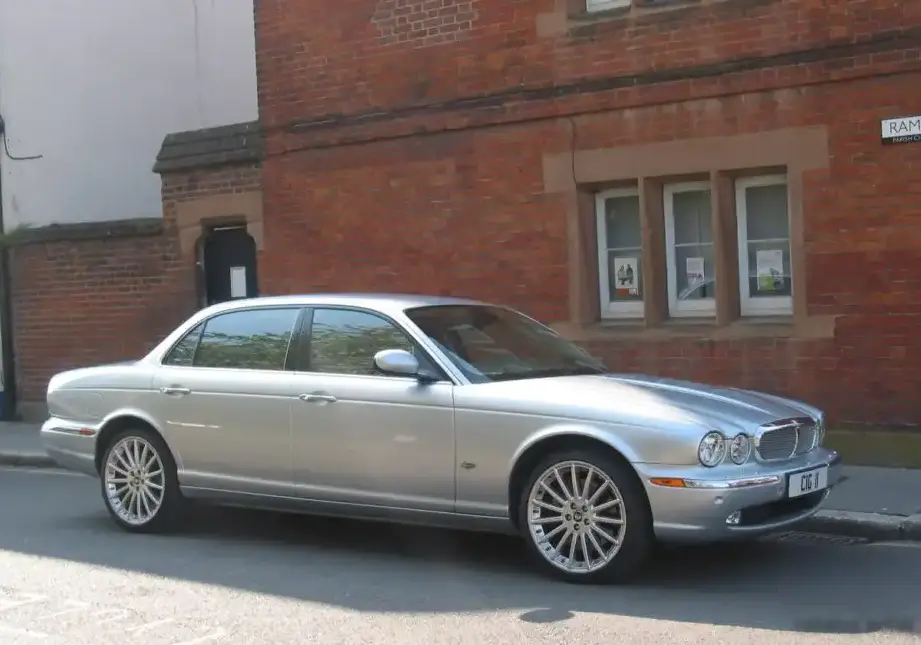
The Jaguar XJ (X350) 3.0 V6, produced between 2003 and 2006, represented a significant step forward for the iconic XJ lineage. Falling within the third generation (X350) of the XJ, this variant offered a compelling blend of luxury, performance, and technology. It served as a key model in Jaguar’s lineup, positioned as a more accessible entry point into the XJ range compared to the flagship V8 models, while still delivering the core Jaguar experience. The X350 generation marked a departure from the previous XJ models with its extensive use of aluminum in the body construction, resulting in a lighter and more rigid chassis. This particular 3.0L V6 automatic configuration aimed to broaden the XJ’s appeal to buyers seeking a refined and capable luxury sedan without the higher price tag associated with the larger engines.
Technical Specifications
| Brand | Jaguar |
| Model | XJ |
| Generation | XJ (X350) |
| Type (Engine) | 3.0 V6 24V (238 Hp) Automatic |
| Start of production | 2003 |
| End of production | 2006 |
| Powertrain Architecture | Internal Combustion engine |
| Body type | Sedan |
| Seats | 5 |
| Doors | 4 |
| Fuel consumption (urban) | 15.3 l/100 km (15.4 US mpg, 18.5 UK mpg, 6.5 km/l) |
| Fuel consumption (extra urban) | 7.7 l/100 km (30.5 US mpg, 36.7 UK mpg, 13 km/l) |
| Fuel consumption (combined) | 10.5 l/100 km (22.4 US mpg, 26.9 UK mpg, 9.5 km/l) |
| Fuel Type | Petrol (Gasoline) |
| Acceleration 0 – 100 km/h | 8.1 sec |
| Acceleration 0 – 62 mph | 8.1 sec |
| Acceleration 0 – 60 mph | 7.7 sec |
| Maximum speed | 233 km/h (144.78 mph) |
| Weight-to-power ratio | 6.5 kg/Hp, 154 Hp/tonne |
| Weight-to-torque ratio | 5.3 kg/Nm, 189.6 Nm/tonne |
| Power | 238 Hp @ 6800 rpm |
| Power per litre | 80.2 Hp/l |
| Torque | 293 Nm @ 4500 rpm (216.11 lb.-ft. @ 4500 rpm) |
| Engine layout | Front, Longitudinal |
| Engine Model/Code | AJ30 |
| Engine displacement | 2967 cm3 (181.06 cu. in.) |
| Number of cylinders | 6 |
| Engine configuration | V-engine |
| Cylinder Bore | 89 mm (3.5 in.) |
| Piston Stroke | 79.5 mm (3.13 in.) |
| Compression ratio | 10.5:1 |
| Number of valves per cylinder | 4 |
| Fuel injection system | Multi-port manifold injection |
| Engine aspiration | Naturally aspirated engine |
| Valvetrain | DOHC |
| Engine oil capacity | 6.5 l (6.87 US qt | 5.72 UK qt) |
| Coolant capacity | 10.25 l (10.83 US qt | 9.02 UK qt) |
| Kerb Weight | 1545 kg (3406.14 lbs.) |
| Max. weight | 2170 kg (4784.03 lbs.) |
| Max load | 625 kg (1377.89 lbs.) |
| Trunk (boot) space – minimum | 470 l (16.6 cu. ft.) |
| Fuel tank capacity | 85 l (22.45 US gal | 18.7 UK gal) |
| Length | 5090 mm (200.39 in.) |
| Width | 1860 mm (73.23 in.) |
| Height | 1448 mm (57.01 in.) |
| Wheelbase | 3034 mm (119.45 in.) |
| Front track | 1556 mm (61.26 in.) |
| Rear (Back) track | 1546 mm (60.87 in.) |
| Drivetrain Architecture | Rear wheel drive |
| Number of gears and type of gearbox | 6 gears, automatic transmission |
| Front suspension | Hydro-pneumatic element |
| Rear suspension | Hydro-pneumatic element |
| Front brakes | Ventilated discs |
| Rear brakes | Ventilated discs |
| Assisting systems | ABS (Anti-lock braking system) |
| Steering type | Steering rack and pinion |
| Tires size | 235/45 R17 |
Powertrain & Engine Architecture
The heart of the XJ 3.0 V6 is the AJ30 engine, a naturally aspirated 3.0-liter V6. This engine utilizes a 60-degree V-angle configuration, contributing to its smooth operation and relatively compact size. The AJ30 features multi-port fuel injection and a double overhead camshaft (DOHC) valvetrain with four valves per cylinder. This configuration allows for efficient cylinder filling and improved breathing, contributing to the engine’s 238 horsepower output. The engine’s block is constructed from aluminum alloy, aiding in weight reduction. Paired with this engine is a six-speed automatic transmission, designed to provide smooth and refined gear changes. This transmission was a significant upgrade over the older four-speed units found in previous XJ models, offering improved acceleration and fuel efficiency. The transmission’s programming was tuned to prioritize comfort and refinement, aligning with the XJ’s luxury character.
Driving Characteristics
The 3.0 V6 automatic XJ offered a distinctly different driving experience compared to its V8 siblings. While lacking the outright acceleration of the higher-powered models, the V6 provided ample power for everyday driving and comfortable highway cruising. The automatic transmission, while smooth, did result in a slightly less engaging driving experience than the available manual transmission. Acceleration from 0-60 mph took approximately 7.7 seconds, which was respectable for a luxury sedan of its size. The gear ratios were optimized for fuel efficiency and relaxed cruising, rather than aggressive performance. The V6 engine delivered its peak torque at 4500 rpm, providing a usable powerband for overtaking and merging onto highways. However, drivers seeking a more sporty driving experience might find the V6’s power delivery somewhat lacking compared to the more responsive V8 engines.
Equipment & Trim Levels
The XJ 3.0 V6 typically came well-equipped, reflecting Jaguar’s commitment to luxury. Standard features included leather upholstery, wood veneer trim, automatic climate control, a premium sound system, and power-adjustable front seats. Optional extras included a navigation system, heated seats (front and rear), a sunroof, and upgraded leather options. The XJ 3.0 V6 often served as the base model, with the V8 variants offering more luxurious appointments and advanced features. Interior color schemes were typically conservative, with options for beige, charcoal, and navy leather. The dashboard layout was characterized by its elegant design and use of high-quality materials.
Chassis & Braking
The XJ (X350) benefited from a significant advancement in chassis technology with its extensive use of aluminum. This resulted in a lighter and more rigid structure, improving handling and ride quality. The suspension system utilized a sophisticated hydro-pneumatic setup, providing a remarkably smooth and comfortable ride. The front and rear suspension were designed to isolate occupants from road imperfections. Braking duties were handled by ventilated discs on all four wheels, coupled with an Anti-lock Braking System (ABS) for enhanced safety. The XJ 3.0 V6’s weight distribution was well-balanced, contributing to its stable handling characteristics.
Market Reception & Comparison
The XJ 3.0 V6 was generally well-received by automotive critics as a more accessible entry point into the XJ range. It was praised for its comfortable ride, refined interior, and relatively good fuel economy compared to the V8 models. However, some critics noted that the V6 engine lacked the performance and prestige of the V8 options. Compared to competitors like the BMW 5 Series and Mercedes-Benz E-Class, the XJ 3.0 V6 offered a unique blend of British luxury and understated elegance. Fuel economy figures averaged around 22.4 US mpg combined, making it a more economical choice than the V8 variants. Reliability was generally good, although the complex hydro-pneumatic suspension system could require occasional maintenance.
Legacy
The Jaguar XJ (X350) 3.0 V6 remains a desirable used car today, particularly for buyers seeking a comfortable and refined luxury sedan at a reasonable price. The AJ30 engine is known for its durability and relatively straightforward maintenance. While the hydro-pneumatic suspension can be a potential source of expense, it also provides a uniquely comfortable ride. The XJ 3.0 V6 represents a sweet spot in the X350 lineup, offering a good balance of performance, luxury, and affordability. Its aluminum construction and advanced features continue to impress, making it a compelling alternative to more modern luxury sedans.