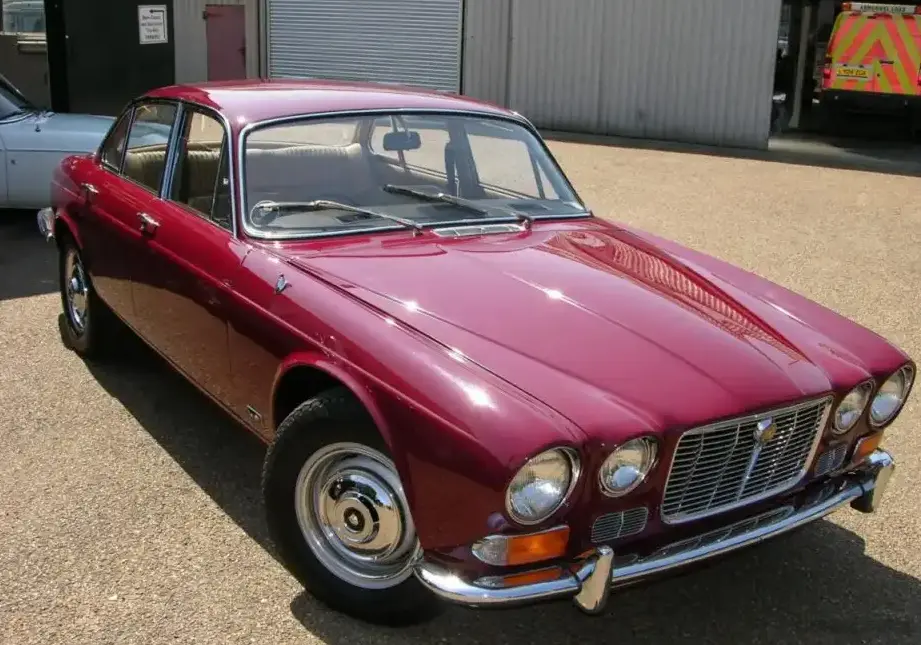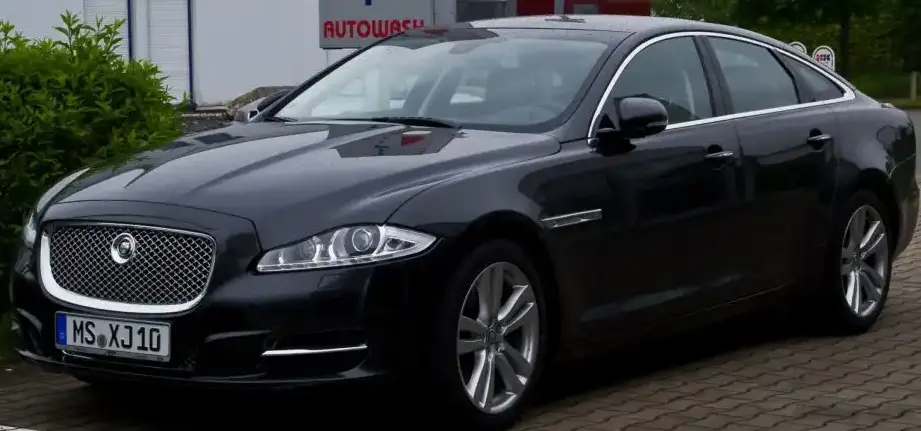
The Jaguar XJ X351 3.0 V6 Supercharged AWD Automatic represents a significant evolution in the iconic XJ lineage, produced from 2012 to 2015. This variant occupied a sweet spot in the XJ range, offering a compelling blend of performance, luxury, and all-weather capability. Built on the X351 platform, which debuted in 2009, this generation XJ moved towards an aluminum-intensive construction, resulting in a lighter and more rigid chassis compared to its predecessors. The 3.0 V6 Supercharged AWD model aimed to provide a more accessible entry point into the XJ experience without sacrificing the brand’s hallmark refinement and driving dynamics. It served as a bridge between the entry-level naturally aspirated V6 models and the flagship long-wheelbase, higher-horsepower supercharged V8 variants.
Technical Specifications
| Brand | Jaguar |
| Model | XJ |
| Generation | XJ (X351) |
| Type (Engine) | 3.0 V6 Supercharged (340 Hp) AWD Automatic |
| Start of production | 2012 year |
| End of production | 2015 year |
| Powertrain Architecture | Internal Combustion engine |
| Body type | Sedan |
| Seats | 5 |
| Doors | 4 |
| Fuel consumption (economy) – urban (NEDC) | 14.4 l/100 km (16.3 US mpg, 19.6 UK mpg, 6.9 km/l) |
| Fuel consumption (economy) – extra urban (NEDC) | 7.8 l/100 km (30.2 US mpg, 36.2 UK mpg, 12.8 km/l) |
| Fuel consumption (economy) – combined (NEDC) | 9.9 l/100 km (23.8 US mpg, 28.5 UK mpg, 10.1 km/l) |
| CO2 emissions (NEDC) | 234 g/km |
| Fuel Type | Petrol (Gasoline) |
| Acceleration 0 – 100 km/h | 6.4 sec |
| Acceleration 0 – 62 mph | 6.4 sec |
| Acceleration 0 – 60 mph | 6.1 sec |
| Maximum speed | 250 km/h (155.34 mph), Electronically limited |
| Emission standard | Euro 5 |
| Weight-to-power ratio | 5.5 kg/Hp, 181.8 Hp/tonne |
| Weight-to-torque ratio | 4.2 kg/Nm, 240.6 Nm/tonne |
| Power | 340 Hp @ 6500 rpm |
| Power per litre | 113.5 Hp/l |
| Torque | 450 Nm @ 3500-5000 rpm (331.9 lb.-ft. @ 3500-5000 rpm) |
| Engine layout | Front, Longitudinal |
| Engine Model/Code | 306PS |
| Engine displacement | 2995 cm3 (182.77 cu. in.) |
| Number of cylinders | 6 |
| Engine configuration | V-engine |
| Cylinder Bore | 84.5 mm (3.33 in.) |
| Piston Stroke | 89 mm (3.5 in.) |
| Compression ratio | 10.5:1 |
| Number of valves per cylinder | 4 |
| Fuel injection system | Direct injection |
| Engine aspiration | Supercharger, Intercooler |
| Valvetrain | DOHC |
| Engine oil capacity | 6.5 l (6.87 US qt | 5.72 UK qt) |
| Coolant | 8.6 l (9.09 US qt | 7.57 UK qt) |
| Kerb Weight | 1870 kg (4122.64 lbs.) |
| Max. weight | 2430 kg (5357.23 lbs.) |
| Max load | 560 kg (1234.59 lbs.) |
| Trunk (boot) space – minimum | 520 l (18.36 cu. ft.) |
| Fuel tank capacity | 82 l (21.66 US gal | 18.04 UK gal) |
| Length | 5127 mm (201.85 in.) |
| Width | 1899 mm (74.76 in.) |
| Width with mirrors folded | 1950 mm (76.77 in.) |
| Width including mirrors | 2105 mm (82.87 in.) |
| Height | 1457 mm (57.36 in.) |
| Wheelbase | 3032 mm (119.37 in.) |
| Front track | 1626 mm (64.02 in.) |
| Rear (Back) track | 1604 mm (63.15 in.) |
| Minimum turning circle (turning diameter) | 12.4 m (40.68 ft.) |
| Drivetrain Architecture | The Internal combustion engine (ICE) drives the rear wheels permanently, and the front wheels are driven through an electrically or mechanically operated clutch if necessary. |
| Drive wheel | All wheel drive (4×4) |
| Number of gears and type of gearbox | 8 gears, automatic transmission |
| Front suspension | Coil spring, Double wishbone, Transverse stabilizer |
| Rear suspension | Independent multi-link suspension, Air suspension, Transverse stabilizer |
| Front brakes | Ventilated discs, 355 mm |
| Rear brakes | Ventilated discs, 326 mm |
| Assisting systems | ABS (Anti-lock braking system) |
| Steering type | Steering rack and pinion |
| Power steering | Hydraulic Steering |
| Tires size | Front wheel tires: 245/45 R19; 245/40 R20Rear wheel tires: 275/40 R19; 275/35 R20 |
| Wheel rims size | Front wheel rims: 9J x 19; 9J x 20Rear wheel rims: 10J x 19; 10J x 20 |
Powertrain & Engine Architecture
At the heart of the XJ 3.0 V6 Supercharged AWD lies Jaguar’s AJ306 engine. This 3.0-liter V6 utilizes a roots-type supercharger, providing instant boost and a broad torque curve. The engine employs direct fuel injection, enhancing efficiency and responsiveness. The engine code 306PS indicates the metric horsepower rating. The valvetrain features dual overhead camshafts (DOHC) with four valves per cylinder, optimizing airflow for increased power output. The engine is longitudinally mounted in the front of the vehicle. The eight-speed automatic transmission, sourced from ZF, is a crucial component of this powertrain. This transmission offers smooth and quick shifts, contributing to both performance and fuel economy. The AWD system is primarily rear-wheel drive, with the front wheels engaging as needed to provide additional traction.
Driving Characteristics
The 3.0 V6 Supercharged AWD delivers a refined and capable driving experience. The supercharger provides ample low-end torque, making for effortless acceleration in everyday driving situations. While not as brutally fast as the V8 models, the 3.0L engine offers a 0-60 mph time of around 6.1 seconds, which is more than adequate for most drivers. The eight-speed automatic transmission is well-tuned, providing seamless gear changes and contributing to a comfortable ride. The AWD system enhances stability and grip, particularly in inclement weather. Compared to the rear-wheel-drive variants, the AWD model offers increased confidence in slippery conditions. The gear ratios are optimized for a balance of acceleration and fuel efficiency, with taller gears for highway cruising.
Equipment & Trim Levels
The XJ 3.0 V6 Supercharged AWD typically came well-equipped, reflecting Jaguar’s commitment to luxury. Standard features included leather upholstery, wood veneer trim, a premium audio system, and a touchscreen infotainment system. Optional extras included features like rear-seat entertainment, massaging seats, and upgraded leather options. Trim levels varied depending on the market, but generally, this variant sat in the mid-range of the XJ lineup, offering a step up in performance and features compared to the base models.
Chassis & Braking
The XJ X351 boasts an aluminum chassis, contributing to its relatively low weight. The front suspension utilizes a double wishbone setup with coil springs and a transverse stabilizer bar, while the rear suspension features an independent multi-link design with air suspension and a transverse stabilizer bar. This combination provides a comfortable and controlled ride. The braking system consists of ventilated discs on all four wheels, with larger discs at the front (355mm) compared to the rear (326mm). Anti-lock braking system (ABS) is standard, enhancing safety and control during hard braking.
Market Reception & Comparison
The Jaguar XJ 3.0 V6 Supercharged AWD was generally well-received by automotive critics. It was praised for its blend of performance, luxury, and all-weather capability. Fuel economy was considered reasonable for a vehicle of its size and performance, averaging around 23.8 US mpg in combined driving. Compared to the naturally aspirated V6 models, the supercharged variant offered a significant performance boost. Compared to the V8 models, it provided a more affordable entry point into the XJ range without sacrificing too much in terms of refinement and driving experience. Reliability was generally good, although some owners reported minor issues with the infotainment system.
Legacy
The Jaguar XJ X351 3.0 V6 Supercharged AWD remains a desirable used car today. The AJ306 engine is known for its durability and relatively straightforward maintenance. The eight-speed ZF transmission is also highly regarded for its reliability. While the X351 generation XJ has been superseded by newer models, it continues to offer a compelling combination of luxury, performance, and value. The aluminum construction and sophisticated powertrain contribute to its enduring appeal, making it a popular choice for enthusiasts seeking a refined and capable luxury sedan.