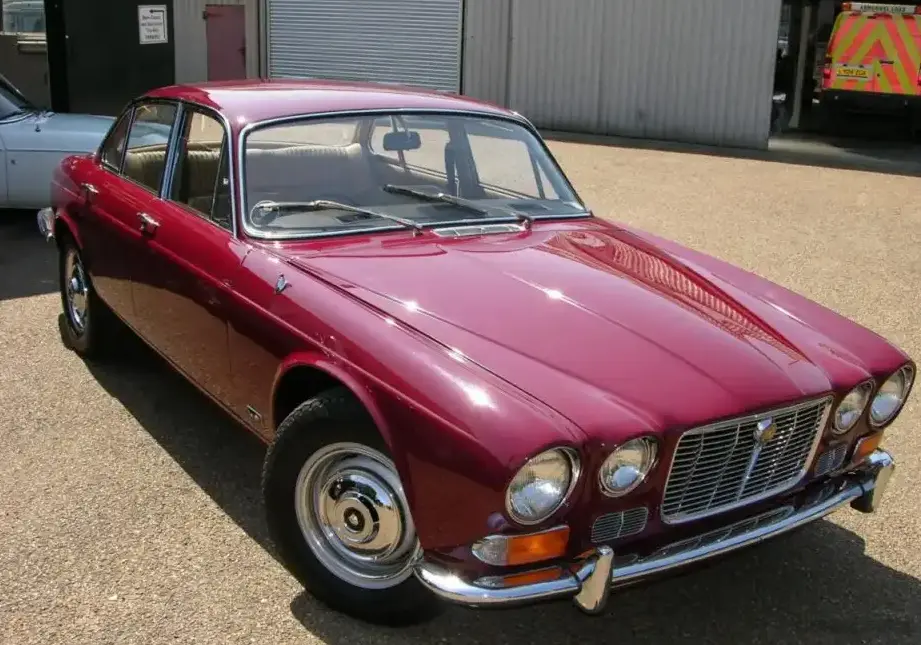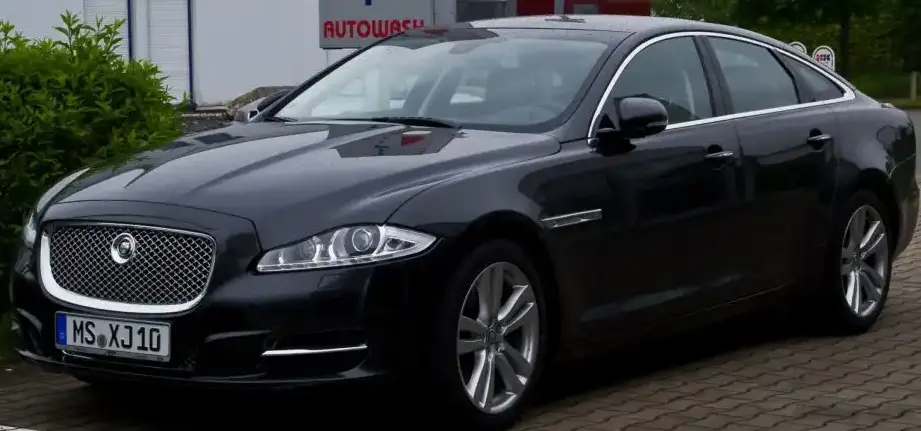
The Jaguar XJ X351 3.0d V6, produced from 2009 to 2012, represented a significant step forward for the flagship Jaguar sedan. This variant, equipped with a 275 horsepower turbodiesel engine and a six-speed automatic transmission, aimed to blend the XJ’s traditional luxury with improved fuel efficiency and a broader appeal in the executive car segment, particularly in European markets. It occupied a middle ground in the XJ lineup, offering a compelling alternative to the supercharged petrol variants and providing a more economical option without sacrificing the core Jaguar experience. The X351 generation marked a departure from the previous XJ’s styling, adopting a more contemporary and sculpted design language.
Technical Specifications
| Brand | Jaguar |
| Model | XJ |
| Generation | XJ (X351) |
| Type (Engine) | 3.0d V6 (275 Hp) Automatic 6-speed |
| Start of production | 2009 year |
| End of production | 2012 year |
| Powertrain Architecture | Internal Combustion engine |
| Body type | Sedan |
| Seats | 5 |
| Doors | 4 |
| Fuel consumption (economy) – urban (NEDC) | 9.6 l/100 km (24.5 US mpg, 29.4 UK mpg, 10.4 km/l) |
| Fuel consumption (economy) – extra urban (NEDC) | 5.6 l/100 km (42 US mpg, 50.4 UK mpg, 17.9 km/l) |
| Fuel consumption (economy) – combined (NEDC) | 7 l/100 km (33.6 US mpg, 40.4 UK mpg, 14.3 km/l) |
| CO2 emissions (NEDC) | 184 g/km |
| Fuel Type | Diesel |
| Acceleration 0 – 100 km/h | 6.4 sec |
| Acceleration 0 – 62 mph | 6.4 sec |
| Acceleration 0 – 60 mph | 6 sec |
| Maximum speed | 250 km/h (155.34 mph), Electronically limited |
| Emission standard | Euro 5 |
| Weight-to-power ratio | 6.5 kg/Hp, 153.1 Hp/tonne |
| Weight-to-torque ratio | 3 kg/Nm, 334.1 Nm/tonne |
| Power | 275 Hp @ 4000 rpm |
| Power per litre | 91.9 Hp/l |
| Torque | 600 Nm @ 2000 rpm (442.54 lb.-ft. @ 2000 rpm) |
| Engine layout | Front, Longitudinal |
| Engine Model/Code | 306DT |
| Engine displacement | 2993 cm3 (182.64 cu. in.) |
| Number of cylinders | 6 |
| Engine configuration | V-engine |
| Cylinder Bore | 84 mm (3.31 in.) |
| Piston Stroke | 90 mm (3.54 in.) |
| Compression ratio | 16:1 |
| Number of valves per cylinder | 4 |
| Fuel injection system | Diesel Commonrail |
| Engine aspiration | BiTurbo, Intercooler |
| Valvetrain | DOHC |
| Engine oil capacity | 6.6 l (6.97 US qt | 5.81 UK qt) |
| Coolant | 12.3 l (13 US qt | 10.82 UK qt) |
| Kerb Weight | 1796 kg (3959.5 lbs.) |
| Max. weight | 2365 kg (5213.93 lbs.) |
| Max load | 569 kg (1254.43 lbs.) |
| Trunk (boot) space – minimum | 520 l (18.36 cu. ft.) |
| Fuel tank capacity | 82 l (21.66 US gal | 18.04 UK gal) |
| Length | 5127 mm (201.85 in.) |
| Width | 1894 mm (74.57 in.) |
| Width with mirrors folded | 1950 mm (76.77 in.) |
| Width including mirrors | 2105 mm (82.87 in.) |
| Height | 1457 mm (57.36 in.) |
| Wheelbase | 3032 mm (119.37 in.) |
| Front track | 1626 mm (64.02 in.) |
| Rear (Back) track | 1604 mm (63.15 in.) |
| Minimum turning circle (turning diameter) | 11.9 m (39.04 ft.) |
| Drive wheel | Rear wheel drive |
| Number of gears and type of gearbox | 6 gears, automatic transmission |
| Front suspension | Coil spring, Double wishbone, Transverse stabilizer |
| Rear suspension | Independent multi-link suspension, Air suspension, Transverse stabilizer |
| Front brakes | Ventilated discs |
| Rear brakes | Ventilated discs |
| Assisting systems | ABS (Anti-lock braking system) |
| Steering type | Steering rack and pinion |
| Power steering | Hydraulic Steering |
| Tires size | Front wheel tires: 245/50 R18; 245/45 R19 Rear wheel tires: 275/45 R18; 275/40 R19 |
| Wheel rims size | Front wheel rims: 8J x 18; 9J x 19 Rear wheel rims: 9J x 18; 10J x 19 |
INTRODUCTION
The Jaguar XJ X351 3.0d V6 was introduced in 2009 as part of the fourth generation of the XJ, internally designated X351. This generation represented a complete redesign, moving away from the traditional Jaguar styling cues and embracing a more modern aesthetic. The 3.0d variant was a key component of Jaguar’s strategy to broaden the XJ’s appeal, offering a diesel option that catered to European preferences for fuel efficiency and lower running costs. Built on the XJ platform (shared with the XF), the X351 aimed to deliver the luxury and refinement expected of a Jaguar, combined with improved performance and technology. Production of this specific configuration continued until 2012, before being superseded by updated versions within the X351 range.
Powertrain & Engine Architecture
At the heart of the XJ 3.0d lies the 306DT engine, a 3.0-liter V6 turbodiesel. This engine utilizes a common rail direct injection system, delivering fuel at extremely high pressure for optimized combustion. The engine is equipped with a sequential twin-turbocharger setup, featuring a small turbocharger for immediate response at low engine speeds and a larger turbocharger for increased power at higher speeds. This configuration helps to mitigate turbo lag and provide a broad torque curve. The engine boasts a compression ratio of 16:1 and a DOHC (Double Overhead Camshaft) valvetrain. The six-speed automatic transmission, sourced from ZF, was specifically calibrated to work with the diesel engine’s torque characteristics. It features a torque converter and offers smooth, refined gear changes. The transmission’s gear ratios are tuned for a balance of acceleration and fuel economy.
Driving Characteristics
The 3.0d V6 automatic offered a distinctly different driving experience compared to the XJ’s petrol-powered siblings. While lacking the outright acceleration of the supercharged models, the 3.0d provided ample torque – 600 Nm (442 lb-ft) – from as low as 2000 rpm. This resulted in strong mid-range acceleration, making it well-suited for effortless cruising and overtaking. The six-speed automatic transmission contributed to a relaxed driving experience, with smooth gear changes and a willingness to hold lower gears for responsive acceleration. Compared to the manual transmission options available on other XJ models, the automatic prioritized comfort and ease of use. The electronically limited top speed of 250 km/h (155 mph) was more than sufficient for most drivers, and the 0-60 mph time of around 6 seconds was respectable for a large luxury sedan.
Equipment & Trim Levels
The XJ 3.0d typically came well-equipped, reflecting its position as a luxury vehicle. Standard features included leather upholstery, wood veneer trim, a premium audio system, automatic climate control, and a comprehensive suite of safety features, including ABS, traction control, and multiple airbags. Higher trim levels offered additional features such as heated and ventilated seats, a rear seat entertainment system, and advanced driver-assistance systems. Optional extras included a panoramic sunroof, upgraded leather options, and various customization choices for interior trim and exterior paint colors. The dashboard layout was characterized by a blend of traditional Jaguar elegance and modern technology, with a focus on user-friendliness.
Chassis & Braking
The XJ X351 featured an all-aluminum chassis, contributing to its relatively low weight for a vehicle of its size. The front suspension utilized a double wishbone configuration with coil springs and a transverse stabilizer bar, while the rear suspension employed an independent multi-link setup with air suspension and a transverse stabilizer bar. The air suspension provided a comfortable ride quality and allowed for adjustable ride height. Braking duties were handled by ventilated discs on all four wheels, providing ample stopping power. The ABS (Anti-lock Braking System) ensured stable braking performance under various conditions. The hydraulic power steering offered precise and responsive steering feel.
Market Reception & Comparison
The XJ 3.0d was generally well-received by automotive critics. It was praised for its refined ride, comfortable interior, and strong fuel economy. The diesel engine was considered a good match for the XJ’s grand touring character, providing sufficient power for long-distance journeys without sacrificing efficiency. Compared to the petrol-powered XJ variants, the 3.0d offered a more affordable entry point into the XJ range. However, some critics noted that the diesel engine lacked the aural excitement of the supercharged petrol engines. Against competitors such as the BMW 7 Series and Mercedes-Benz S-Class, the XJ 3.0d offered a compelling blend of luxury, performance, and value.
Legacy
The Jaguar XJ X351 3.0d V6 has proven to be a relatively reliable powertrain in the used car market. The ZF six-speed automatic transmission is known for its durability, and the diesel engine, while requiring regular maintenance, is generally robust. Common issues include diesel particulate filter (DPF) problems, particularly on vehicles that have primarily been used for short journeys. Today, the X351 3.0d represents a relatively affordable way to experience Jaguar luxury. Its combination of comfort, refinement, and fuel efficiency continues to appeal to buyers seeking a sophisticated and capable grand tourer.