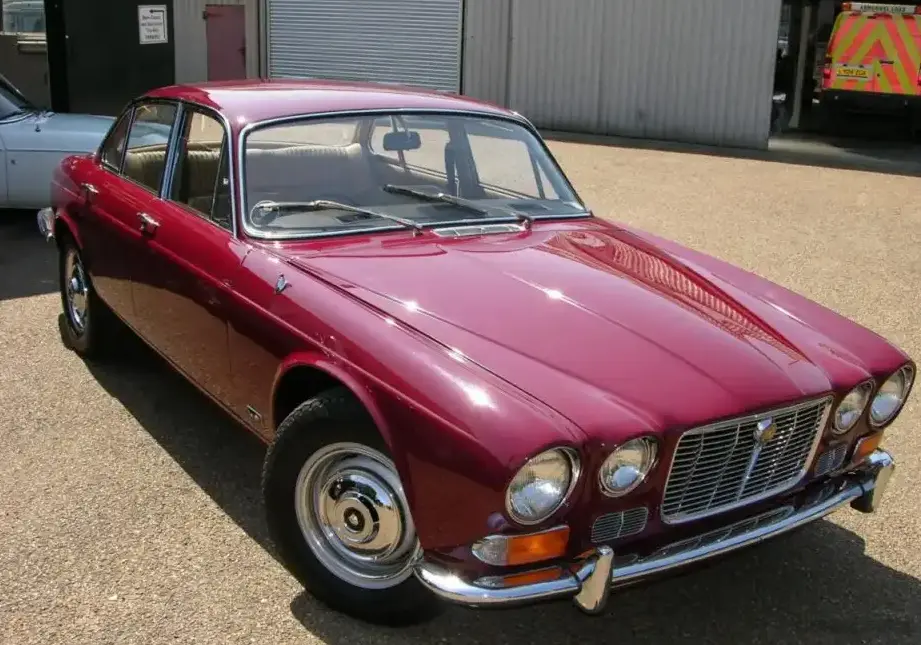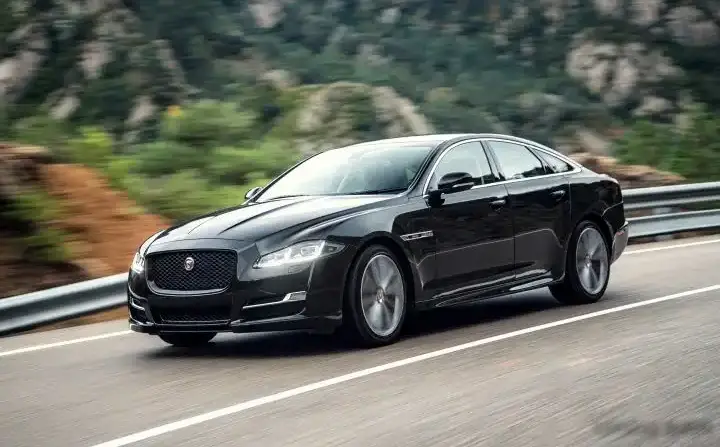
The Jaguar XJ (X351 facelift) 3.0 V6, producing 340 horsepower, represented a significant evolution of Jaguar’s flagship sedan. Introduced for the 2015 model year and continuing through 2018, this variant occupied a key position in the XJ lineup, offering a balance of performance, luxury, and efficiency. It was part of the X351 generation, a model known for its aluminum construction and sophisticated technology. This iteration aimed to modernize the XJ while retaining its traditional British elegance and driving experience, primarily targeting the North American and European markets where large luxury sedans remained popular.
Technical Specifications
| Brand | Jaguar |
| Model | XJ |
| Generation | XJ (X351 facelift 2015) |
| Type (Engine) | 3.0 V6 (340 Hp) Automatic |
| Start of production | 2015 |
| End of production | 2018 |
| Powertrain Architecture | Internal Combustion engine |
| Body type | Sedan |
| Seats | 5 |
| Doors | 4 |
| Fuel consumption (combined) | 9.1 l/100 km |
| Fuel consumption (US mpg) | 25.8 US mpg |
| Fuel consumption (UK mpg) | 31 UK mpg |
| Fuel consumption (km/l) | 11 km/l |
| CO2 emissions | 211 g/km |
| Fuel Type | Petrol (Gasoline) |
| Acceleration 0 – 100 km/h | 5.9 sec |
| Acceleration 0 – 62 mph | 5.9 sec |
| Acceleration 0 – 60 mph | 5.6 sec |
| Maximum speed | 250 km/h (155.34 mph) |
| Emission standard | Euro 6 |
| Weight-to-power ratio | 5.2 kg/Hp, 192.6 Hp/tonne |
| Weight-to-torque ratio | 3.9 kg/Nm, 255 Nm/tonne |
| Power | 340 Hp @ 6500 rpm |
| Power per litre | 113.5 Hp/l |
| Torque | 450 Nm @ 3500-5000 rpm (331.9 lb.-ft. @ 3500-5000 rpm) |
| Engine layout | Front, Longitudinal |
| Engine Model/Code | 306PS |
| Engine displacement | 2995 cm3 (182.77 cu. in.) |
| Number of cylinders | 6 |
| Engine configuration | V-engine |
| Cylinder Bore | 84.5 mm (3.33 in.) |
| Piston Stroke | 89 mm (3.5 in.) |
| Compression ratio | 10.5:1 |
| Number of valves per cylinder | 4 |
| Fuel injection system | Direct injection |
| Engine aspiration | Supercharger, Intercooler |
| Valvetrain | DOHC |
| Engine oil capacity | 7.25 l (7.66 US qt | 6.38 UK qt) |
| Coolant capacity | 8.6 l (9.09 US qt | 7.57 UK qt) |
| Kerb Weight | 1765 kg (3891.16 lbs.) |
| Fuel tank capacity | 80 l (21.13 US gal | 17.6 UK gal) |
| Length | 5130 mm (201.97 in.) |
| Width | 1899 mm (74.76 in.) |
| Width including mirrors | 2105 mm (82.87 in.) |
| Height | 1460 mm (57.48 in.) |
| Wheelbase | 3032 mm (119.37 in.) |
| Front track | 1626 mm (64.02 in.) |
| Rear track | 1604 mm (63.15 in.) |
| Drivetrain | Rear wheel drive |
| Number of gears | 8 |
| Gearbox type | Automatic transmission |
| Front suspension | Double wishbone |
| Rear suspension | Double wishbone |
| Front brakes | Ventilated discs |
| Rear brakes | Ventilated discs |
| Steering type | Steering rack and pinion |
| Power steering | Electric |
Powertrain & Engine Architecture
At the heart of the XJ 3.0 V6 was Jaguar’s AJ306 engine, a 2.995-liter supercharged V6. This engine, part of the AJ-V6 family, utilized a sixth-generation Eaton supercharger, providing near-instantaneous boost and a characteristic Jaguar power delivery. Direct fuel injection, combined with a double overhead camshaft (DOHC) valvetrain and variable valve timing, optimized both performance and efficiency. The engine’s code, 306PS, indicated its approximate power output in metric horsepower. The eight-speed automatic transmission, sourced from ZF, was a crucial component, offering smooth and responsive shifts. This transmission was specifically tuned to complement the engine’s torque curve, providing optimal acceleration and cruising ability.
Driving Characteristics
The 340 horsepower and 331.9 lb-ft of torque delivered by the 3.0 V6 provided a compelling driving experience. Acceleration from 0-60 mph in around 5.6 seconds was brisk for a large luxury sedan. While not as overtly sporty as some of its German rivals, the XJ offered a refined and comfortable ride. The supercharger provided ample power for overtaking maneuvers, and the eight-speed automatic transmission ensured the engine remained in its optimal power band. Compared to the XJ’s supercharged 5.0-liter V8, the 3.0 V6 offered a more fuel-efficient alternative without sacrificing a significant amount of performance. The manual transmission was not offered in this configuration, focusing on the smooth and effortless experience expected from a luxury vehicle.
Equipment & Trim Levels
The 3.0 V6 Automatic trim typically included a generous array of standard features. Leather upholstery, wood veneer trim, a premium sound system, and a touchscreen infotainment system were common. Standard safety features included multiple airbags, ABS, traction control, and stability control. Optional extras included a panoramic sunroof, upgraded leather, rear-seat entertainment, and advanced driver-assistance systems such as adaptive cruise control and blind-spot monitoring. The XJ offered a high degree of customization, allowing buyers to tailor the vehicle to their specific preferences. This trim level generally sat in the mid-range of the XJ lineup, offering a step up from the base models but falling short of the flagship V8 variants.
Chassis & Braking
The XJ’s aluminum-intensive construction contributed to its relatively low weight, enhancing both handling and fuel efficiency. The suspension system featured double wishbones at both the front and rear, providing a comfortable and controlled ride. Ventilated disc brakes were standard on all four wheels, offering ample stopping power. The electronic power steering system provided precise and responsive steering feel. While some higher-performance XJ models featured larger brakes and stiffer suspension components, the 3.0 V6 variant prioritized comfort and refinement over outright track performance.
Market Reception & Comparison
Critics generally praised the XJ 3.0 V6 for its blend of performance, luxury, and efficiency. The supercharged V6 engine was considered a strong performer, and the eight-speed automatic transmission was lauded for its smoothness. Fuel economy was a notable improvement over the V8 models, making it a more attractive option for buyers concerned about running costs. Compared to rivals such as the BMW 7 Series and Mercedes-Benz S-Class, the XJ was often praised for its distinctive styling and British character. However, some critics noted that the infotainment system could be less intuitive than those offered by its German competitors.
Legacy
The Jaguar XJ 3.0 V6 (X351 facelift) has proven to be a relatively reliable powertrain in the used car market. The ZF eight-speed automatic transmission is known for its durability, and the supercharged V6 engine, while requiring regular maintenance, is generally considered robust. Common issues include occasional oil leaks and sensor failures, but these are typically not major concerns. Today, these XJs represent a compelling value proposition for buyers seeking a luxurious and well-equipped sedan at a reasonable price. The combination of British elegance, modern technology, and a capable powertrain ensures that the XJ 3.0 V6 remains a desirable and respected vehicle.