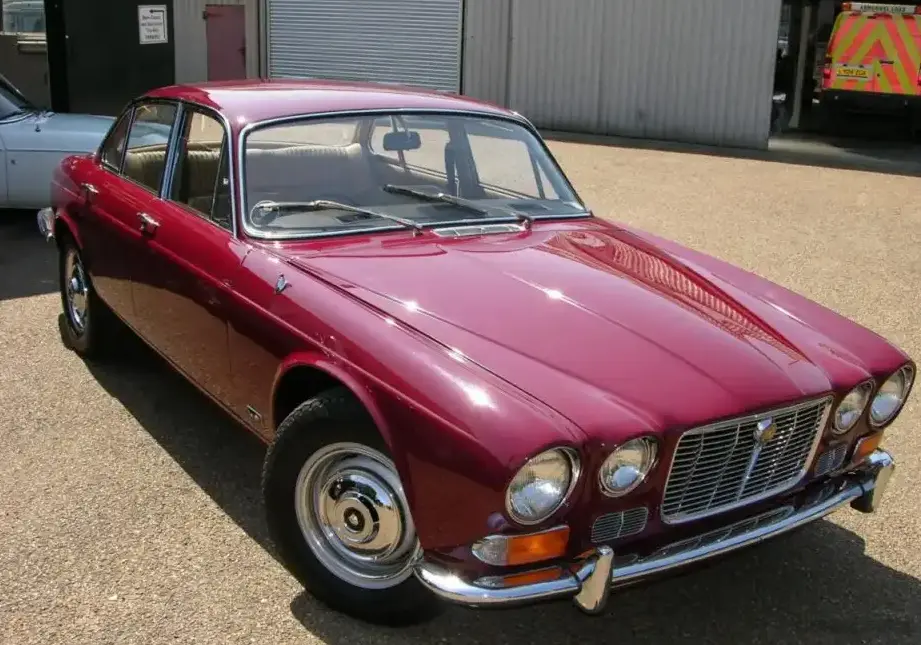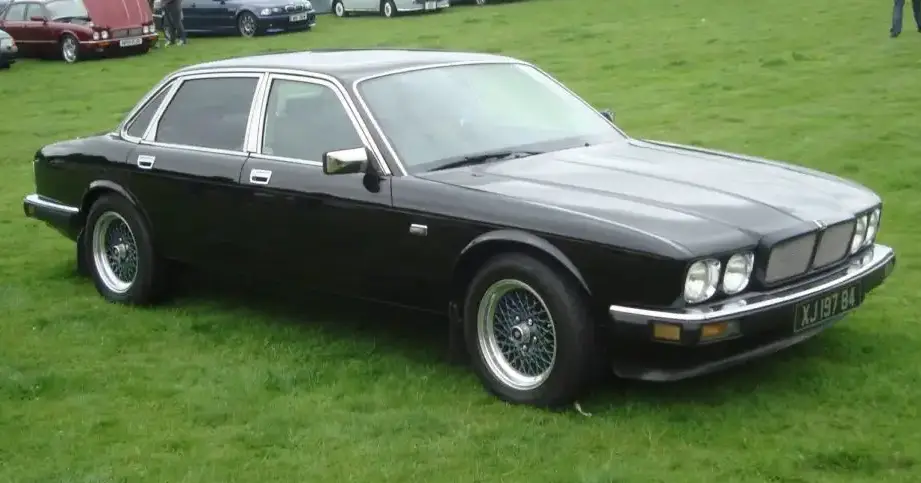
The Jaguar XJ40, later known as the XJ81 following a mid-cycle refresh, represented a significant departure for Jaguar in terms of design and manufacturing processes. Produced between 1986 and 1994, the XJ40 aimed to modernize the iconic XJ series while addressing quality concerns that had plagued the brand in previous years. The 2.9-liter inline-six variant, producing 147 horsepower, was introduced early in the XJ40’s production run and served as the entry point into the XJ range for many buyers, particularly in North America. This model, spanning production years 1986 to 1990, offered a blend of luxury and performance, albeit positioned as a more accessible option compared to the higher-specification V12 models.
Technical Specifications
| Brand | Jaguar |
| Model | XJ |
| Generation | XJ (XJ40/XJ81) |
| Engine Type | 6 2.9 (147 Hp) |
| Start of production | 1986 |
| End of production | 1990 |
| Powertrain Architecture | Internal Combustion engine |
| Body type | Sedan |
| Seats | 5 |
| Doors | 4 |
| Fuel Type | Petrol (Gasoline) |
| Power | 147 Hp |
| Engine aspiration | Naturally aspirated engine |
Introduction
The XJ40 was a crucial model for Jaguar, representing a substantial investment in new technology and manufacturing techniques. It replaced the Series III XJ, which, while elegant, was becoming dated. The XJ40 featured a more aerodynamic design, a revised chassis, and a new independent rear suspension. The 2.9-liter inline-six engine was a key component of the initial lineup, offering a balance between performance and fuel economy. It was designed to appeal to buyers who desired the prestige of a Jaguar but didn’t require the outright power of the V12. The XJ40/XJ81 platform was intended to address reliability issues that had affected earlier Jaguars, and the 2.9-liter engine was considered a relatively robust and dependable unit.
Powertrain & Engine Architecture
The 2.9-liter inline-six engine, internally designated as the AJ6, was a significant development for Jaguar. It featured a lightweight alloy cylinder head and block, contributing to its relatively low weight. The engine utilized a single overhead camshaft (SOHC) design with two valves per cylinder. Fuel injection was handled by a Bosch Motronic system, providing precise fuel metering for improved efficiency and reduced emissions. The engine produced 147 horsepower at 5,500 rpm and 188 lb-ft of torque at 3,500 rpm. The transmission paired with the 2.9-liter engine was typically a three-speed Chrysler Torqueflite automatic. This transmission, while reliable, was somewhat dated by the late 1980s and lacked the sophistication of more modern automatic gearboxes. It featured a torque converter for smooth power delivery and was geared for comfortable cruising rather than sporty acceleration. The automatic transmission was a key factor in the XJ40’s appeal to the American market, where automatics were overwhelmingly preferred. The engine’s design prioritized smoothness and refinement over outright performance, aligning with the XJ40’s positioning as a luxury vehicle.
Driving Characteristics
The 2.9-liter XJ40 offered a comfortable and refined driving experience, but it wasn’t particularly quick. Acceleration from 0 to 60 mph took around 10-11 seconds, which was adequate for the time but lagged behind competitors offering more powerful engines. The three-speed automatic transmission contributed to this leisurely pace, with noticeable gaps between gears. However, the engine provided sufficient torque for effortless cruising on the highway. The XJ40’s suspension, with its independent rear setup, delivered a smooth and controlled ride, absorbing bumps and imperfections in the road with ease. Compared to the V12 models, the 2.9-liter XJ40 felt less powerful but more nimble and balanced, due to its lighter weight. The manual transmission, available in some markets, offered a more engaging driving experience, but the automatic was far more common, especially in the US. The automatic’s gear ratios were optimized for relaxed highway driving, prioritizing fuel efficiency and quiet operation over rapid acceleration.
Equipment & Trim Levels
The 2.9-liter XJ40 typically came equipped with a respectable level of standard features, reflecting Jaguar’s commitment to luxury. Standard equipment included leather upholstery, power windows, power locks, air conditioning, and a premium sound system. Wood veneer trim adorned the dashboard and door panels, adding to the car’s opulent interior. Optional extras included a sunroof, heated seats, and upgraded audio systems. The base trim level offered a comfortable and well-appointed interior, while higher trim levels added more luxurious touches, such as Connolly leather and burl walnut veneer. The XJ40’s interior was designed to provide a relaxing and refined environment for both driver and passengers. Features like cruise control and a trip computer were also frequently included, enhancing the driving experience on long journeys.
Chassis & Braking
The XJ40 featured a monocoque chassis construction, providing a strong and rigid platform. The suspension consisted of independent double wishbones at the front and a fully independent rear suspension, a significant upgrade over the live axle used in previous XJ models. Braking was initially provided by disc brakes at the front and drum brakes at the rear. However, later models, particularly those sold in North America, were often equipped with disc brakes all around. Anti-lock braking system (ABS) was available as an option, enhancing safety and control. The steering was power-assisted, providing light and effortless maneuverability. The chassis and braking systems were designed to provide a comfortable and secure driving experience, complementing the car’s luxurious character. Stabilizer bars were fitted front and rear to reduce body roll during cornering, contributing to the car’s handling stability.
Market Reception & Comparison
The 2.9-liter XJ40 received mixed reviews from automotive critics. While praised for its comfortable ride, luxurious interior, and improved build quality compared to earlier Jaguars, it was often criticized for its relatively modest performance. Compared to the V12 models, the 2.9-liter XJ40 offered a more affordable entry point into the Jaguar brand, but it lacked the prestige and performance of its more expensive siblings. Fuel economy was reasonable for a luxury car of its size, averaging around 17 mpg in city driving and 24 mpg on the highway. Reliability was generally good, although some owners reported issues with the electrical system and the automatic transmission. Compared to rivals such as the BMW 7 Series and Mercedes-Benz S-Class, the XJ40 offered a unique blend of British style and luxury, but it often fell short in terms of performance and technology. The 2.9-liter engine was seen as a good compromise for buyers who prioritized comfort and refinement over outright speed.
Legacy
The 2.9-liter XJ40 remains a popular choice among Jaguar enthusiasts today. Its relative affordability, combined with its classic styling and comfortable ride, makes it an attractive option in the used car market. The AJ6 engine, while not a powerhouse, is generally considered to be reliable and relatively easy to maintain. Parts availability is good, and a thriving community of Jaguar owners provides support and expertise. While the XJ40 may not be the fastest or most technologically advanced car of its era, it represents a significant step forward for Jaguar in terms of quality and refinement. It laid the foundation for the modern Jaguar lineup and continues to be appreciated for its timeless elegance and British charm. The three-speed automatic, while dated, is known for its durability, and with proper maintenance, can provide years of reliable service. The XJ40’s influence can be seen in subsequent Jaguar models, which continued to emphasize luxury, comfort, and a refined driving experience.