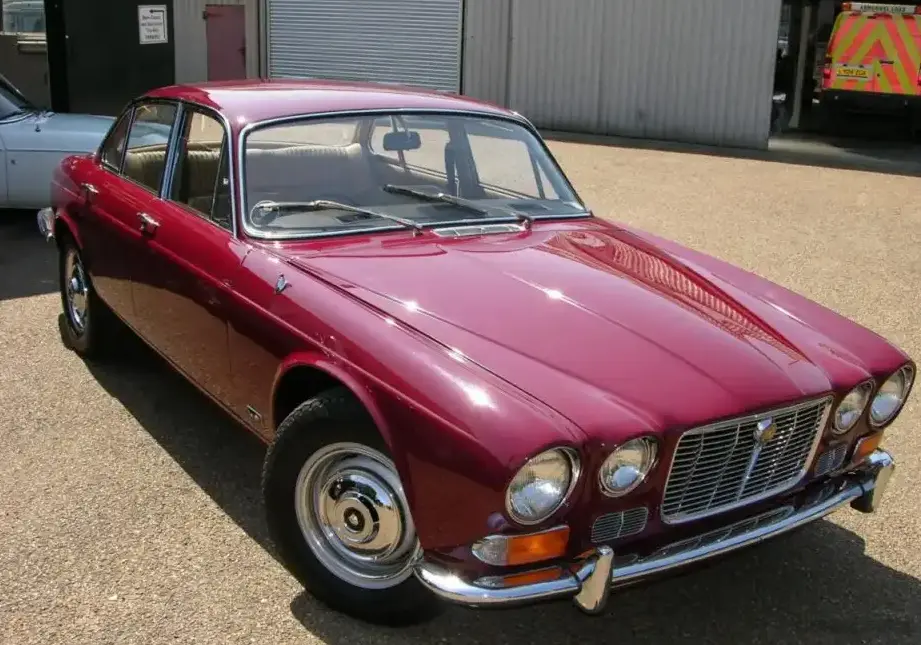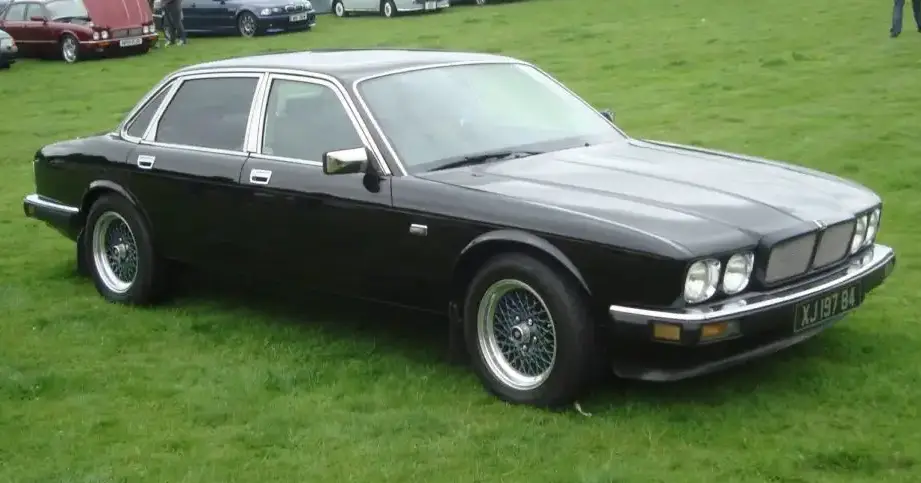
The Jaguar XJ40, later known as the XJ81 following a mid-cycle refresh, represented a significant departure for Jaguar, being the first XJ model to utilize a completely new chassis and engine designs since the original XJ series of the 1960s. Produced between 1986 and 1994, the XJ40 aimed to modernize the XJ lineage while retaining the luxury and refinement expected of the brand. The 2.9-liter inline-six variant, producing 159 horsepower, was introduced early in the production run and served as a key entry point into the XJ range, offering a balance of performance and fuel economy. This model spanned from 1986 to 1990, before the XJ81 update.
Technical Specifications
| Brand | Jaguar |
| Model | XJ |
| Generation | XJ (XJ40/XJ81) |
| Type (Engine) | 6 2.9 (159 Hp) |
| Start of production | 1986 |
| End of production | 1990 |
| Powertrain Architecture | Internal Combustion engine |
| Body type | Sedan |
| Seats | 5 |
| Doors | 4 |
| Fuel Type | Petrol (Gasoline) |
| Power | 159 Hp |
| Engine aspiration | Naturally aspirated engine |
Introduction
The XJ40 was a response to increasing competition from German manufacturers like BMW and Mercedes-Benz. Jaguar needed a modern, reliable, and technologically advanced luxury sedan to maintain its market position. The 2.9-liter engine, designated the AJ6, was a key component of this modernization effort. It replaced the older XK engine that had served Jaguar for decades. The 2.9-liter version was positioned as the base engine for the XJ40, offering a more accessible price point compared to the 3.6-liter and later 4.0-liter variants. It was aimed at buyers who prioritized refinement and fuel efficiency over outright performance. The XJ40/XJ81 platform, while initially plagued with some teething issues, ultimately proved to be a robust and capable foundation for the XJ model line.
Powertrain & Engine Architecture
The AJ6 engine is a 2.9-liter (2934 cc) inline-six cylinder engine. It features a cast iron block with an aluminum cylinder head, a configuration chosen for its balance of strength and weight. The engine utilizes a single overhead camshaft (SOHC) design with four valves per cylinder, operated by a timing chain. Fuel injection is handled by a Bosch Motronic fuel management system, providing precise control over fuel delivery. The 2.9-liter version produced 159 horsepower at 6,000 rpm and 195 lb-ft of torque at 4,000 rpm. The engine’s design emphasized smoothness and quiet operation, characteristics highly valued in the luxury car segment. The transmission paired with the 2.9-liter engine was typically a three-speed automatic, although a five-speed manual was available in some markets, but rarely specified with this engine. The automatic transmission, a ZF 3HP22 unit, was known for its smooth shifts but lacked the responsiveness of more modern automatic gearboxes.
Driving Characteristics
The XJ40 2.9-liter automatic offered a comfortable and refined driving experience, but it wasn’t particularly sporty. Acceleration was adequate for everyday driving, with a 0-60 mph time of around 9.5 seconds. The three-speed automatic transmission, while smooth, meant that the engine often felt strained during quick acceleration or when overtaking. The gear ratios were optimized for fuel economy and cruising comfort rather than outright performance. Compared to the 3.6-liter XJ40, the 2.9-liter model felt noticeably less powerful, especially at higher speeds. However, the 2.9-liter engine’s lighter weight contributed to slightly better handling and fuel economy. The suspension, a double wishbone setup at the front and a semi-trailing arm arrangement at the rear, provided a comfortable ride, absorbing bumps and imperfections in the road effectively.
Equipment & Trim Levels
The 2.9-liter XJ40 typically came with a respectable level of standard equipment, reflecting its luxury car status. Standard features included leather upholstery, power windows, power locks, central locking, and air conditioning. Wood veneer trim was also standard, adding to the interior’s luxurious ambiance. Optional extras included a sunroof, upgraded sound system, and heated seats. The base trim level offered a relatively restrained interior, while higher trim levels featured more extensive leather trim and additional luxury appointments. The XJ40’s interior design was a significant departure from previous XJ models, featuring a more modern and angular dashboard layout. The instrument panel was comprehensive, providing the driver with information on speed, engine temperature, fuel level, and other vital parameters.
Chassis & Braking
The XJ40 featured a monocoque chassis construction, providing a strong and rigid platform. The suspension system, as mentioned earlier, utilized double wishbones at the front and a semi-trailing arm setup at the rear. The braking system consisted of disc brakes at the front and drum brakes at the rear. Anti-lock braking system (ABS) was available as an option, enhancing safety and control during emergency braking. The steering was power-assisted, providing light and effortless steering feel. The XJ40’s chassis was designed to prioritize ride comfort and handling balance. While not a sports car, the XJ40 offered a composed and stable driving experience, even at higher speeds. The rear drum brakes, while adequate for normal driving, were a point of criticism compared to the all-disc brake setups found on some competitors.
Market Reception & Comparison
The XJ40 2.9-liter received mixed reviews from automotive critics. While praised for its refinement, comfort, and build quality, it was often criticized for its lack of performance and the initial reliability issues that plagued early production models. Compared to the 3.6-liter XJ40, the 2.9-liter version was seen as a more sensible and economical choice, but it lacked the same level of driving excitement. Fuel economy was a strong point for the 2.9-liter model, achieving around 18 mpg in city driving and 25 mpg on the highway. Reliability concerns, particularly with the early cars, impacted its reputation. However, later models proved to be more reliable as Jaguar addressed the initial teething problems. The 2.9-liter XJ40 competed with other luxury sedans such as the BMW 5 Series, Mercedes-Benz E-Class, and Audi 100.
Legacy
The XJ40 2.9-liter, despite its initial challenges, played a crucial role in modernizing the Jaguar XJ lineup. The AJ6 engine, while eventually superseded by later designs, proved to be a durable and reliable powerplant when properly maintained. Today, the XJ40 2.9-liter is a relatively affordable entry point into Jaguar ownership, appealing to enthusiasts who appreciate classic British luxury. Parts availability is generally good, and the car’s relatively simple mechanical design makes it relatively easy to maintain. While not a collector’s item in the same vein as some of the earlier XJ models, the XJ40 2.9-liter represents an important chapter in Jaguar’s history, marking a transition to a more modern and technologically advanced era. A well-maintained example offers a comfortable and stylish driving experience, embodying the classic Jaguar spirit.