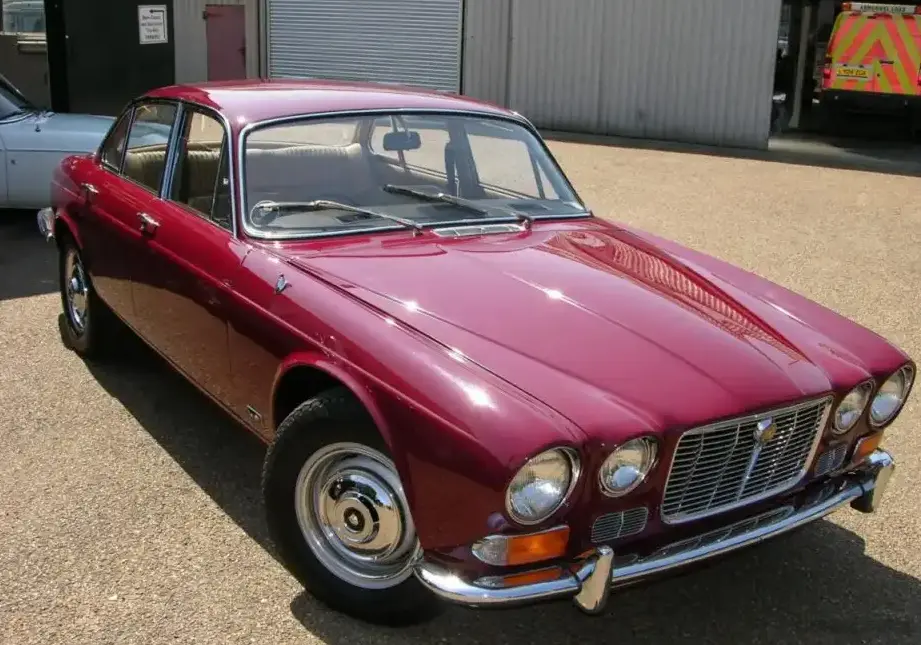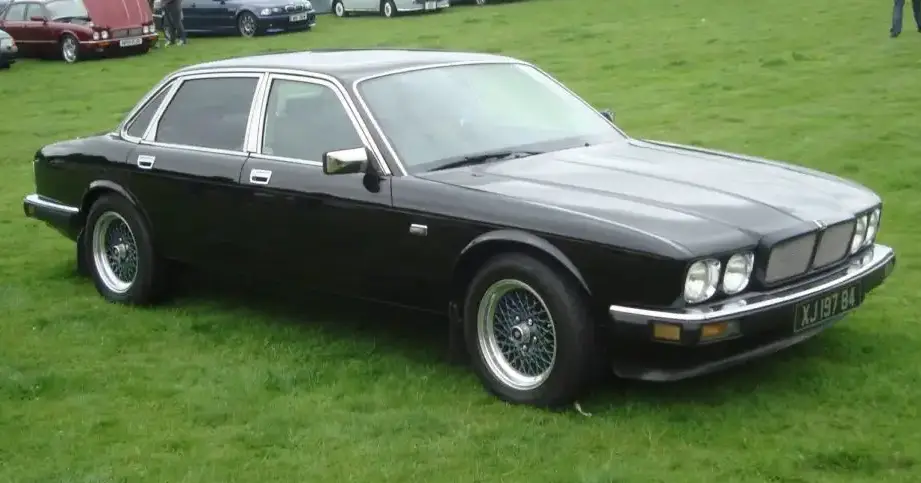
The Jaguar XJ 6 3.2 24V, produced between 1990 and 1994, represents a significant iteration of the XJ series, known internally as the XJ40/XJ81. This variant occupied a middle ground within the XJ lineup, offering a balance of performance and luxury. It aimed to provide a more accessible entry point into the XJ experience compared to the higher-specification models, while still delivering the core Jaguar qualities of refinement and driving pleasure. The XJ40 series, launched in 1986, was a comprehensive redesign of the XJ, intended to modernize the model and address some of the issues of its predecessor. The 3.2-liter engine, introduced later in the production run, became a popular choice for buyers seeking a smooth and capable grand tourer.
Technical Specifications
| Brand | Jaguar |
| Model | XJ |
| Generation | XJ (XJ40/XJ81) |
| Type (Engine) | 6 3.2 24V (199 Hp) |
| Start of production | 1990 |
| End of production | 1994 |
| Powertrain Architecture | Internal Combustion engine |
| Body type | Sedan |
| Seats | 5 |
| Doors | 4 |
| Fuel Type | Petrol (Gasoline) |
| Power | 199 Hp |
| Engine layout | Front, Longitudinal |
| Number of cylinders | 6 |
| Engine configuration | Inline |
| Number of valves per cylinder | 4 |
| Engine aspiration | Naturally aspirated engine |
| Length | 4980 mm (196.06 in) |
| Drivetrain | Rear wheel drive |
| Number of gears | 4 |
| Gearbox type | Automatic transmission |
| Front brakes | Disc |
| Rear brakes | Drum |
| Assisting systems | ABS (Anti-lock braking system) |
Powertrain & Engine Architecture
The heart of the XJ 6 3.2 24V is Jaguar’s AJ6 inline-six engine, displacing 3.2 liters (194 cubic inches). This engine, a development of the earlier AJ6, featured a four-valve-per-cylinder configuration, hence the “24V” designation. The engine utilized a multi-port fuel injection system, managed by an electronic engine control unit (ECU), which optimized fuel delivery for improved performance and efficiency. The AJ6 engine was renowned for its smoothness and relatively high specific output for a naturally aspirated engine of its time. The engine block was constructed from cast iron, while the cylinder head was made from aluminum alloy. The 3.2-liter version benefited from revised intake and exhaust porting, along with a higher compression ratio, contributing to its increased power output compared to the earlier 3.6-liter and 2.9-liter variants. The four-speed automatic transmission, a Chrysler Torqueflite unit, was standard. While reliable, it wasn’t known for its particularly quick shifts, prioritizing smoothness over outright performance.
Driving Characteristics
The XJ 6 3.2 24V offered a refined and comfortable driving experience. The 199 horsepower and 208 lb-ft of torque provided adequate performance for effortless cruising and overtaking. The automatic transmission, while smooth, did detract slightly from the car’s overall responsiveness compared to the manual transmission options available on other XJ models. The gear ratios were geared towards relaxed highway driving, rather than aggressive acceleration. The rear-wheel-drive configuration contributed to balanced handling, although the XJ’s considerable weight (around 3,800 lbs) meant it wasn’t a particularly nimble car. Compared to the XJ12 with its V12 engine, the 3.2-liter offered a more manageable power delivery and significantly better fuel economy. Against the smaller 2.9-liter inline-six, the 3.2 provided a noticeable increase in performance, making it a more satisfying choice for drivers who frequently undertook longer journeys.
Equipment & Trim Levels
The XJ 6 3.2 24V typically came well-equipped, reflecting Jaguar’s commitment to luxury. Standard features included leather upholstery, power-adjustable front seats, air conditioning, a premium sound system, and electric windows and mirrors. Wood veneer trim adorned the dashboard and door panels, adding to the car’s opulent interior. The XJ 6 3.2 24V sat in the mid-range of the XJ lineup. Optional extras included a sunroof, upgraded sound systems, and rear seat entertainment systems. The exterior styling was relatively understated, with a focus on elegant lines and a classic Jaguar silhouette. The car was available in a range of metallic paint colors.
Chassis & Braking
The XJ 6 3.2 24V utilized a traditional body-on-frame construction, although Jaguar employed sophisticated mounting techniques to minimize noise and vibration. The suspension consisted of independent double wishbones at the front and a live axle with trailing arms at the rear. Anti-roll bars were fitted to both axles to reduce body roll during cornering. The braking system featured disc brakes at the front and drum brakes at the rear. An anti-lock braking system (ABS) was standard, enhancing safety and stability under hard braking. The steering was power-assisted, providing light and effortless control.
Market Reception & Comparison
The XJ 6 3.2 24V was generally well-received by automotive critics. It was praised for its smooth engine, comfortable ride, and luxurious interior. However, some reviewers noted the automatic transmission’s lack of responsiveness and the car’s relatively high price. Compared to its German rivals, such as the BMW 7 Series and Mercedes-Benz S-Class, the XJ offered a more traditional British luxury experience, with a greater emphasis on comfort and style. Fuel economy was reasonable for a car of its size and engine capacity, averaging around 17-20 mpg in mixed driving. Reliability was generally good, although the XJ series was known for its complex electrical systems, which could occasionally be prone to faults.
Legacy
The XJ 6 3.2 24V remains a desirable classic car today. The AJ6 engine is known for its durability, and well-maintained examples can still provide years of reliable service. The car’s elegant styling and luxurious interior continue to appeal to enthusiasts. However, potential buyers should be aware of the potential for corrosion, particularly in areas prone to moisture. Parts availability is generally good, although some specific components can be difficult to find. The XJ 6 3.2 24V represents a sweet spot in the XJ lineup, offering a compelling combination of performance, luxury, and value in the used car market. It stands as a testament to Jaguar’s enduring commitment to building refined and sophisticated automobiles.