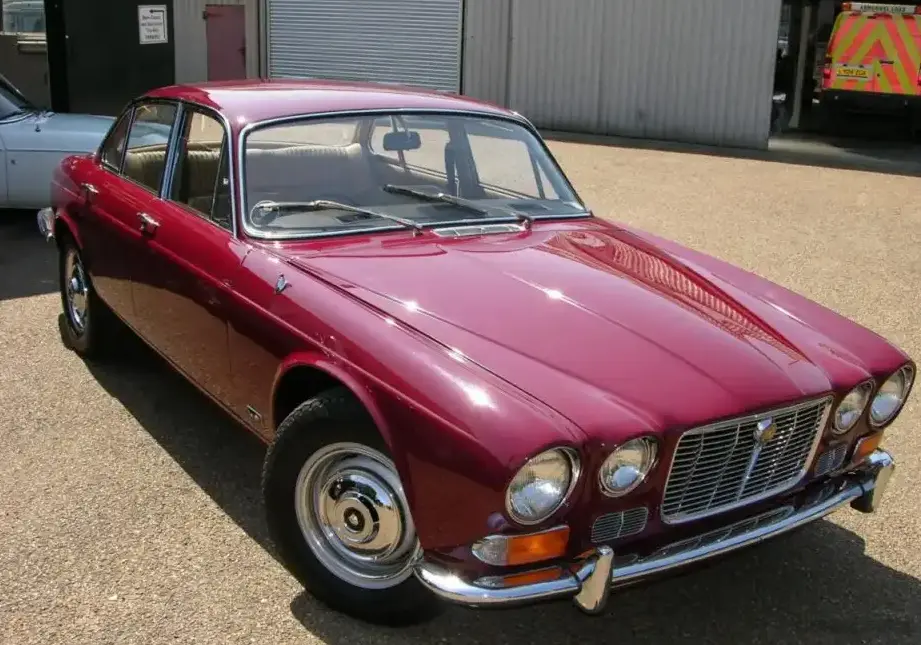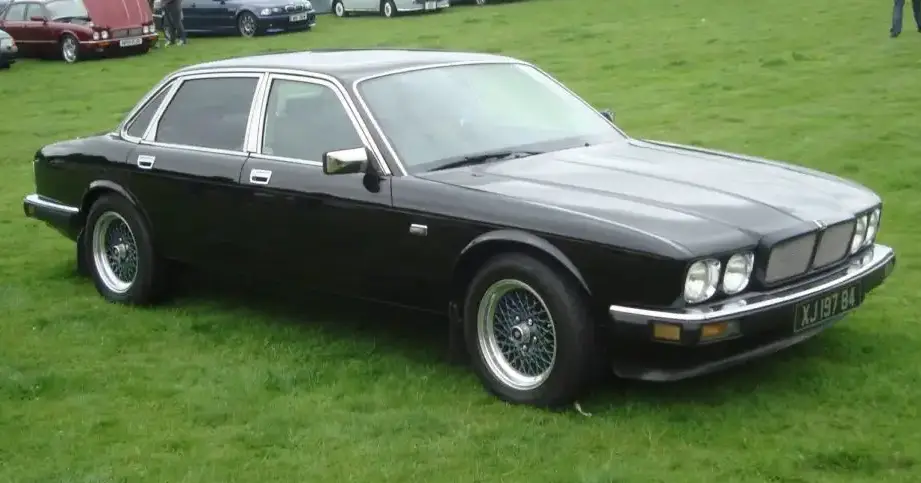
The Jaguar XJ40, produced between 1986 and 1994, represented a significant departure for the British marque, being the first XJ to utilize a completely new chassis and engine lineup in over two decades. Within the XJ40 range, the 3.6-liter inline-six cylinder variant, producing 197 horsepower, occupied a crucial mid-range position. Introduced in 1987, it offered a balance between the entry-level 2.9-liter and the flagship V12 models. This version aimed to provide a refined Jaguar experience with adequate performance for the American market, where larger displacement engines were favored, and for European buyers seeking a comfortable and capable luxury sedan. Production of this specific engine configuration ran from 1986 to 1989, before being superseded by updated versions within the XJ40 lineup.
Technical Specifications
| Brand | Jaguar |
| Model | XJ |
| Generation | XJ (XJ40/XJ81) |
| Type (Engine) | 6 3.6 (197 Hp) |
| Start of production | 1986 |
| End of production | 1989 |
| Powertrain Architecture | Internal Combustion engine |
| Body type | Sedan |
| Seats | 5 |
| Doors | 4 |
| Fuel Type | Petrol (Gasoline) |
| Power | 197 Hp |
| Engine aspiration | Naturally aspirated engine |
Powertrain & Engine Architecture
The heart of the XJ40 3.6 was Jaguar’s AJ6 inline-six engine. This engine, displacing 3.6 liters (219 cubic inches), was a significant advancement over the XK engine it replaced. It featured a lightweight alloy cylinder head with four valves per cylinder, a cast iron block, and a sophisticated fuel injection system developed by Lucas. The fuel injection system utilized a multi-point sequential system, improving fuel efficiency and reducing emissions compared to earlier carbureted Jaguar engines. The engine’s design emphasized smoothness and refinement, characteristics central to the Jaguar brand. The AJ6 produced 197 horsepower at 5,500 rpm and 233 lb-ft of torque at 3,800 rpm. The engine code for this variant is typically identified as AJ6. The transmission paired with the 3.6-liter engine was a three-speed automatic, a Chrysler Torqueflite unit. While not the most modern transmission at the time, it was known for its durability and smooth operation, complementing the engine’s character. The automatic transmission was chosen to appeal to the majority of the XJ’s target market, prioritizing ease of use over outright performance.
Driving Characteristics
The XJ40 3.6 offered a comfortable and refined driving experience. The 197 horsepower engine provided adequate acceleration, capable of propelling the car from 0 to 60 mph in around 8.5 seconds. While not a sports car, the XJ40 3.6 felt brisk and responsive in typical driving situations. The three-speed automatic transmission, while smooth, did have relatively widely spaced gear ratios. This meant that the engine could feel somewhat strained at higher speeds, and kickdown for overtaking required a deliberate amount of throttle input. Compared to the 2.9-liter XJ40, the 3.6 offered noticeably more power and torque, resulting in a more relaxed driving experience, particularly when fully loaded or on inclines. Compared to the V12 models, the 3.6 was less powerful but offered a better balance between performance and fuel economy. The V12, while offering superior performance, was significantly more expensive to maintain and operated with less efficiency.
Equipment & Trim Levels
The XJ40 3.6 was positioned as a mid-range model, offering a good level of standard equipment. Standard features included leather upholstery, power windows, power steering, central locking, and an AM/FM stereo. Air conditioning was also standard. The interior trim was typically finished in wood veneer, adding to the luxurious ambiance. Optional extras included a sunroof, upgraded stereo systems, and heated seats. The XJ40 range offered various trim levels, with the 3.6 often available in both base and Vanden Plas specifications. The Vanden Plas trim added even more luxurious features, such as upgraded leather, wood trim, and additional sound insulation. The dashboard layout was relatively straightforward, with clearly labeled controls and a comprehensive instrument cluster.
Chassis & Braking
The XJ40 featured a fully independent suspension system, providing a comfortable ride and good handling. The front suspension utilized double wishbones with coil springs and anti-roll bar, while the rear suspension employed a similar setup. The chassis was a monocoque construction, providing a rigid and lightweight platform. Braking was initially provided by disc brakes on the front wheels and drum brakes on the rear wheels. However, later models (post-1987) were upgraded with disc brakes all around, improving braking performance. The braking system was hydraulically assisted, providing ample stopping power for the car’s weight. Stabilizer bars were fitted to both the front and rear axles, reducing body roll during cornering.
Market Reception & Comparison
The XJ40 3.6 was generally well-received by critics. It was praised for its comfortable ride, refined engine, and luxurious interior. However, some critics noted the relatively dated three-speed automatic transmission and the car’s somewhat complex electrical systems, which were prone to occasional issues. Fuel economy was reasonable for a car of its size and class, averaging around 17 mpg in city driving and 24 mpg on the highway. Compared to its rivals, such as the BMW 7 Series and Mercedes-Benz S-Class, the XJ40 3.6 offered a more affordable entry point into the luxury sedan segment. The 2.9-liter XJ40 offered better fuel economy but lacked the performance of the 3.6. The V12 models provided superior performance but came with a significantly higher price tag and increased maintenance costs.
Legacy
The Jaguar XJ40 3.6, while not without its flaws, remains a popular classic car today. The AJ6 engine is generally considered to be a reliable unit, although regular maintenance is essential. The three-speed automatic transmission is also relatively durable, but rebuilds can be costly. Parts availability is generally good, although some trim-specific items can be difficult to find. The XJ40 represented a crucial step in Jaguar’s modernization, paving the way for future generations of the XJ. The 3.6-liter variant, in particular, strikes a good balance between performance, refinement, and affordability, making it a desirable choice for enthusiasts seeking a classic Jaguar experience. Well-maintained examples command reasonable prices in the used car market, and the car continues to be appreciated for its elegant styling and luxurious character.