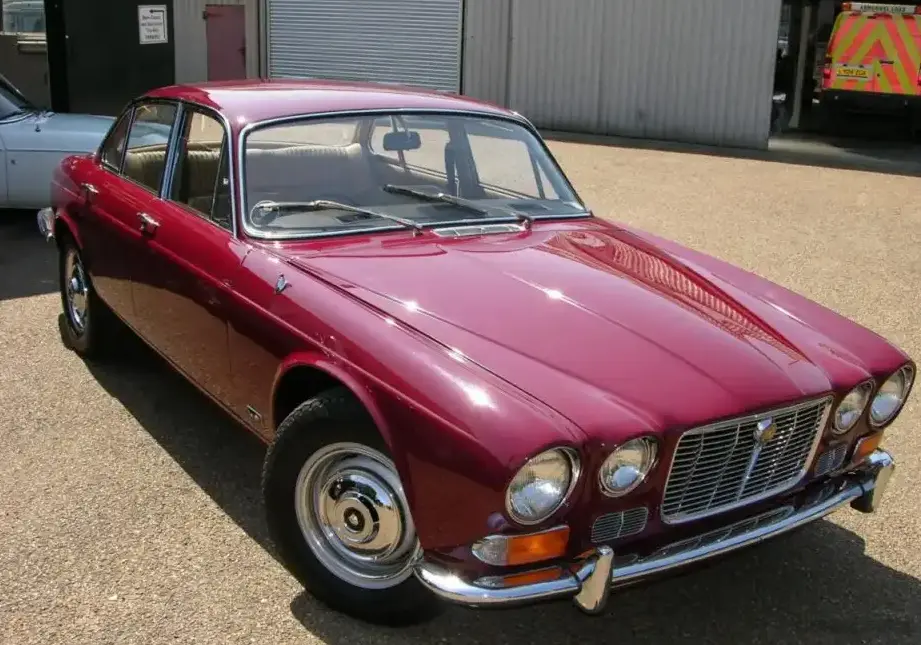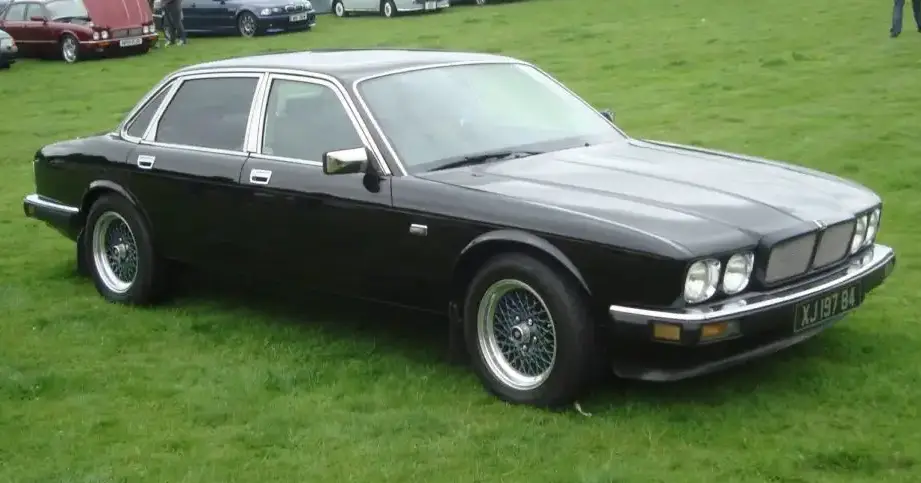
The Jaguar XJ40, produced between 1986 and 1994, represented a significant departure for the British marque, being the first XJ to utilize a completely new chassis and engine designs in over two decades. Within the XJ40 range, the 3.6-liter inline-six cylinder variant, producing 212 horsepower, occupied a crucial mid-range position. Introduced in 1987, it offered a balance between the entry-level 2.9-liter and the flagship V12 models, appealing to buyers seeking a refined and powerful luxury sedan without the added cost and complexity of the twelve-cylinder engine. This variant, often referred to as the XJ81 internally, was a key component in Jaguar’s attempt to modernize its lineup and compete more effectively with German rivals like BMW and Mercedes-Benz.
Technical Specifications
| Brand | Jaguar |
| Model | XJ |
| Generation | XJ (XJ40/XJ81) |
| Type (Engine) | 6 3.6 (212 Hp) |
| Start of production | 1986 |
| End of production | 1989 |
| Powertrain Architecture | Internal Combustion engine |
| Body type | Sedan |
| Seats | 5 |
| Doors | 4 |
| Fuel Type | Petrol (Gasoline) |
| Power | 212 Hp |
| Engine aspiration | Naturally aspirated engine |
Powertrain & Engine Architecture
The heart of the XJ40 3.6 was Jaguar’s AJ6 inline-six engine. This engine, displacing 3.6 liters (219 cubic inches), was a significant advancement over the XK engine it replaced. It featured a lightweight alloy cylinder head with four valves per cylinder, a timing belt driven double overhead camshaft, and a Bosch Motronic fuel injection system. The AJ6 was known for its smooth power delivery and relatively high specific output for its time. The 3.6-liter version utilized a higher compression ratio and larger intake valves compared to the 2.9-liter variant, contributing to its increased horsepower. While a five-speed manual transmission was offered in some markets, the vast majority of XJ40 3.6 models were equipped with a three-speed Chrysler Torqueflite automatic transmission. This transmission, while reliable, was somewhat dated by the late 1980s and lacked the sophistication of more modern automatic gearboxes. It was chosen for its robustness and ability to handle the engine’s torque, but it did contribute to slightly slower acceleration times compared to a manual transmission equipped model.
Driving Characteristics
The XJ40 3.6 offered a distinctly British driving experience – comfortable, refined, and capable. The inline-six engine provided ample power for effortless cruising and confident overtaking. While not a sports car, the XJ40 3.6 could accelerate from 0 to 60 mph in around 7.2 seconds, a respectable figure for a luxury sedan of its era. The automatic transmission, while smooth, did exhibit some noticeable shift delays, particularly during kickdown maneuvers. The suspension, featuring independent double wishbones all around with anti-roll bars, provided a comfortable ride, absorbing bumps and imperfections in the road with ease. Steering was power-assisted and relatively light, making the car easy to maneuver in city traffic. However, it lacked the precision and feedback of some of its German competitors. The overall driving experience was geared towards comfort and refinement rather than outright performance.
Equipment & Trim Levels
The XJ40 3.6 typically came well-equipped, reflecting its position as a luxury vehicle. Standard features included leather upholstery, power windows, power locks, power steering, air conditioning, and a premium sound system. Wood veneer trim adorned the dashboard and door panels, adding to the car’s opulent interior. Optional extras included a sunroof, heated seats, a trip computer, and upgraded audio systems. The XJ40 range offered various trim levels, with the 3.6 often positioned as a mid-range offering. It generally featured more luxurious appointments than the base 2.9-liter model but lacked some of the exclusive features found on the V12 variants, such as Connolly leather and more extensive wood trim. The interior color schemes were typically conservative, with shades of beige, grey, and black being the most common.
Chassis & Braking
The XJ40 featured a monocoque chassis construction, a significant improvement over the separate chassis and body design of its predecessor. This resulted in a lighter and more rigid structure, improving handling and safety. The suspension system, as mentioned previously, utilized independent double wishbones all around. Braking was initially provided by disc brakes on the front wheels and drum brakes on the rear. However, later models (post-1987) were upgraded with disc brakes on all four wheels, providing improved stopping power and balance. Anti-lock braking system (ABS) was available as an option, further enhancing safety. The steering system was a power-assisted rack and pinion setup, offering a good balance between ease of use and road feel.
Market Reception & Comparison
The XJ40 3.6 was generally well-received by automotive critics. It was praised for its comfortable ride, refined interior, and smooth engine. However, it also faced criticism for its somewhat dated automatic transmission and occasionally questionable build quality. Compared to the 2.9-liter XJ40, the 3.6 offered a noticeable performance improvement, making it a more enjoyable car to drive. It also provided a more competitive alternative to rivals like the BMW 5 Series and Mercedes-Benz E-Class. Fuel economy was reasonable for a car of its size and engine displacement, averaging around 17 mpg in city driving and 24 mpg on the highway. Compared to the V12 models, the 3.6 offered a significant cost savings without sacrificing too much in terms of luxury or performance. However, the V12s remained the ultimate expression of Jaguar luxury and performance.
Legacy
The XJ40 3.6, while not without its flaws, played a vital role in Jaguar’s modernization efforts. The AJ6 engine proved to be a durable and reliable powerplant, and many examples are still on the road today. The XJ40 as a whole, despite initial quality concerns, helped to establish Jaguar as a credible competitor in the luxury car market. In the used car market, the XJ40 3.6 represents a relatively affordable entry point into Jaguar ownership. While maintenance can be costly due to the car’s age and complexity, parts availability is generally good. The 3.6-liter engine is considered to be one of the more reliable variants of the XJ40, making it a popular choice among enthusiasts. The car’s classic styling and luxurious interior continue to appeal to collectors and enthusiasts alike, ensuring its place in automotive history.