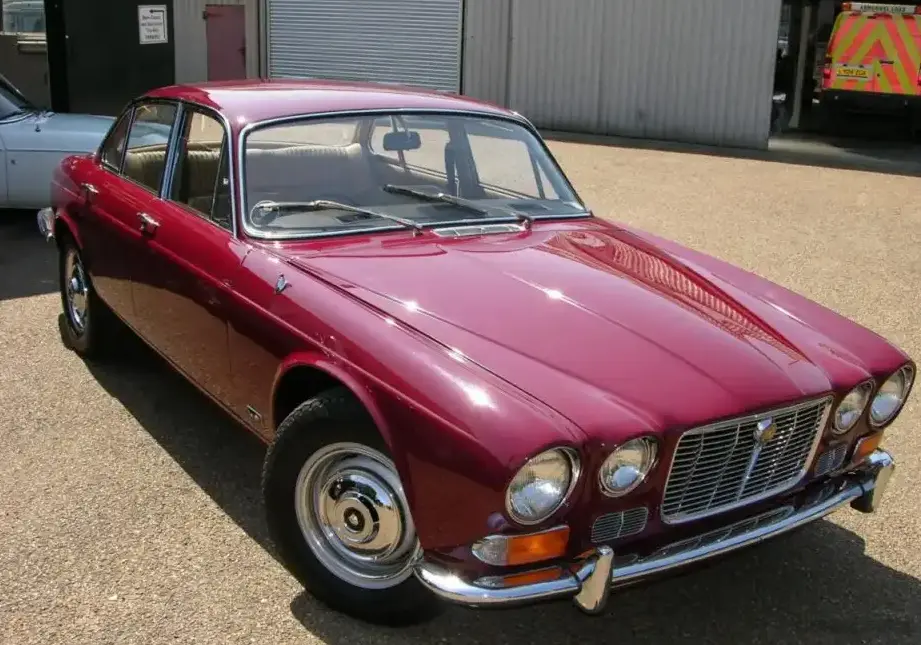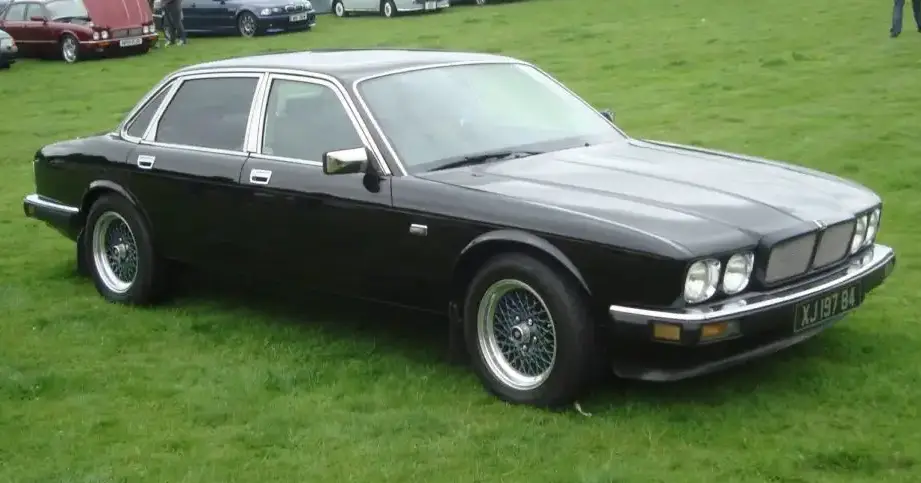
The Jaguar XJ40, later known as the XJ81 following a mid-cycle refresh, represents a significant departure in design and engineering for Jaguar. Produced between 1989 and 1994, it was intended to modernize the XJ lineage and compete with rivals like the BMW 7 Series and Mercedes-Benz S-Class. The 6.0-liter V12 engine was the flagship, but the 4.0-liter inline-six, producing 222 horsepower, offered a compelling blend of performance and refinement, becoming a popular choice for buyers seeking a luxurious yet manageable Jaguar experience. This variant occupied a premium position within the XJ40/XJ81 range, sitting below the V12 models but above the smaller 3.6-liter inline-six and four-cylinder options.
Technical Specifications
| Brand | Jaguar |
| Model | XJ |
| Generation | XJ (XJ40/XJ81) |
| Engine Type | 6 4.0 (222 Hp) |
| Start of production | 1989 |
| End of production | 1994 |
| Powertrain Architecture | Internal Combustion Engine |
| Body type | Sedan |
| Seats | 5 |
| Doors | 4 |
| Fuel Type | Petrol (Gasoline) |
| Power | 222 Hp |
| Engine Aspiration | Naturally Aspirated |
Powertrain & Engine Architecture
The 4.0-liter inline-six engine, designated as the AJ6, was a cornerstone of Jaguar’s engineering prowess. It represented an evolution of the earlier AJ6 engines, featuring a larger displacement and refined fuel management. The engine utilizes a cast-iron block with an aluminum cylinder head, a configuration chosen for its balance of durability and weight reduction. Fuel delivery is managed by a Bosch Motronic engine management system, controlling multi-point fuel injection. The valvetrain employs dual overhead camshafts (DOHC) with four valves per cylinder, contributing to the engine’s smooth power delivery and relatively high specific output for its time. The engine’s architecture prioritized refinement and low-end torque, making it well-suited for the XJ’s grand touring character. While not a high-revving engine, it provided ample power for effortless cruising and confident overtaking. The transmission paired with this engine was typically a four-speed automatic, sourced from ZF. This transmission was known for its smoothness and reliability, further enhancing the luxurious driving experience. It featured electronic control, optimizing shift points for both performance and fuel economy.
Driving Characteristics
The XJ40/XJ81 with the 4.0-liter inline-six and automatic transmission offered a distinctly British driving experience – comfortable, refined, and capable. The 222 horsepower, while not overwhelming by modern standards, provided brisk acceleration. The automatic transmission, while smooth, wasn’t particularly quick to downshift, meaning that the engine sometimes felt slightly strained during aggressive maneuvers. The gear ratios were tuned for relaxed cruising, prioritizing comfort over outright performance. Compared to the V12 models, the 4.0-liter felt more responsive at lower speeds, thanks to its lighter weight and more direct throttle response. Against the smaller 3.6-liter inline-six, the 4.0-liter offered a noticeable increase in power and torque, resulting in a more effortless driving experience, especially when fully loaded or tackling inclines. The XJ’s independent suspension, featuring double wishbones all around, contributed to a comfortable ride, effectively isolating passengers from road imperfections. However, the car’s considerable weight (around 3,800 pounds) meant that it wasn’t particularly agile in corners.
Equipment & Trim Levels
The 4.0-liter XJ40/XJ81 typically came well-equipped, reflecting its position as a premium model. Standard features included leather upholstery, wood veneer trim, power-adjustable front seats, air conditioning, and a premium sound system. Power windows, power door locks, and a sunroof were also commonly included. The XJ81 facelift, introduced in 1993, brought further refinements to the interior, including a redesigned dashboard and improved switchgear. Optional extras included a rear seat entertainment system, upgraded sound systems, and various exterior trim options. The interior ambiance was focused on luxury and comfort, with high-quality materials and meticulous attention to detail. The XJ40/XJ81 offered a range of exterior colors, and buyers could choose from various wheel designs to personalize their vehicle.
Chassis & Braking
The XJ40/XJ81 utilized a robust chassis construction, featuring a monocoque body shell. The suspension system, as mentioned earlier, employed double wishbones all around, providing a comfortable and controlled ride. Anti-roll bars were fitted to both the front and rear axles to reduce body roll during cornering. The braking system consisted of ventilated disc brakes on all four wheels, providing ample stopping power. Anti-lock braking system (ABS) was standard equipment, enhancing safety and stability, particularly in adverse weather conditions. The steering was power-assisted, offering a light and precise feel. The XJ40/XJ81’s chassis was designed to prioritize ride comfort and refinement, rather than outright sporting handling. However, it provided a stable and predictable platform for comfortable long-distance cruising.
Market Reception & Comparison
The Jaguar XJ40/XJ81 4.0-liter received generally positive reviews from automotive critics. It was praised for its luxurious interior, comfortable ride, and refined engine. However, some critics noted the car’s weight and lack of sporting agility. Fuel economy was also a concern, with the 4.0-liter engine returning around 17-20 mpg in mixed driving. Compared to the V12 models, the 4.0-liter offered a better balance of performance and fuel economy, making it a more practical choice for many buyers. Against rivals like the BMW 7 Series and Mercedes-Benz S-Class, the XJ40/XJ81 was often seen as offering a more distinctive and characterful driving experience, albeit with slightly less technological sophistication. Reliability was a mixed bag, with some owners reporting issues with the car’s complex electrical systems. However, the 4.0-liter engine itself was generally considered to be reliable.
Legacy
The Jaguar XJ40/XJ81, including the 4.0-liter variant, represents a pivotal moment in Jaguar’s history. It marked a transition from the traditional, hand-built Jaguars of the past to a more modern, mass-produced approach. While it wasn’t without its flaws, the XJ40/XJ81 helped to modernize the Jaguar brand and attract a new generation of buyers. Today, well-maintained examples of the 4.0-liter XJ40/XJ81 are sought after by classic Jaguar enthusiasts. The 4.0-liter engine is generally considered to be a durable and reliable unit, making these cars relatively easy to maintain. However, finding parts can sometimes be challenging, and the car’s complex electrical systems can require specialized knowledge to diagnose and repair. The XJ40/XJ81 remains a testament to Jaguar’s commitment to luxury, refinement, and distinctive British style.