
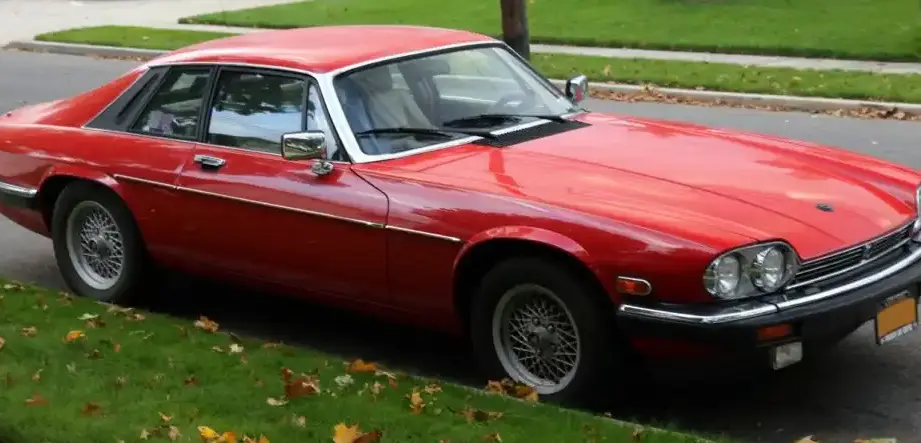
The Jaguar XJS 3.6 Coupe, produced between 1988 and 1992, represented a significant evolution in the XJS lineage. Introduced as a replacement for the aging E-Type, the XJS initially faced criticism for deviating from the classic Jaguar aesthetic. However, the 3.6-liter variant, with its increased power and refined features, helped solidify the XJS’s position as a grand touring coupe. This model occupied a middle ground within the XJS range, offering a balance between performance and luxury, positioned above the base 3.0-liter models and below the high-performance 5.3-liter V12 versions. It was part of the first generation of the XJS (internally designated as Series 1.5), benefitting from improvements made after the initial launch in 1975.
Technical Specifications
| Brand | Jaguar |
| Model | XJS |
| Generation | XJS Coupe |
| Type (Engine) | 3.6 (185 Hp) |
| Start of Production | 1988 |
| End of Production | 1992 |
| Powertrain Architecture | Internal Combustion Engine |
| Body Type | Coupe |
| Fuel Type | Petrol (Gasoline) |
| Engine Power | 185 Hp |
| Engine Aspiration | Naturally Aspirated |
Powertrain & Engine Architecture
The heart of the XJS 3.6 is the AJ6 inline-six cylinder engine, displacing 3.6 liters (3590 cc). This engine represented a substantial upgrade over the earlier 3.0-liter version, featuring a larger bore and stroke. The AJ6 is a naturally aspirated, all-aluminum engine with a single overhead camshaft (SOHC) design operating four valves per cylinder. Fuel delivery is managed by Bosch Motronic fuel injection, a sophisticated system for its time, contributing to improved efficiency and responsiveness. The engine produces 185 horsepower at 5,500 rpm and 208 lb-ft of torque at 4,000 rpm.
The XJS 3.6 was typically paired with a three-speed Chrysler Torqueflite automatic transmission. While not known for its cutting-edge technology, the Torqueflite was a robust and reliable unit, well-suited to the grand touring nature of the XJS. The transmission’s gear ratios were geared towards comfortable cruising, prioritizing smooth shifts over outright acceleration. The final drive ratio varied slightly depending on the specific year and market, but generally fell around 2.93:1.
Driving Characteristics
The XJS 3.6 offered a distinctly different driving experience compared to its siblings. While lacking the raw power of the V12 models, the 3.6 provided ample performance for comfortable and confident grand touring. Acceleration from 0 to 60 mph took approximately 8.5 seconds, and it could achieve a top speed of around 140 mph. The automatic transmission, while smooth, did result in some power loss compared to the available five-speed manual transmission offered on some models. The gear ratios were spaced to provide strong mid-range acceleration, making overtaking maneuvers relatively effortless. However, the automatic transmission could feel somewhat sluggish during quick downshifts. The XJS’s suspension, featuring independent double wishbones all around, provided a comfortable and controlled ride, absorbing bumps and imperfections in the road with ease. The steering, while power-assisted, offered a good level of feedback, contributing to a connected feel.
Equipment & Trim Levels
The XJS 3.6 Coupe came reasonably well-equipped as standard. Leather upholstery was standard, along with power windows, power steering, and central locking. Air conditioning was also a standard feature, essential for comfortable grand touring. The dashboard featured wood veneer trim, adding to the luxurious ambiance. Optional extras included a premium sound system, a sunroof, and heated seats. The XJS 3.6 typically featured a more restrained exterior trim compared to the V12 models, with less chrome detailing. Interior color options were varied, allowing buyers to personalize their vehicles. The standard wheels were alloy, though different designs were available as options.
Chassis & Braking
The XJS 3.6 utilized a monocoque chassis construction, providing a strong and rigid platform. The suspension system consisted of independent double wishbones with coil springs and telescopic dampers all around. Anti-roll bars were fitted to both the front and rear axles, helping to reduce body roll during cornering. The braking system consisted of ventilated disc brakes on all four wheels, providing ample stopping power. Power assistance was standard. The XJS 3.6’s weight distribution was relatively balanced, contributing to its stable handling characteristics. The tires were typically high-speed rated radials, designed to provide good grip and stability at higher speeds.
Market Reception & Comparison
The XJS 3.6 Coupe was generally well-received by automotive critics. It was praised for its comfortable ride, refined interior, and improved performance compared to the earlier 3.0-liter models. However, some critics noted that the automatic transmission could detract from the driving experience. Compared to the V12 versions, the 3.6 offered a more affordable entry point into the XJS range, while still providing a luxurious and enjoyable driving experience. Fuel economy was reasonable for a vehicle of its size and performance, averaging around 17 mpg in city driving and 23 mpg on the highway. Reliability was generally good, although the complex Bosch Motronic fuel injection system could occasionally require attention. Compared to contemporary grand touring coupes from BMW and Mercedes-Benz, the XJS 3.6 offered a unique blend of British style and luxury.
Legacy
The Jaguar XJS 3.6 Coupe holds a respected position among classic Jaguar enthusiasts. The AJ6 engine is known for its durability and relatively straightforward maintenance. While the Torqueflite automatic transmission is not without its limitations, it is a robust unit that can withstand years of use. Today, well-maintained examples of the XJS 3.6 Coupe are sought after by collectors and enthusiasts. Parts availability is generally good, although some specific components can be difficult to find. The XJS 3.6 represents a sweet spot in the XJS lineup, offering a balance of performance, luxury, and affordability. It remains a testament to Jaguar’s commitment to building elegant and refined grand touring coupes.
