
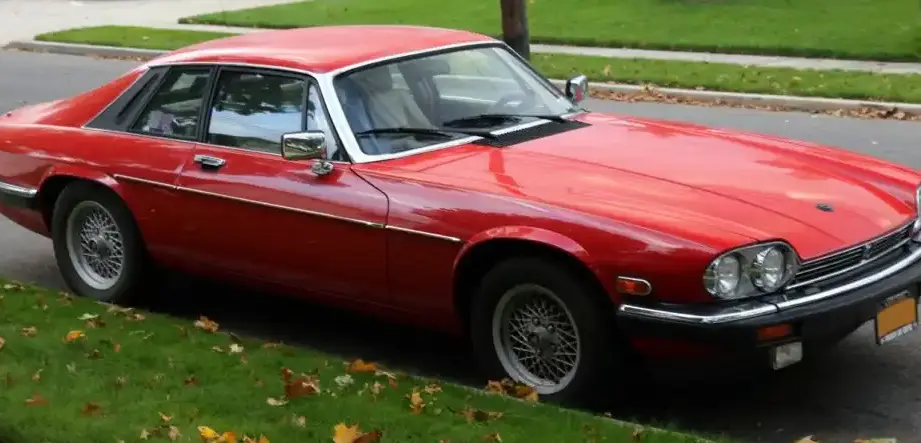
The Jaguar XJS 3.6 Coupe, produced between 1987 and 1989, represented a significant evolution in the XJS lineage. Introduced as a replacement for the aging E-Type, the XJS initially faced criticism for deviating from the E-Type’s sporting image. However, the 3.6-liter variant aimed to address these concerns by offering a more responsive and engaging driving experience compared to the earlier 12-cylinder models. This iteration occupied a middle ground in the XJS range, positioned above the base 2.9-liter models but below the flagship 5.3-liter V12, appealing to buyers seeking a blend of performance and refinement. It was part of the first generation of XJS Coupes, known internally as Series 1.5, incorporating several improvements over the original 1975-1980 designs.
Technical Specifications
| Brand | Jaguar |
| Model | XJS |
| Generation | XJS Coupe |
| Type (Engine) | 3.6 (212 Hp) |
| Start of production | 1987 |
| End of production | 1989 |
| Powertrain Architecture | Internal Combustion Engine |
| Body type | Coupe |
| Fuel Type | Petrol (Gasoline) |
| Power | 212 Hp |
| Engine Aspiration | Naturally Aspirated |
Powertrain & Engine Architecture
The heart of the XJS 3.6 is the AJ6 inline-six engine, a 3.6-liter (3590 cc) naturally aspirated powerplant. This engine, designed by engineers formerly of Coventry Climax, was a significant departure from Jaguar’s traditional V12 configuration. The AJ6 featured a lightweight aluminum cylinder head and block, contributing to its relatively compact size and weight. It utilized a single overhead camshaft (SOHC) design with two valves per cylinder. Fuel delivery was managed by Bosch Motronic fuel injection, a sophisticated system for its time, optimizing fuel efficiency and emissions while providing smooth power delivery. The engine produced 212 horsepower at 5,500 rpm and 220 lb-ft of torque at 4,000 rpm. The transmission paired with the 3.6-liter engine was a three-speed automatic, a ZF 3HP22 unit. While not known for its lightning-fast shifts, this transmission was renowned for its smoothness and durability. The automatic transmission was chosen to appeal to the XJS’s target demographic, prioritizing comfort and ease of driving over outright performance.
Driving Characteristics
The XJS 3.6 offered a noticeably more agile driving experience compared to the V12 models. The reduced weight over the front axle, thanks to the smaller engine, improved steering response and reduced understeer. While the three-speed automatic transmission limited outright acceleration, the engine’s torque provided adequate performance for comfortable cruising and overtaking. The gear ratios were optimized for relaxed highway driving, with a focus on maintaining low engine speeds at cruising speeds. Compared to the 2.9-liter XJS, the 3.6 offered a substantial power increase, resulting in quicker acceleration and a more confident feel. However, it didn’t possess the raw power of the V12, making it a more balanced and accessible option for many drivers. The suspension, a double wishbone setup all around, provided a comfortable ride, absorbing bumps and imperfections in the road effectively.
Equipment & Trim Levels
The XJS 3.6 Coupe came reasonably well-equipped as standard. Leather upholstery was standard, along with power windows, power steering, and central locking. Air conditioning was also a standard feature, essential for comfortable driving in warmer climates. The dashboard featured wood veneer trim, adding a touch of luxury to the interior. Optional extras included a premium sound system, heated seats, and a sunroof. The interior design was generally considered elegant and refined, reflecting Jaguar’s commitment to luxury. The XJS 3.6 typically featured a more restrained exterior appearance compared to the V12 models, with less chrome trim and a more subtle overall aesthetic. Wheel options included a variety of alloy designs, adding to the car’s visual appeal.
Chassis & Braking
The XJS 3.6 utilized a monocoque chassis construction, providing a rigid and lightweight platform. The suspension system consisted of independent double wishbones at all four corners, with coil springs and telescopic dampers. Anti-roll bars were fitted to both the front and rear axles, helping to reduce body roll during cornering. The braking system featured disc brakes on all four wheels, providing ample stopping power. However, the XJS did not initially feature anti-lock brakes (ABS) as standard; this became available as an option in later years. The steering was power-assisted, making it light and easy to maneuver at low speeds. The rear suspension geometry was designed to provide a comfortable ride while maintaining good handling characteristics.
Market Reception & Comparison
The XJS 3.6 was generally well-received by automotive critics. It was praised for its improved performance and handling compared to the earlier 2.9-liter models, while still offering the luxury and refinement expected of a Jaguar. Fuel economy was considered reasonable for a car of its size and performance, averaging around 17 mpg in city driving and 23 mpg on the highway. Compared to the V12 XJS, the 3.6 offered a more affordable entry point into the XJS range, making it accessible to a wider range of buyers. Reliability was generally good, although the Bosch Motronic fuel injection system could occasionally require attention. The 3.6 was often seen as a sweet spot in the XJS lineup, offering a good balance of performance, luxury, and affordability. It competed with other grand touring coupes of the era, such as the BMW 6 Series and the Mercedes-Benz SL.
Legacy
The XJS 3.6 Coupe holds a respected position among Jaguar enthusiasts. The AJ6 engine proved to be a durable and reliable powerplant, and many examples are still on the road today. While the three-speed automatic transmission may seem dated by modern standards, it remains a robust and dependable unit. The XJS 3.6 is often considered a more practical and affordable alternative to the V12 models, making it a popular choice for classic car collectors and enthusiasts. Parts availability is generally good, although some specific trim pieces can be difficult to find. The XJS 3.6 represents a pivotal moment in Jaguar’s history, bridging the gap between the classic E-Type and the more modern XJ-S models. Its blend of performance, luxury, and style continues to appeal to drivers today, ensuring its place as a desirable classic car.
