
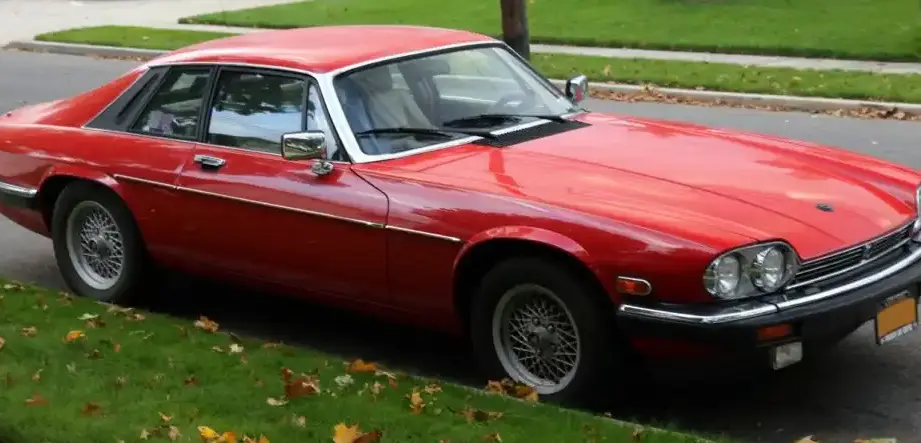
The Jaguar XJS 3.6 Coupe, produced between 1983 and 1988, represents the initial iteration of the XJS line, intended as a successor to the iconic E-Type. Positioned as the entry-level XJS model during its early years, it aimed to offer a blend of grand touring comfort and performance at a more accessible price point than the later V12 versions. The XJS, internally designated as Project XJ27, was a significant departure from the E-Type in terms of styling and engineering, embracing a more modern, angular aesthetic and utilizing a monocoque construction. This initial 3.6-liter inline-six model played a crucial role in establishing the XJS as a viable alternative to contemporary grand tourers from brands like BMW and Mercedes-Benz in the North American and European markets.
Technical Specifications
| Brand | Jaguar |
| Model | XJS |
| Generation | XJS Coupe |
| Type (Engine) | 3.6 (220 Hp) |
| Start of Production | 1983 |
| End of Production | 1988 |
| Powertrain Architecture | Internal Combustion Engine |
| Body Type | Coupe |
| Fuel Type | Petrol (Gasoline) |
| Engine Power | 220 Hp |
| Engine Aspiration | Naturally Aspirated |
Powertrain & Engine Architecture
The heart of the XJS 3.6 is Jaguar’s AJ6 inline-six engine, displacing 3.6 liters (3,608 cc). This engine, a development of the earlier XK6, featured a cast iron block with an aluminum cylinder head. It employed a single overhead camshaft (SOHC) design operating four valves per cylinder, a relatively modern configuration for the early 1980s. Fuel delivery was managed by Bosch Motronic fuel injection, a sophisticated system for the time, contributing to improved efficiency and drivability compared to earlier carbureted Jaguar engines. The AJ6 engine produced 220 horsepower at 5,500 rpm and 233 lb-ft of torque at 4,000 rpm. The engine’s design prioritized smooth power delivery and refinement over outright peak performance. The XJS 3.6 was initially offered exclusively with a three-speed Chrysler TorqueFlite automatic transmission. This transmission, while reliable, was somewhat dated by the mid-1980s and contributed to a less engaging driving experience compared to the five-speed manual transmission that became available on later XJS models, particularly with the 3.6 engine.
Driving Characteristics
The XJS 3.6 Coupe, with its automatic transmission, offered a comfortable and relaxed grand touring experience. Acceleration was respectable for the era, with a 0-60 mph time of around 8.5 seconds, but it wasn’t particularly quick compared to some of its European rivals. The automatic transmission’s gear ratios were geared towards cruising, providing smooth shifts but lacking the responsiveness of a manual gearbox. The car’s weight, approximately 3,600 pounds, also contributed to its somewhat leisurely pace. Handling was generally good, thanks to the independent suspension all around, but the XJS 3.6 wasn’t a particularly sporty car. The emphasis was on comfort and isolation from road imperfections. The steering, while power-assisted, lacked the precision and feedback found in more focused sports coupes. Compared to the later V12 XJS models, the 3.6 offered a lighter, more balanced feel, but at the expense of outright power and prestige.
Equipment & Trim Levels
The XJS 3.6 Coupe was reasonably well-equipped for its price point. Standard features included leather upholstery, power windows, power steering, air conditioning, and a basic stereo system. The interior design was typically Jaguar, with wood veneer trim and a generally luxurious ambiance. Early models featured a simpler dashboard layout compared to later XJS versions. Optional extras included a premium stereo system, sunroof, and upgraded leather options. The XJS 3.6 was positioned as the entry point to the XJS range, so it lacked some of the more luxurious features found on the V12 models, such as automatic climate control and more elaborate interior trim. The car’s trim level was largely consistent throughout its production run, with minor variations in available colors and upholstery options.
Chassis & Braking
The XJS 3.6 Coupe utilized a monocoque chassis construction, providing a good balance of strength and rigidity. The suspension system consisted of independent double wishbones at the front and a fully independent rear suspension with trailing arms and coil springs. This setup provided a comfortable ride and reasonable handling characteristics. Braking was initially accomplished with disc brakes at the front and drum brakes at the rear. Later models (from 1985 onwards) received disc brakes all around, improving stopping performance. The braking system was power-assisted, providing ample stopping power for most driving situations. Anti-lock braking system (ABS) was offered as an optional extra, further enhancing safety. The XJS 3.6’s chassis and braking systems were designed to provide a safe and comfortable driving experience, rather than outright sporting performance.
Market Reception & Comparison
The XJS 3.6 Coupe received mixed reviews upon its launch. Critics praised its elegant styling and luxurious interior, but some found its performance underwhelming, particularly with the automatic transmission. The car was often compared to the BMW 6 Series and Mercedes-Benz SL, both of which offered more engaging driving experiences and, in some cases, superior build quality. However, the XJS 3.6 was generally more affordable than its German rivals. Fuel economy was reasonable for a car of its size and engine displacement, averaging around 17 mpg in city driving and 23 mpg on the highway. Reliability was a concern for some early XJS models, with reports of electrical issues and cooling system problems. However, the AJ6 engine itself was generally considered to be a robust and reliable unit. Compared to the V12 XJS, the 3.6 offered lower running costs and simpler maintenance, making it a more practical choice for everyday use.
Legacy
The Jaguar XJS 3.6 Coupe, while often overshadowed by its V12 sibling, played a vital role in keeping the Jaguar grand touring tradition alive during the 1980s. The AJ6 engine proved to be a durable and reliable powerplant, and many examples are still on the road today. In the used car market, the XJS 3.6 Coupe represents an affordable entry point into Jaguar ownership. Values have been steadily increasing in recent years, as collectors and enthusiasts recognize the car’s classic styling and historical significance. While maintenance can be costly, due to the car’s age and complexity, the XJS 3.6 offers a unique blend of British luxury, elegant design, and relatively straightforward mechanicals. The car’s enduring appeal lies in its ability to evoke a sense of occasion and provide a comfortable and refined driving experience.
