
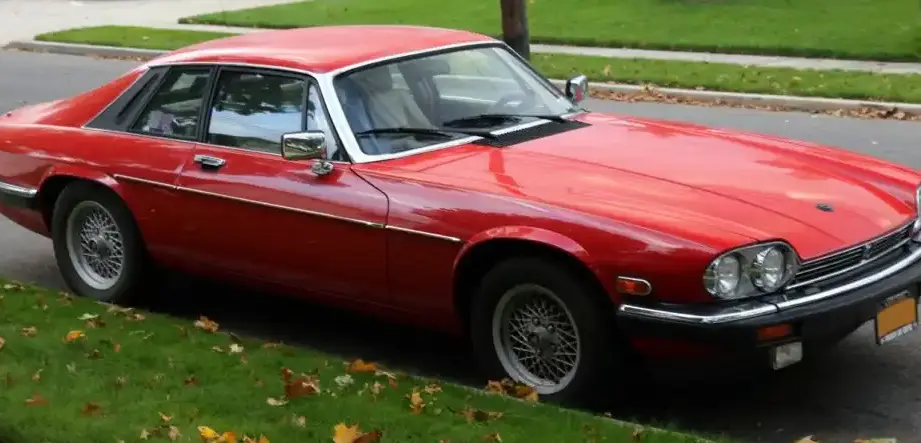
The Jaguar XJS Coupe 4.0, produced between 1991 and 1994, represents a significant evolution in the XJS lineage. Introduced as a replacement for the aging E-Type, the XJS aimed to blend grand touring comfort with sporting performance. The 4.0-liter variant, powered by the AJ6 inline-six engine, offered a substantial power upgrade over earlier XJS models, solidifying its position as a capable and luxurious coupe in the competitive grand touring market. This iteration sat towards the upper end of the XJS range, offering a balance between performance and refinement, appealing to buyers seeking a more spirited driving experience than the base 3.6-liter models provided.
Technical Specifications
| Brand | Jaguar |
| Model | XJS |
| Generation | XJS Coupe |
| Type (Engine) | 4.0 (222 Hp) |
| Start of Production | 1991 |
| End of Production | 1994 |
| Powertrain Architecture | Internal Combustion Engine |
| Body Type | Coupe |
| Fuel Type | Petrol (Gasoline) |
| Power | 222 Hp |
| Engine Aspiration | Naturally Aspirated |
Powertrain & Engine Architecture
The heart of the XJS 4.0 is Jaguar’s AJ6 inline-six engine, displacing 3,980 cc (242.8 cubic inches). This engine represented a significant upgrade from the earlier 3.6-liter version, featuring a larger bore and stroke, along with revised cylinder heads and fuel injection. The AJ6 is a naturally aspirated, all-aluminum engine with a single overhead camshaft (SOHC) design operating four valves per cylinder. Fuel delivery is managed by Bosch Motronic fuel injection, providing precise control over the air-fuel mixture. The engine’s lubrication system is robust, designed for high-performance driving, and incorporates an oil cooler. The 4.0-liter engine produces 222 horsepower at 5,500 rpm and 280 lb-ft of torque at 4,000 rpm. The transmission paired with the 4.0-liter engine was typically a four-speed automatic, a ZF 4HP22 unit known for its smoothness and reliability. While a five-speed manual transmission was offered in some markets, it was relatively rare, particularly in the US.
Driving Characteristics
The XJS 4.0 offered a noticeable improvement in performance over its 3.6-liter predecessor. The increased horsepower and torque translated to quicker acceleration and improved highway passing power. The automatic transmission, while smooth, wasn’t particularly geared for rapid acceleration; the gear ratios were tuned more for comfortable cruising than outright performance. Zero to sixty mph times were typically in the range of 7.5 to 8.0 seconds, respectable for a grand touring coupe of that era. The XJS’s independent suspension, featuring double wishbones at the front and a semi-trailing arm setup at the rear, provided a comfortable ride, absorbing bumps effectively. However, the car’s weight (around 3,800 lbs) was noticeable in cornering, leading to some body roll. Compared to the later XJS 6.0-liter V12 models, the 4.0-liter offered a more balanced driving experience, with less weight over the front axle and a more responsive feel. The 4.0 was also significantly more fuel efficient than the V12, a practical consideration for many buyers.
Equipment & Trim Levels
The XJS 4.0 came well-equipped as standard, reflecting its position as a luxury coupe. Standard features included leather upholstery, power-adjustable front seats, air conditioning, power windows and locks, and a premium sound system. Wood veneer trim adorned the dashboard and door panels, adding to the car’s luxurious ambiance. Optional extras included a sunroof, upgraded sound systems, and a self-leveling suspension. The XJS 4.0 was generally offered in a single, well-appointed trim level, with customization options available through the dealer. Interior color schemes were varied, offering buyers a choice of leather and wood combinations to suit their preferences. The dashboard layout was relatively straightforward, with clearly marked gauges and intuitive controls.
Chassis & Braking
The XJS Coupe utilized a monocoque chassis construction, providing a rigid and lightweight platform. The suspension system, as mentioned previously, employed double wishbones at the front and a semi-trailing arm setup at the rear. Anti-roll bars were fitted to both axles, helping to reduce body roll during cornering. Braking duties were handled by power-assisted disc brakes on all four wheels, although some earlier models featured rear drum brakes. The 4.0-liter models generally received upgraded brakes compared to the 3.6-liter versions, providing improved stopping power. The steering was power-assisted, offering a light and responsive feel. Tire sizes were typically 225/60R16, providing a good balance between grip and ride comfort.
Market Reception & Comparison
The Jaguar XJS 4.0 was generally well-received by automotive critics. It was praised for its improved performance, luxurious interior, and comfortable ride. However, some critics noted the car’s weight and relatively dated design compared to newer grand touring models. Compared to the XJS 3.6, the 4.0 offered a significant performance boost, making it a more appealing option for drivers seeking a more engaging driving experience. Against competitors such as the BMW 6 Series and the Mercedes-Benz 560SEC, the XJS 4.0 offered a unique blend of British style and luxury. Fuel economy was reasonable for a car of its size and performance, averaging around 17 mpg city and 24 mpg highway. Reliability was generally good, although the XJS, like many British cars of the era, could be prone to electrical gremlins and require regular maintenance.
Legacy
The Jaguar XJS 4.0 remains a desirable classic car today, appreciated for its elegant styling, luxurious interior, and enjoyable driving experience. The AJ6 engine, while not without its quirks, is generally considered to be a robust and reliable powerplant when properly maintained. Parts availability is generally good, although some specific components can be difficult to find. The XJS 4.0 has a strong following among Jaguar enthusiasts, and well-maintained examples command respectable prices in the used car market. The car represents a high point in Jaguar’s grand touring heritage, bridging the gap between the classic E-Type and the more modern XK8. Its blend of performance, luxury, and British charm continues to appeal to collectors and enthusiasts alike, ensuring its place as a significant model in Jaguar’s history.
