
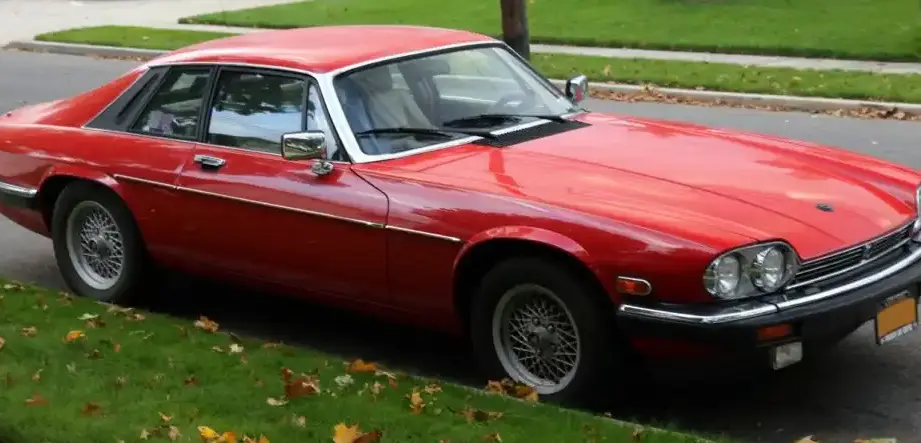
The Jaguar XJS Coupe 5.3, produced between 1986 and 1989, represents a significant iteration of the XJS line, Jaguar’s long-running grand tourer. This variant, powered by the venerable 5.3-liter V12 engine, occupied a premium position within the XJS range, offering a blend of luxury, performance, and British motoring heritage. It served as a direct successor to the earlier 5.3-liter models, benefiting from incremental improvements in refinement and reliability. The XJS, internally designated as Project XJ27, was intended to replace the E-Type, and the 5.3 Coupe was a key component in establishing the XJS as a worthy successor, appealing to a clientele seeking a sophisticated and powerful alternative to contemporary grand tourers from brands like BMW and Mercedes-Benz.
Technical Specifications
| Brand | Jaguar |
| Model | XJS |
| Generation | XJS Coupe |
| Type (Engine) | 5.3 (268 Hp) |
| Start of Production | 1986 |
| End of Production | 1989 |
| Powertrain Architecture | Internal Combustion Engine |
| Body Type | Coupe |
| Fuel Type | Petrol (Gasoline) |
| Engine Power | 268 Hp |
| Engine Aspiration | Naturally Aspirated |
Powertrain & Engine Architecture
The heart of the XJS 5.3 Coupe is the Jaguar 5.3-liter V12 engine, designated as the AJ6. This engine is a 60-degree V12, utilizing a lightweight alloy block and cylinder heads. It features a single overhead camshaft per bank, operating four valves per cylinder. Fuel delivery is managed by a Bosch Motronic fuel injection system, a significant upgrade from the earlier Lucas systems used in earlier XJS models, contributing to improved reliability and driveability. The engine produces 268 horsepower at 5,750 rpm and 304 lb-ft of torque at 3,500 rpm. The transmission is a three-speed automatic, a Chrysler Torqueflite A727 unit, known for its robustness and smooth operation. While not the most modern transmission, it was well-suited to the V12’s torque characteristics and provided a comfortable driving experience. The drivetrain is rear-wheel drive.
Driving Characteristics
The XJS 5.3 Coupe delivers a distinctly grand touring experience. The V12 engine provides ample power for effortless cruising and brisk acceleration. While the 0-60 mph time is around 7.9 seconds – not blistering by modern standards – the engine’s broad torque curve makes for relaxed and confident overtaking. The three-speed automatic transmission, while lacking the responsiveness of a manual or more modern automatic, shifts smoothly and contributes to the car’s overall refinement. The XJS 5.3 Coupe isn’t a particularly nimble car; its weight (approximately 3,800 lbs) and relatively long wheelbase contribute to a more stately handling characteristic. However, the independent suspension, featuring double wishbones at the front and a live axle with trailing arms at the rear, provides a comfortable ride, absorbing bumps and imperfections in the road effectively. Steering is power-assisted, offering a light and easy feel, though lacking significant feedback.
Equipment & Trim Levels
The XJS 5.3 Coupe was positioned as a luxury offering, and as such, came well-equipped as standard. Interior appointments included Connolly leather upholstery, wood veneer trim, and electric windows and mirrors. Air conditioning was standard, as was a premium sound system. The dashboard layout is classic Jaguar, featuring a full complement of analog gauges, including a speedometer, tachometer, fuel gauge, oil pressure gauge, and coolant temperature gauge. Optional extras included a sunroof, heated seats, and a more advanced sound system. The exterior featured a sleek, aerodynamic coupe body style, designed by Malcolm Sayer. The car’s distinctive “flying buttresses” at the rear were a defining styling feature. Wheels were typically alloy, and a variety of paint colors were available.
Chassis & Braking
The XJS 5.3 Coupe utilizes a monocoque chassis construction, providing a rigid and strong platform. The front suspension employs independent double wishbones with coil springs and telescopic dampers. The rear suspension features a live axle with trailing arms, coil springs, and telescopic dampers. Braking is provided by power-assisted disc brakes on all four wheels. The front brakes are vented, providing improved cooling and stopping power. Anti-lock braking system (ABS) was not standard on all models during this period, but was available as an option. Steering is rack and pinion, power-assisted for ease of maneuverability. The car’s weight distribution is approximately 52% front, 48% rear, contributing to balanced handling.
Market Reception & Comparison
The Jaguar XJS 5.3 Coupe was generally well-received by critics, praised for its luxurious interior, powerful engine, and elegant styling. However, it also faced criticism for its relatively high price and occasional reliability issues, particularly with the early Lucas fuel injection systems (which were addressed with the Bosch Motronic system in the 1986-1989 models). Compared to the 3.6-liter inline-six XJS models, the 5.3 Coupe offered significantly more performance and a more refined driving experience, but at a higher cost. Compared to the later 4.0-liter straight-six models, the V12 offered a different character – smoother, more powerful, but also heavier and potentially less fuel-efficient. Fuel economy was typically around 14 mpg city and 20 mpg highway, reflecting the V12’s thirst for gasoline. The XJS 5.3 Coupe competed with other grand tourers of the era, such as the BMW 6 Series and the Mercedes-Benz SL, offering a distinctly British alternative.
Legacy
The Jaguar XJS 5.3 Coupe remains a desirable classic car today, appreciated for its timeless styling and powerful V12 engine. While maintenance can be more complex and expensive than with more modern vehicles, the V12 engine, when properly maintained, is known for its durability. The Bosch Motronic fuel injection system found in the 1986-1989 models significantly improved reliability compared to earlier XJS models. The XJS 5.3 Coupe has a strong following among Jaguar enthusiasts and is a popular choice for classic car rallies and events. In the used car market, prices for well-maintained examples have been steadily increasing, reflecting the car’s growing collectibility and its status as a symbol of 1980s British luxury. Parts availability is generally good, with a network of specialist suppliers catering to the Jaguar classic car community. The XJS 5.3 Coupe represents a high point in Jaguar’s grand touring tradition, offering a unique and rewarding driving experience.
