
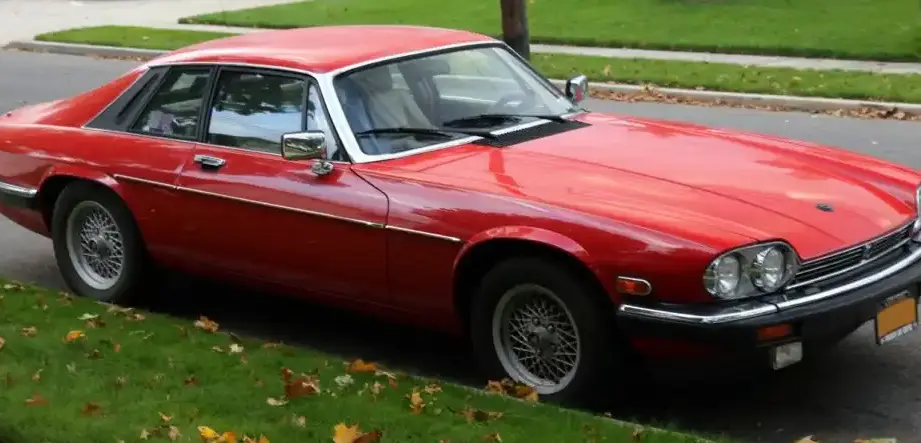
The Jaguar XJS Coupe 5.3, produced between 1988 and 1991, represents a significant evolution of the XJ-S lineage, offering a blend of luxury, performance, and iconic styling. This variant, powered by the venerable 5.3-liter V12 engine, occupied a premium position within the XJS range, serving as a flagship model before the introduction of later, more technologically advanced versions. It was a direct response to market demands for a more powerful and refined grand tourer, building upon the foundation laid by the earlier 3.6-liter inline-six and initial V12 models. The XJS, as a whole, aimed to replace the long-running E-Type, and the 5.3 Coupe solidified Jaguar’s commitment to a luxurious, high-performance coupe experience.
Technical Specifications
| Brand | Jaguar |
| Model | XJS |
| Generation | XJS Coupe |
| Type (Engine) | 5.3 (275 Hp) |
| Start of Production | 1988 |
| End of Production | 1991 |
| Powertrain Architecture | Internal Combustion Engine |
| Body Type | Coupe |
| Fuel Type | Petrol (Gasoline) |
| Power | 275 Hp |
| Engine Aspiration | Naturally Aspirated |
Powertrain & Engine Architecture
The heart of the XJS 5.3 Coupe is the Jaguar 5.3-liter V12 engine, designated as the AJ6. This engine is a naturally aspirated, 60-degree V12, utilizing a cast iron block with aluminum cylinder heads and a single overhead camshaft per bank. The engine’s design prioritized smoothness and refinement over outright peak power, though 275 horsepower was a substantial figure for the time. Fuel delivery is managed by Bosch Motronic fuel injection, a significant upgrade from the earlier Lucas systems used in earlier XJ-S models. This system improved reliability and efficiency, contributing to better driveability. The V12’s valvetrain employs three valves per cylinder (two intake, one exhaust), enhancing breathing and contributing to the engine’s characteristic broad torque curve. The transmission paired with the 5.3-liter V12 was typically a three-speed Chrysler TorqueFlite automatic, known for its durability and smooth operation, though a five-speed manual transmission was available as a less common option. The automatic transmission was chosen to complement the car’s grand touring character, prioritizing comfort and ease of use over sporty gear changes.
Driving Characteristics
The XJS 5.3 Coupe delivers a driving experience characterized by effortless power and a remarkably smooth ride. The 275 horsepower, while not overwhelming by modern standards, provides ample acceleration for comfortable highway cruising and spirited driving. The V12 engine’s torque peak is relatively high in the rev range, meaning that the engine requires to be revved to deliver its full potential. The three-speed automatic transmission, while not as responsive as a modern gearbox, offers smooth shifts and contributes to the car’s relaxed demeanor. The XJS 5.3’s steering is power-assisted, providing a light and easy feel, but it lacks the directness of some contemporary sports cars. The suspension, featuring independent double wishbones all around, is tuned for comfort, absorbing bumps and imperfections in the road with aplomb. Compared to the earlier 3.6-liter XJ-S, the 5.3 Coupe offers a noticeable increase in performance, with quicker acceleration and a more authoritative engine note. Compared to later XJS models with updated transmissions and fuel management systems, the 1988-1991 5.3 Coupe feels slightly less refined, but retains a classic, analog driving experience.
Equipment & Trim Levels
The XJS 5.3 Coupe was positioned as a luxury grand tourer, and its standard equipment reflected this status. Interior appointments typically included Connolly leather upholstery, wood veneer trim, and electric windows and mirrors. Air conditioning was standard, as was a high-quality stereo system. The dashboard layout is classic Jaguar, featuring a wood-rimmed steering wheel, analog gauges, and a generally elegant and understated design. Optional extras included a sunroof, heated seats, and upgraded audio systems. The exterior of the XJS 5.3 Coupe is characterized by its sleek, aerodynamic lines, designed by Malcolm Sayer. Wheels were typically alloy, and the car was available in a range of exterior colors, with darker shades like British Racing Green and Black being particularly popular. The trim level was largely consistent across the 5.3 Coupe models, with variations primarily stemming from optional extras chosen by the original purchaser.
Chassis & Braking
The XJS 5.3 Coupe utilizes a monocoque chassis construction, providing a rigid and lightweight platform. The suspension system consists of independent double wishbones all around, with coil springs and telescopic dampers. Anti-roll bars are fitted to both the front and rear axles, helping to reduce body roll during cornering. Braking is provided by four-wheel disc brakes, with power assistance. The front brakes are vented to improve heat dissipation. The braking system, while effective for the time, lacks the sophistication of modern anti-lock braking systems (ABS), which were not standard on these early models. The chassis and braking system were designed to handle the increased power and weight of the V12 engine, providing a stable and controlled driving experience. The rear suspension geometry was revised over earlier XJ-S models to improve handling and reduce oversteer.
Market Reception & Comparison
The Jaguar XJS 5.3 Coupe was generally well-received by critics, who praised its luxurious interior, smooth ride, and powerful engine. However, some criticism was directed at the car’s relatively high price and its somewhat dated technology compared to contemporary rivals from Porsche and BMW. Fuel economy was also a concern, as the V12 engine is notoriously thirsty. Compared to the 3.6-liter XJ-S, the 5.3 Coupe offered a significant performance upgrade, but at a higher price point. Compared to later XJS models with updated transmissions and fuel injection systems, the 1988-1991 5.3 Coupe offered a more classic and analog driving experience, but lacked some of the refinements of the later cars. The car’s reliability was also a subject of debate, with some owners reporting issues with the Lucas fuel injection system and other electrical components.
Legacy
The Jaguar XJS 5.3 Coupe remains a highly sought-after classic car today, appreciated for its elegant styling, powerful engine, and luxurious interior. The V12 engine, while complex, is generally considered to be durable if properly maintained. However, parts availability can be a challenge, and specialist knowledge is often required for repairs. The XJS 5.3 Coupe has become a symbol of 1980s British luxury and performance, and its iconic design continues to turn heads. In the used car market, well-maintained examples command premium prices, reflecting the car’s rarity and desirability. The 5.3 V12 engine, despite its complexity, is often considered the most desirable engine in the XJS lineup by enthusiasts, prized for its smoothness, sound, and overall character. The XJS, and particularly the 5.3 Coupe, helped to cement Jaguar’s reputation as a manufacturer of luxurious and high-performance grand tourers.
