
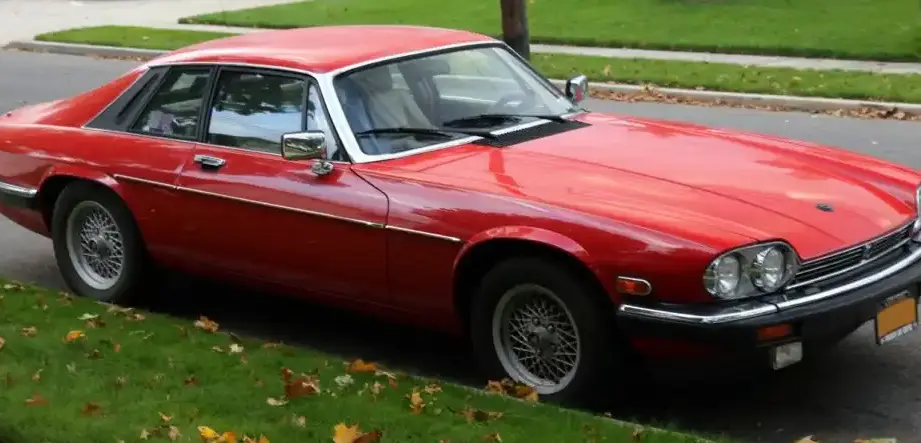
The Jaguar XJS Coupe 5.3, produced between 1988 and 1992, represents a significant evolution of the XJ-S lineage, offering a blend of British luxury and performance. Introduced as a replacement for the E-Type, the XJ-S (later XJS) aimed to combine grand touring capabilities with modern technology. The 5.3-liter V12 variant, producing 287 horsepower, occupied the top echelon of the XJS range during these years, offering a more potent alternative to the inline-six and later 4.0-liter straight-six engines. This model aimed to solidify Jaguar’s reputation for sophisticated, high-performance coupes in a market increasingly dominated by German and Italian competitors.
Technical Specifications
| Brand | Jaguar |
| Model | XJS |
| Generation | XJS Coupe |
| Type (Engine) | 5.3 (287 Hp) |
| Start of Production | 1988 |
| End of Production | 1992 |
| Powertrain Architecture | Internal Combustion Engine |
| Body Type | Coupe |
| Fuel Type | Petrol (Gasoline) |
| Power | 287 Hp |
| Engine Aspiration | Naturally Aspirated |
Powertrain & Engine Architecture
The heart of the XJS 5.3 is its 5.3-liter V12 engine, designated the AJ6. This engine is a 60-degree V12, utilizing a lightweight alloy block and cylinder heads. It featured Bosch fuel injection, initially a mechanical system but later transitioning to electronic control during this production run, improving efficiency and driveability. The engine’s valvetrain employs two valves per cylinder, operated by a single overhead camshaft per bank. The V12’s smooth power delivery was a hallmark of the XJS, though it wasn’t necessarily about peak acceleration. The engine produced 287 horsepower at 5,750 rpm and 360 lb-ft of torque at 3,500 rpm. The transmission paired with the 5.3-liter V12 was a three-speed automatic, a Chrysler TorqueFlite unit. While not the most modern transmission, it was known for its durability and ability to handle the engine’s substantial torque. The automatic transmission was chosen to emphasize the XJS’s grand touring character, prioritizing comfort and ease of driving over outright performance.
Driving Characteristics
The XJS 5.3 offered a distinctly different driving experience compared to its six-cylinder siblings. The V12 provided significantly more power and torque, resulting in effortless cruising and strong acceleration. While the three-speed automatic transmission wasn’t geared for rapid shifts, it provided smooth and comfortable gear changes. The car’s weight, approximately 3,800 pounds, meant that the 287 horsepower wasn’t enough to deliver truly sporty performance by modern standards, but it was more than adequate for spirited driving. The XJS 5.3 excelled at high-speed touring, offering a refined and comfortable ride. The suspension, featuring independent double wishbones all around, provided a good balance between comfort and handling. However, the car’s size and weight meant that it wasn’t as nimble as some of its competitors. Compared to the later 4.0-liter inline-six, the V12 offered a more luxurious and refined experience, but at the cost of fuel economy and increased maintenance complexity.
Equipment & Trim Levels
The XJS 5.3 was positioned as the flagship model in the XJS lineup, and as such, it came standard with a comprehensive list of features. Standard equipment included leather upholstery, power windows, power seats, air conditioning, and a premium sound system. Wood veneer trim adorned the dashboard and door panels, adding to the car’s luxurious ambiance. Optional extras included a sunroof, upgraded sound systems, and special paint colors. The interior design was classic Jaguar, emphasizing comfort and elegance. The dashboard layout was relatively straightforward, with clearly labeled controls. The seats were supportive and comfortable, even on long journeys. The XJS 5.3’s trim level was largely defined by the options selected by the original buyer, allowing for a degree of personalization.
Chassis & Braking
The XJS 5.3 utilized a monocoque chassis construction, providing a rigid and lightweight platform. The suspension system consisted of independent double wishbones with coil springs and telescopic dampers all around. Anti-roll bars were fitted to both the front and rear axles to reduce body roll during cornering. The braking system featured disc brakes on all four wheels, providing ample stopping power. Power assistance was standard. The rear suspension geometry was a point of contention for some critics, as it could occasionally exhibit a tendency towards oversteer. However, the car’s overall handling was generally considered to be safe and predictable. The steering was power-assisted, providing light and effortless control.
Market Reception & Comparison
The XJS 5.3 was generally well-received by critics, who praised its luxurious interior, smooth ride, and powerful engine. However, some critics noted the car’s high price and relatively complex maintenance requirements. Compared to its rivals, such as the Mercedes-Benz 560SEC and the BMW 635CSi, the XJS 5.3 offered a more distinctive and arguably more stylish design. However, it lacked the outright performance of the BMW and the reputation for reliability of the Mercedes-Benz. Fuel economy was also a concern, with the V12 engine consuming a significant amount of gasoline. The XJS 5.3 appealed to buyers who prioritized luxury, comfort, and style over outright performance and practicality. It was a car for those who wanted to make a statement and enjoy the pleasures of grand touring.
Legacy
The Jaguar XJS 5.3 remains a desirable classic car today, appreciated for its elegant design and powerful engine. While the V12 engine requires more maintenance than the later inline-six, it is generally considered to be a reliable unit when properly cared for. Parts availability is generally good, although some components can be expensive. The XJS 5.3 has a strong following among Jaguar enthusiasts, and well-maintained examples command premium prices in the used car market. The car represents a high point in Jaguar’s grand touring heritage, and it continues to be admired for its timeless style and refined driving experience. Its influence can be seen in later Jaguar models, which have continued to emphasize luxury, performance, and elegant design. The XJS 5.3 is a testament to Jaguar’s enduring commitment to building exceptional automobiles.
