
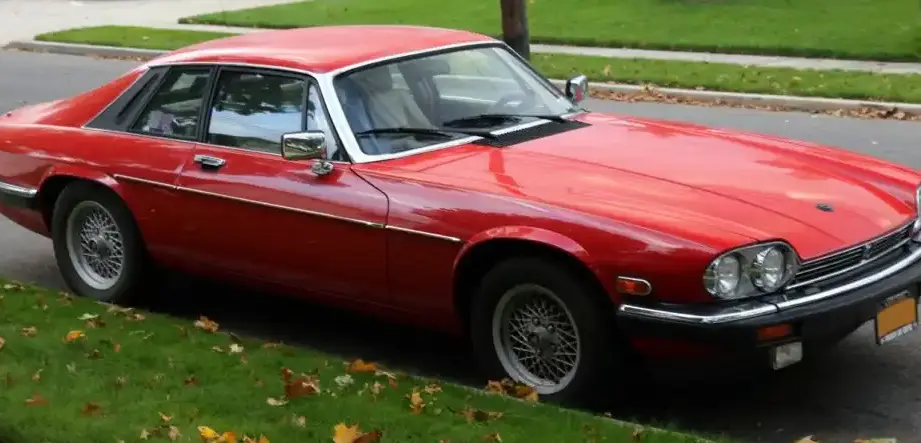
The Jaguar XJS 5.3 Coupe, produced between 1975 and 1981, represents the initial iteration of the XJS line, intended as a successor to the iconic E-Type. This first-generation XJS, characterized by its elegant coupe body style and powerful V12 engine, aimed to blend grand touring comfort with respectable performance. It established the XJS as a luxury sports car, competing with offerings from Aston Martin and Ferrari in the upper echelons of the automotive market. The 5.3-liter variant served as the flagship model during these early years, setting the tone for the XJS’s long production run and establishing a reputation for sophisticated engineering and British luxury.
Technical Specifications
| Brand | Jaguar |
| Model | XJS |
| Generation | XJS Coupe (Series 1) |
| Type (Engine) | 5.3-liter V12 (289 Hp) |
| Start of Production | 1975 |
| End of Production | 1981 |
| Powertrain Architecture | Internal Combustion Engine |
| Body Type | Coupe |
| Fuel Type | Petrol (Gasoline) |
| Power | 289 Hp |
| Engine Aspiration | Naturally Aspirated |
| Engine Displacement | 5.3 Liters |
| Transmission | 3-speed automatic (Borg-Warner) |
| Weight | Approximately 3,780 lbs (1,714 kg) |
| 0-60 mph | Approximately 6.7 seconds |
| Top Speed | Approximately 145 mph (233 km/h) |
Powertrain & Engine Architecture
The heart of the XJS 5.3 Coupe is its 5.3-liter V12 engine, designated the Jaguar engine code XK61. This engine is a naturally aspirated, 60-degree V12, featuring a cast iron block and aluminum cylinder heads. It utilizes a SOHC (Single Overhead Cam) valvetrain with two valves per cylinder. Fuel delivery is managed by a Bosch mechanical fuel injection system, a relatively complex setup for the time, designed to provide precise fuel metering across the engine’s operating range. The engine produces 289 horsepower at 6,000 rpm and 302 lb-ft of torque at 3,500 rpm. The XJS 5.3 was exclusively paired with a three-speed automatic transmission manufactured by Borg-Warner. This transmission, while providing smooth shifts, was sometimes criticized for its relatively conservative gear ratios, prioritizing comfort over outright acceleration. The drivetrain is rear-wheel drive.
Driving Characteristics
The driving experience in the XJS 5.3 Coupe is characterized by a blend of effortless power and luxurious comfort. The V12 engine delivers smooth, linear acceleration, with ample torque available throughout the rev range. While the 0-60 mph time of around 6.7 seconds was respectable for the era, the car’s substantial weight and the automatic transmission’s gearing meant it didn’t feel overtly sporty. The suspension, featuring independent double wishbones all around with anti-roll bars, provides a comfortable ride, absorbing bumps and imperfections in the road with ease. Steering is power-assisted, offering a light and precise feel. However, the car’s size and weight necessitate careful cornering, and it doesn’t possess the nimble handling of some contemporary sports cars. The automatic transmission, while convenient, can feel somewhat sluggish compared to a manual gearbox, particularly during quick overtaking maneuvers.
Equipment & Trim Levels
The XJS 5.3 Coupe was generously equipped, reflecting its status as a luxury grand tourer. Standard features included leather upholstery, power windows, power steering, air conditioning, and a high-quality stereo system. The interior was designed with a focus on comfort and elegance, featuring wood veneer trim and plush carpeting. Optional extras included a sunroof, heated seats, and a more advanced stereo system. The early XJS models, like the 1975-1981 5.3, featured a relatively minimalist dashboard design, with a focus on essential instrumentation. The exterior styling was characterized by its long hood, sloping roofline, and distinctive rear buttresses – a design element that became a hallmark of the XJS.
Chassis & Braking
The XJS 5.3 Coupe utilizes a monocoque chassis construction, providing a rigid and lightweight platform. The suspension system, as mentioned previously, employs independent double wishbones all around, with coil springs and telescopic shock absorbers. Braking duties are handled by power-assisted disc brakes on all four wheels. The front brakes are vented to improve heat dissipation. While effective, the braking system wasn’t particularly advanced for the time, and anti-lock braking (ABS) wasn’t available on the early XJS models. The steering system is a power-assisted rack and pinion setup, providing a responsive and precise feel. The car rides on alloy wheels, typically 15-inch in diameter, fitted with high-performance radial tires.
Market Reception & Comparison
The XJS 5.3 Coupe was generally well-received by critics, who praised its elegant styling, luxurious interior, and smooth V12 engine. However, some reviewers criticized its weight, relatively conservative handling, and the complexity of the Bosch fuel injection system, which could be prone to issues. Compared to its siblings, the XJS 5.3 represented the top-of-the-line model. Later, Jaguar introduced inline-six cylinder versions (3.6 and 4.2 liters) and, eventually, a turbocharged version, offering a more affordable entry point into the XJS range. The 5.3 V12 offered significantly more power and refinement than the six-cylinder models, but at a higher price point. The fuel economy of the 5.3 was also considerably lower, making it a less practical choice for everyday driving.
Legacy
The Jaguar XJS 5.3 Coupe holds a significant place in automotive history as the successor to the legendary E-Type. While the early models, like those produced between 1975 and 1981, are known for their classic V12 engine and elegant styling, they also suffer from the inherent complexities of early fuel injection systems and can require significant maintenance. The Bosch fuel injection system, while advanced for its time, is a common source of problems for owners today. Despite these potential issues, the XJS 5.3 remains a desirable classic car, appreciated for its luxurious character and iconic design. In the used car market, well-maintained examples command a premium, appealing to collectors and enthusiasts who appreciate the unique blend of British luxury and V12 power. The XJS, in all its iterations, helped solidify Jaguar’s reputation as a manufacturer of sophisticated and desirable grand touring cars, paving the way for future models like the XK8 and F-Type.
