
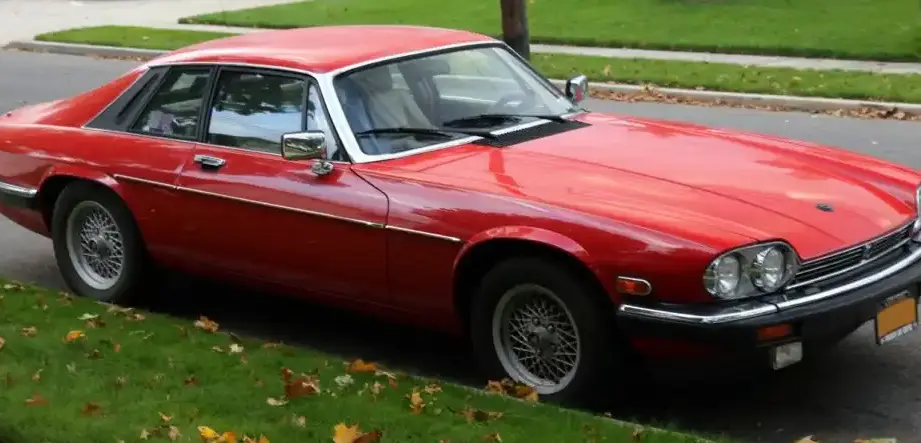
The Jaguar XJS Coupe 5.3 HE V12, produced between 1986 and 1989, represents a refined iteration of the XJ-S (XJS) grand tourer. This variant, distinguished by its high-efficiency (HE) V12 engine, aimed to deliver a balance of performance and improved fuel economy compared to earlier XJ-S models. It occupied a premium position within the XJS lineup, offering a luxurious experience and powerful engine, though at a higher price point than the inline-six cylinder options. The XJS, as a whole, was Jaguar’s replacement for the iconic E-Type, and the 5.3 HE V12 was a key component in maintaining Jaguar’s reputation for sophisticated, high-performance automobiles.
Technical Specifications
| Brand | Jaguar |
| Model | XJS |
| Generation | XJS Coupe |
| Engine Type | 5.3 HE V12 (264 Hp) |
| Production Years | 1986 – 1989 |
| Powertrain Architecture | Internal Combustion Engine |
| Body Type | Coupe |
| Fuel Type | Petrol (Gasoline) |
| Power Output | 264 Hp |
| Engine Aspiration | Naturally Aspirated |
Powertrain & Engine Architecture
The heart of the XJS 5.3 HE V12 is the Jaguar V12 engine, specifically the 5.3-liter variant. The “HE” designation stands for High Efficiency, and this was achieved through a redesigned cylinder head featuring a Lucas fuel injection system. This system, a digital unit, was a significant upgrade over the earlier carburetors used on the initial XJ-S models. The cylinder heads incorporated a four-valve-per-cylinder design, improving breathing and combustion efficiency. The engine utilizes a 60-degree V configuration, contributing to its relatively compact size for a V12. Bore and stroke dimensions are 82mm x 78mm, resulting in a displacement of 5344cc (5.3 liters). The engine produces 264 horsepower at 5,750 rpm and 294 lb-ft of torque at 3,500 rpm. The transmission paired with this engine was typically a three-speed automatic, a Chrysler Torqueflite A727 unit, known for its robustness but not its sophistication. This transmission was chosen for its ability to handle the high torque output of the V12 engine.
Driving Characteristics
The XJS 5.3 HE V12 offered a distinctly grand touring experience. While not a sports car in the modern sense, the V12 provided ample power for effortless cruising and brisk acceleration. The three-speed automatic transmission, while reliable, did have relatively widely spaced gear ratios. This meant that while acceleration from a standstill was respectable, the engine didn’t always feel as responsive as it could be. The torque converter provided smooth takeoffs and comfortable cruising, but it also introduced some inherent efficiency losses. Compared to the inline-six cylinder XJS models, the V12 offered significantly more power and a smoother, more refined driving experience. However, the V12’s added weight (due to the larger engine) and the less-than-sporty transmission meant it wasn’t as nimble or fuel-efficient. The XJS’s independent rear suspension, a feature carried over from the XJ saloon, contributed to a comfortable ride, but the car’s considerable weight (around 3,800 lbs) was always noticeable in corners.
Equipment & Trim Levels
The XJS 5.3 HE V12 was positioned as a luxury coupe, and as such, it came standard with a comprehensive list of features. Leather upholstery was standard, along with power windows, power steering, and air conditioning. The interior featured wood veneer trim on the dashboard and door panels, adding to the sense of luxury. Standard instrumentation included a speedometer, tachometer, fuel gauge, temperature gauge, and oil pressure gauge. Optional extras included a premium sound system, a sunroof, and heated seats. The XJS also offered a range of exterior color options, and buyers could choose from a variety of wheel designs. The HE models often received subtle exterior trim differences, such as a chrome strip along the lower body, to distinguish them from the standard XJS.
Chassis & Braking
The XJS utilized a monocoque chassis construction, providing a good balance of strength and rigidity. The suspension system consisted of independent double wishbones at the front and a fully independent rear suspension with trailing arms and coil springs. This rear suspension design was a significant advancement for Jaguar, providing a more comfortable and controlled ride than previous models. Braking was handled by disc brakes on all four wheels, although earlier XJS models sometimes featured rear drum brakes. The 5.3 HE V12 models were typically equipped with four-wheel disc brakes. Power assistance was standard. The steering was a recirculating ball system, which provided a relatively heavy but precise feel. Anti-roll bars were fitted to both the front and rear axles to reduce body roll during cornering.
Market Reception & Comparison
The XJS 5.3 HE V12 was generally well-received by critics, who praised its luxurious interior, smooth ride, and powerful engine. However, the car’s high price and relatively poor fuel economy were often cited as drawbacks. Compared to the inline-six cylinder XJS models, the V12 offered a more prestigious and refined driving experience, but it came at a significant cost. The V12 also required more frequent and expensive maintenance. Against competitors such as the BMW 6 Series and the Mercedes-Benz SL, the XJS offered a unique blend of British style and performance. Fuel economy was a concern, averaging around 13-15 mpg in real-world driving. Reliability, while improved over earlier XJ-S models, remained a concern for some owners, particularly with the complex Lucas fuel injection system.
Legacy
The Jaguar XJS 5.3 HE V12 remains a desirable classic car today. The V12 engine, while complex, is known for its smoothness and durability when properly maintained. The car’s elegant styling and luxurious interior continue to appeal to collectors and enthusiasts. However, potential buyers should be aware of the potential maintenance costs associated with owning a classic Jaguar V12. Parts availability can be an issue, and specialized knowledge is often required for repairs. Well-maintained examples of the XJS 5.3 HE V12 command a premium in the used car market, reflecting their status as a symbol of 1980s British luxury and performance. The HE engine, with its fuel injection, represented a significant step forward for Jaguar, paving the way for future V12 developments.
