
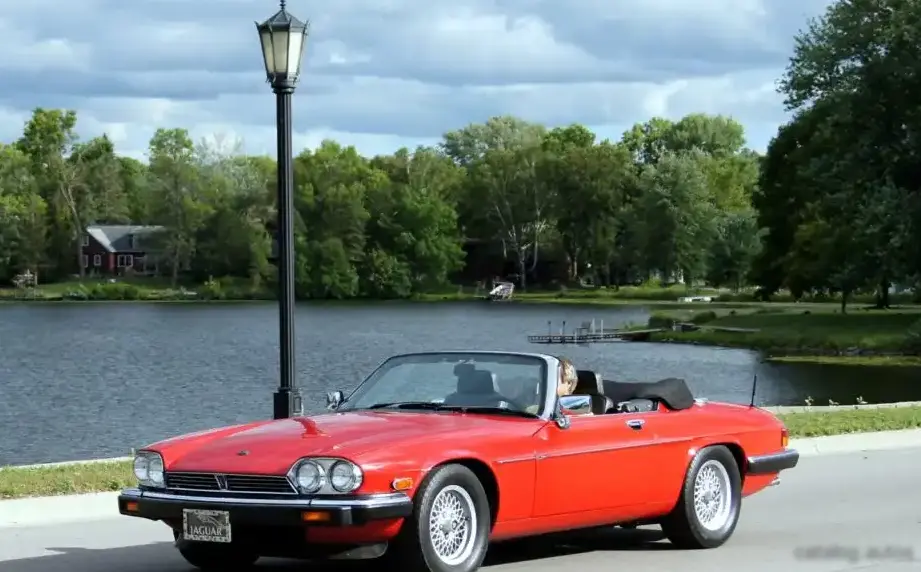
The Jaguar XJSC Convertible 5.3, produced between 1986 and 1988, represents a luxurious and powerful iteration of Jaguar’s attempt to replace the iconic E-Type. Positioned as the open-top variant of the XJ-S (XJS) grand tourer, the 5.3-liter model was the flagship offering in the convertible range during its short production run. It aimed to combine British elegance with robust performance, appealing to buyers seeking a sophisticated and spirited driving experience. The XJSC, built on the XJ6 platform, underwent significant revisions from its initial 1975 introduction, and the convertible version, while initially delayed, became a key part of Jaguar’s lineup as it sought to modernize its image.
Technical Specifications
| Brand | Jaguar |
| Model | XJS |
| Generation | XJSC Convertible |
| Engine Type | 5.3L V12 (268 Hp) |
| Production Years | 1986-1988 |
| Powertrain Architecture | Internal Combustion Engine |
| Body Type | Cabriolet |
| Fuel Type | Petrol (Gasoline) |
| Power Output | 268 Hp |
| Engine Aspiration | Naturally Aspirated |
| Transmission | 3-speed automatic |
| Curb Weight | Approximately 3,850 lbs (1,746 kg) |
| 0-60 mph | Approximately 7.8 seconds |
| Top Speed | Approximately 140 mph (225 km/h) |
Powertrain & Engine Architecture
The heart of the XJSC 5.3 is Jaguar’s renowned 5.3-liter V12 engine, designated the AJ6. This engine, a descendant of the original Jaguar V12 introduced in the 1970s, featured a 60-degree V-angle and utilized a lightweight alloy block and cylinder heads. The 5.3-liter version employed Bosch fuel injection, a significant upgrade over earlier carbureted versions, improving both performance and fuel efficiency. The engine produced 268 horsepower and 294 lb-ft of torque, providing ample power for effortless cruising and spirited acceleration. The V12’s valvetrain consisted of two overhead camshafts per cylinder bank, operating three valves per cylinder (two intake, one exhaust). The engine was paired exclusively with a three-speed Chrysler TorqueFlite automatic transmission, chosen for its robustness and smooth operation. While not the most modern transmission, it was considered reliable and well-suited to the V12’s power delivery. The transmission was geared towards grand touring, prioritizing comfortable cruising over outright acceleration.
Driving Characteristics
The XJSC 5.3 Convertible offered a distinctly grand touring experience. The V12 engine delivered smooth, linear power, making it ideal for long-distance journeys. The automatic transmission, while lacking the responsiveness of a manual, provided seamless gear changes. The car’s weight, approximately 3,850 pounds, was noticeable, but the V12’s torque helped to overcome this, providing brisk acceleration. Handling was generally good for a car of its size and era, with independent suspension all around. However, it wasn’t a particularly nimble sports car; the focus was more on comfort and stability. The steering, while power-assisted, lacked the precision of more modern systems. The convertible top, while adding to the open-air enjoyment, did slightly compromise structural rigidity compared to the coupe version. The 0-60 mph time was around 7.8 seconds, and top speed was approximately 140 mph, respectable figures for the late 1980s.
Equipment & Trim Levels
The XJSC 5.3 Convertible was a luxury vehicle, and as such, came well-equipped as standard. Interior appointments included Connolly leather upholstery, burled walnut wood trim, and power-adjustable seats. Standard features also included air conditioning, power windows, power locks, and a premium sound system. The dashboard layout was classic Jaguar, with elegant gauges and a refined design. Optional extras included a heated windshield, a sunroof (in addition to the convertible top), and upgraded sound systems. The XJSC 5.3 was positioned as the top-of-the-line convertible model, and its price reflected this. It was significantly more expensive than the inline-six cylinder versions of the XJSC.
Chassis & Braking
The XJSC Convertible utilized a monocoque chassis construction, providing a good balance of strength and weight. Suspension was independent all around, with double wishbones at the front and a semi-trailing arm setup at the rear. Anti-roll bars were fitted to both the front and rear axles to reduce body roll during cornering. Braking was provided by four-wheel disc brakes, although the rear discs were smaller than the front. Power assistance was standard. The braking system, while effective, lacked the sophistication of modern anti-lock braking systems (ABS), which were not yet widely available on luxury cars at the time. The suspension was tuned for comfort, prioritizing a smooth ride over sharp handling.
Market Reception & Comparison
The XJSC 5.3 Convertible was generally well-received by critics, who praised its luxurious interior, powerful engine, and elegant styling. However, it was also criticized for its high price and relatively complex mechanicals. Compared to the inline-six cylinder XJSC convertibles, the 5.3 offered significantly more performance and a more refined driving experience, but at a substantial cost premium. The V12 models were also more expensive to maintain due to the increased complexity of the engine. Fuel economy was also considerably lower with the V12. Compared to rivals such as the Mercedes-Benz SL and the Porsche 911 Cabriolet, the XJSC offered a different character – more focused on luxury and comfort than outright sporting performance.
Legacy
The Jaguar XJSC 5.3 Convertible remains a desirable classic car today, appreciated for its timeless styling and powerful V12 engine. While the V12 engine requires diligent maintenance, it is generally considered a robust and reliable powerplant when properly cared for. The automatic transmission is also relatively reliable. However, parts availability can be a challenge, and specialist knowledge is often required for repairs. The XJSC 5.3 Convertible has become a collector’s item, with prices varying depending on condition and mileage. It represents a high point in Jaguar’s grand touring heritage, offering a unique blend of British luxury, performance, and open-air enjoyment. The car’s enduring appeal lies in its ability to evoke a sense of occasion and provide a truly special driving experience.
