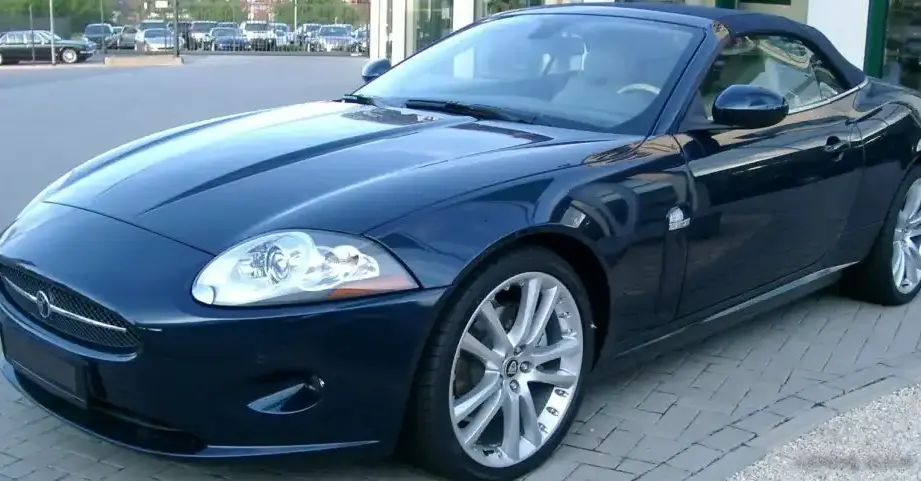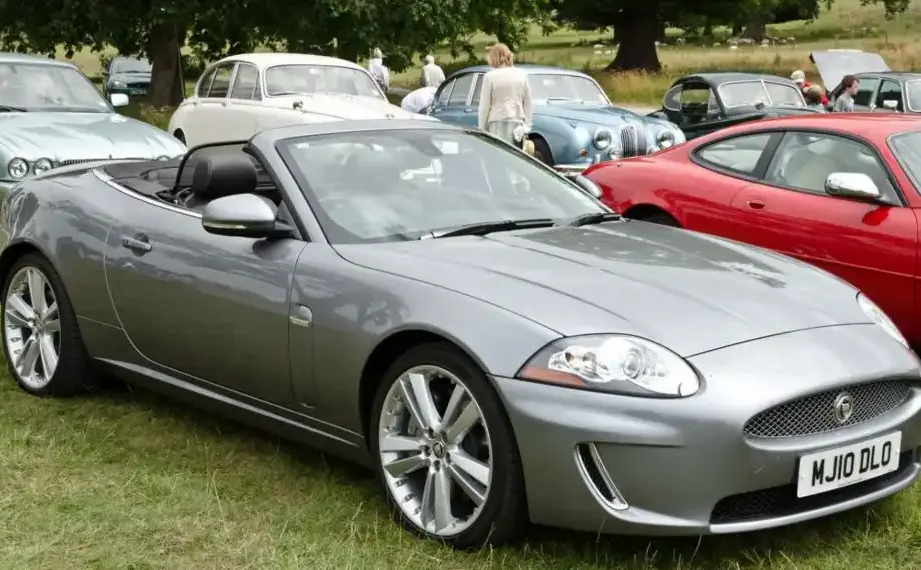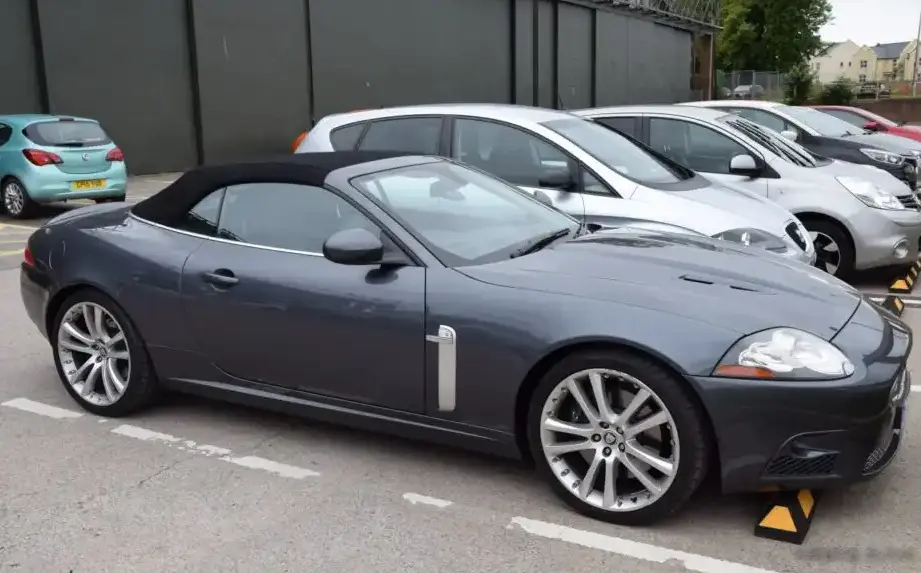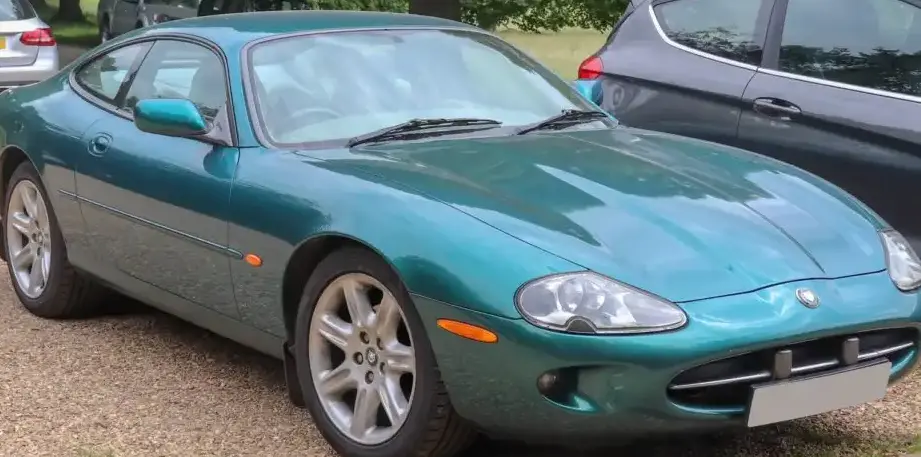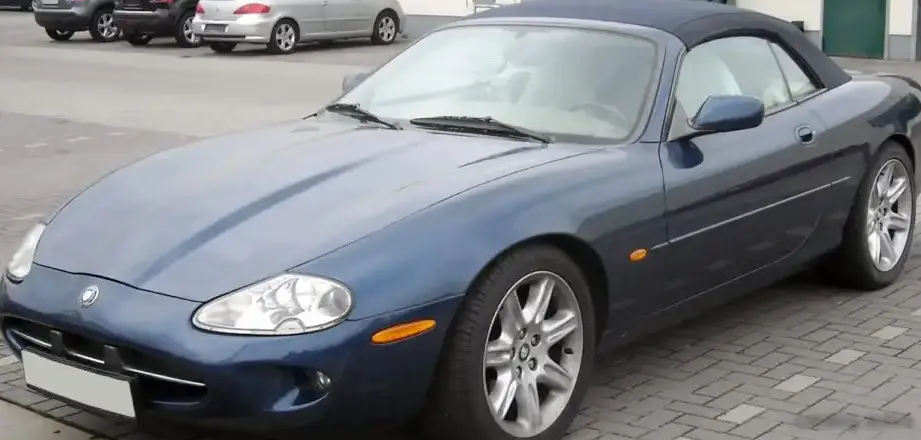
The Jaguar XK Convertible (X100) R 4.2 V8 Automatic, produced from 2002 to 2005, represented the performance pinnacle of the X100 generation. Positioned as the flagship variant of the XK Convertible lineup, the ‘R’ model offered a substantial increase in power and sporting capability compared to the standard 4.0-liter and 4.2-liter non-R models. Built on Jaguar’s JH8 platform, the X100 aimed to blend traditional British luxury with modern performance, and the R variant amplified the latter. This model served as a direct competitor to grand tourers from Porsche, BMW, and Mercedes-Benz, offering a compelling combination of open-air motoring and exhilarating acceleration.
Technical Specifications
| Brand | Jaguar |
| Model | XK |
| Generation | XK Convertible (X100) |
| Type (Engine) | R 4.2 V8 (395 Hp) Automatic |
| Start of production | 2002 |
| End of production | 2005 |
| Powertrain Architecture | Internal Combustion engine |
| Body type | Cabriolet |
| Seats | 4 |
| Doors | 2 |
| Fuel consumption (urban) | 18.1 l/100 km (13 US mpg, 15.6 UK mpg, 5.5 km/l) |
| Fuel consumption (extra urban) | 9.2 l/100 km (25.6 US mpg, 30.7 UK mpg, 10.9 km/l) |
| Fuel consumption (combined) | 12.5 l/100 km (18.8 US mpg, 22.6 UK mpg, 8 km/l) |
| Fuel Type | Petrol (Gasoline) |
| Acceleration 0 – 100 km/h | 5.6 sec |
| Acceleration 0 – 62 mph | 5.6 sec |
| Acceleration 0 – 60 mph | 5.3 sec |
| Maximum speed | 250 km/h (155.34 mph) |
| Weight-to-power ratio | 4.6 kg/Hp, 217.6 Hp/tonne |
| Weight-to-torque ratio | 3.4 kg/Nm, 298.1 Nm/tonne |
| Power | 395 Hp @ 6100 rpm |
| Power per litre | 94.1 Hp/l |
| Torque | 541 Nm @ 5500 rpm (399.02 lb.-ft. @ 5500 rpm) |
| Engine layout | Front, Longitudinal |
| Engine Model/Code | AJ33S |
| Engine displacement | 4196 cm3 (256.06 cu. in.) |
| Number of cylinders | 8 |
| Engine configuration | V-engine |
| Cylinder Bore | 86 mm (3.39 in.) |
| Piston Stroke | 90.3 mm (3.56 in.) |
| Compression ratio | 9.1:1 |
| Number of valves per cylinder | 4 |
| Fuel injection system | Multi-port manifold injection |
| Engine aspiration | Supercharger, Intercooler |
| Valvetrain | DOHC |
| Engine oil capacity | 7 l (7.4 US qt | 6.16 UK qt) |
| Coolant | 11 l (11.62 US qt | 9.68 UK qt) |
| Kerb Weight | 1815 kg (4001.39 lbs.) |
| Max. weight | 2180 kg (4806.08 lbs.) |
| Max load | 365 kg (804.69 lbs.) |
| Trunk (boot) space – minimum | 307 l (10.84 cu. ft.) |
| Fuel tank capacity | 75 l (19.81 US gal | 16.5 UK gal) |
| Length | 4760 mm (187.4 in.) |
| Width | 1829 mm (72.01 in.) |
| Height | 1306 mm (51.42 in.) |
| Wheelbase | 2588 mm (101.89 in.) |
| Front track | 1504 mm (59.21 in.) |
| Rear (Back) track | 1498 mm (58.98 in.) |
| Drivetrain Architecture | Rear wheel drive |
| Drive wheel | Rear wheel drive |
| Number of gears and type of gearbox | 6 gears, automatic transmission |
| Front suspension | Double wishbone |
| Rear suspension | Double wishbone |
| Front brakes | Ventilated discs |
| Rear brakes | Ventilated discs |
| Assisting systems | ABS (Anti-lock braking system) |
| Steering type | Steering rack and pinion |
| Tires size | 245/45 R18; 255/45 R18 |
Powertrain & Engine Architecture
The heart of the XK R 4.2 was the AJ33S 4.2-liter supercharged V8 engine. This engine represented a significant upgrade over the earlier 4.0-liter unit, featuring a redesigned cylinder head, strengthened internals, and a larger Eaton supercharger. The supercharger, coupled with an intercooler, boosted power output to 395 horsepower and 400 lb-ft of torque. Fuel delivery was managed by a multi-port fuel injection system, ensuring precise fuel metering for optimal performance and efficiency. The engine utilized a double overhead camshaft (DOHC) valvetrain with four valves per cylinder, contributing to its high-revving nature. The engine was mounted longitudinally in the front of the vehicle. The six-speed automatic transmission, sourced from ZF, was specifically calibrated to handle the increased power and torque of the supercharged V8. It featured a sport mode for more aggressive shifting and a manual shift option for greater driver control.
Driving Characteristics
The XK R 4.2 Automatic delivered a markedly different driving experience compared to the standard XK models. The supercharged engine provided instant and substantial acceleration, with 0-60 mph times consistently in the low 5-second range. The automatic transmission, while smooth in normal driving, offered quick and decisive shifts in sport mode. The gear ratios were tuned to maximize both acceleration and cruising comfort. While the added power didn’t drastically alter the XK’s inherent grand touring character, it transformed it into a genuinely sporting machine. Compared to the manual transmission versions, the automatic offered a more relaxed driving experience, particularly in city traffic, but sacrificed some driver engagement. The increased weight of the supercharger and strengthened components did slightly impact handling balance, but the XK R’s sophisticated double wishbone suspension effectively mitigated this.
Equipment & Trim Levels
The XK R 4.2 came standard with a comprehensive list of features, befitting its flagship status. Interior appointments included premium leather upholstery, wood veneer trim, and power-adjustable seats with memory function. Standard equipment also included automatic climate control, a premium sound system, and a navigation system. Optional extras included upgraded leather packages, different wood veneer options, and a sport suspension package. The exterior was distinguished by unique 18-inch alloy wheels, a mesh grille, and subtle ‘R’ badging.
Chassis & Braking
The XK R 4.2 utilized a fully independent double wishbone suspension system at both the front and rear, providing a comfortable ride and precise handling. The suspension was tuned to be slightly firmer than the standard XK models to better manage the increased power and weight. Braking duties were handled by ventilated disc brakes at all four corners, equipped with ABS. The braking system was upgraded compared to the standard XK, featuring larger rotors and more powerful calipers to provide ample stopping power.
Market Reception & Comparison
The XK R 4.2 was generally well-received by automotive critics, who praised its powerful engine, luxurious interior, and refined driving experience. However, some critics noted the relatively high fuel consumption and the complexity of the supercharged engine. Compared to the standard 4.2-liter XK, the R model offered a significant performance upgrade, but at a higher price point. Against competitors like the Porsche 911 and BMW 6 Series, the XK R offered a more comfortable and luxurious experience, but lacked the ultimate track performance of the Porsche. The 4.0-liter XK offered better fuel economy and lower maintenance costs, while the supercharged R provided a more exhilarating driving experience.
Legacy
The Jaguar XK R 4.2 remains a desirable grand tourer in the used car market. The AJ33S engine, while complex, has proven to be relatively reliable when properly maintained. Common issues include supercharger pulley failures and occasional oil leaks. The ZF six-speed automatic transmission is also generally reliable, but requires regular fluid changes. Today, the XK R 4.2 offers a compelling blend of British luxury, performance, and style, making it a popular choice for enthusiasts seeking a classic grand tourer experience. Its combination of a supercharged V8, comfortable interior, and elegant design ensures its continued appeal for years to come.