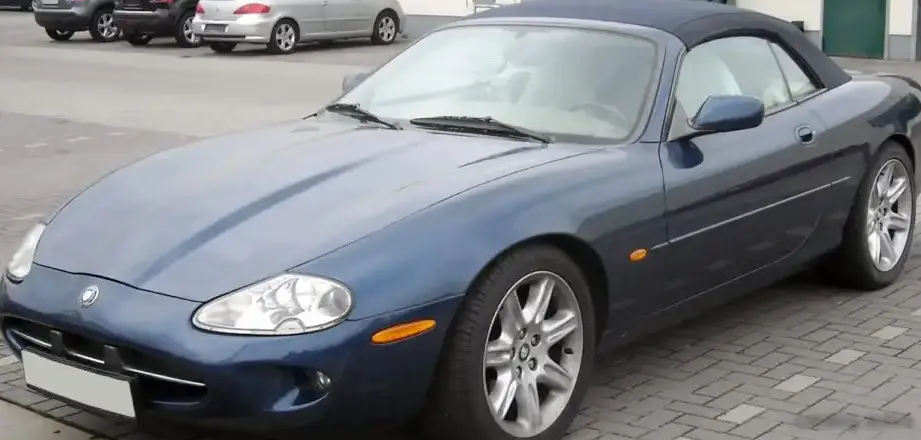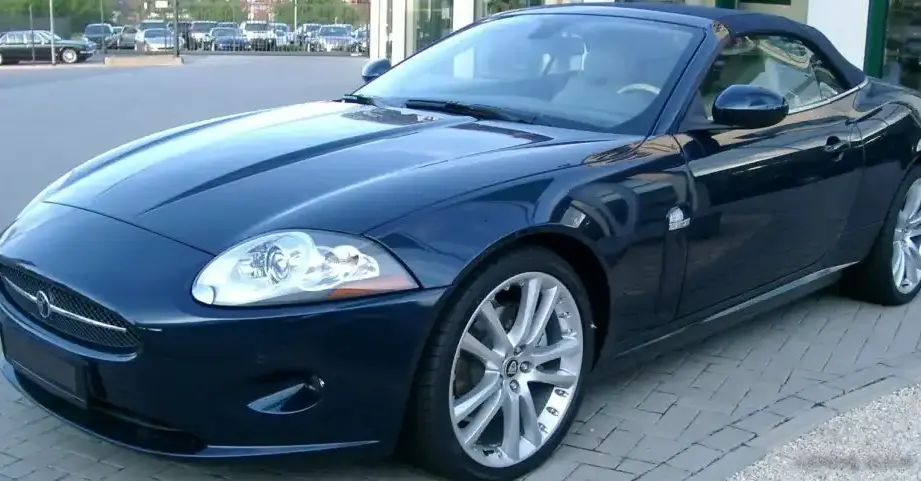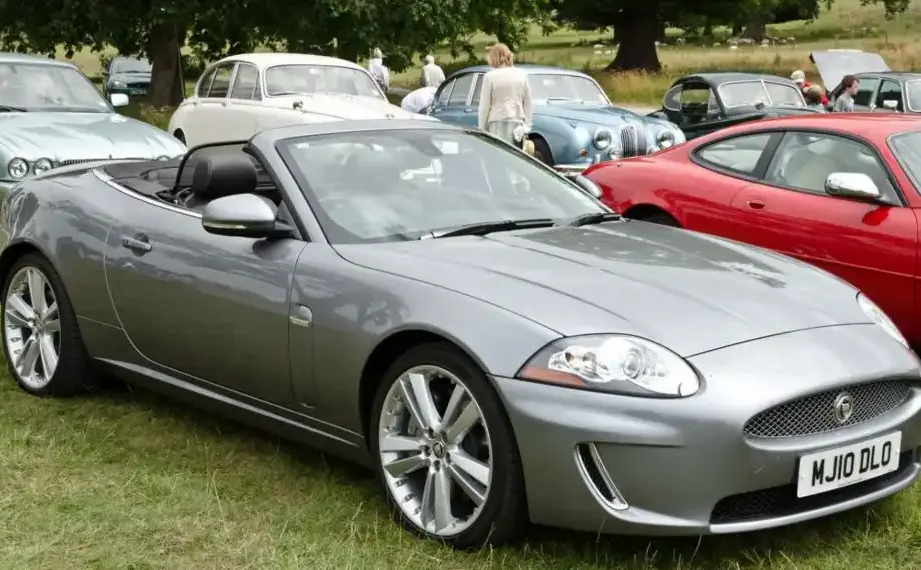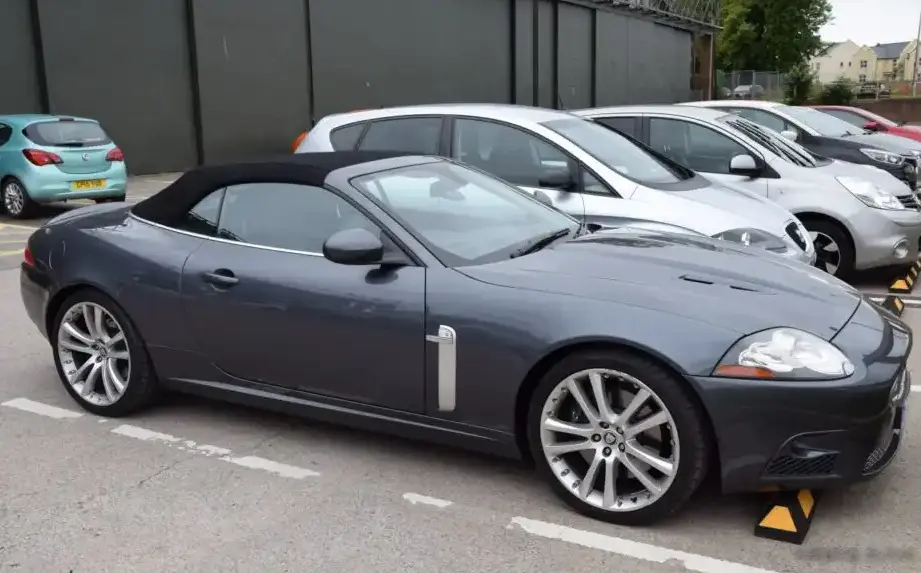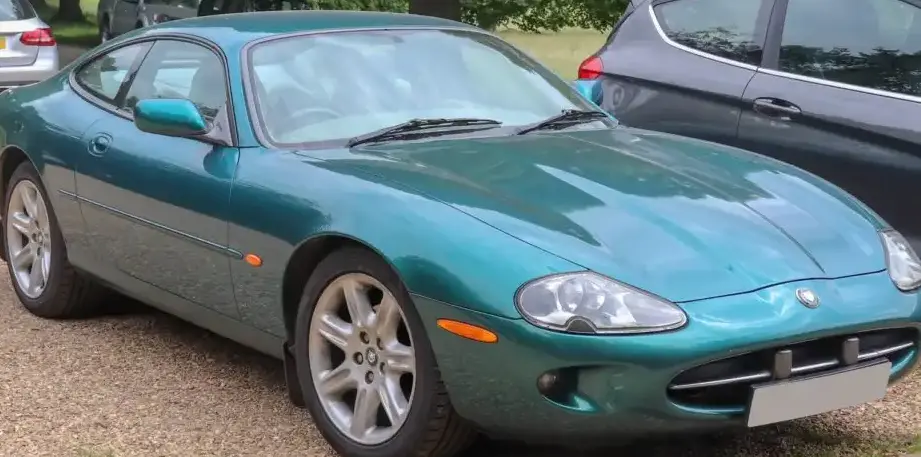
Technical Specifications
| Brand | Jaguar |
| Model | XK |
| Generation | XK Coupe (X100) |
| Type (Engine) | 4.2 V8 (298 Hp) Automatic |
| Start of production | 2002 |
| End of production | 2005 |
| Powertrain Architecture | Internal Combustion engine |
| Body type | Coupe |
| Seats | 4 |
| Doors | 2 |
| Fuel consumption (economy) – urban | 16.7 l/100 km (14.1 US mpg, 16.9 UK mpg, 6 km/l) |
| Fuel consumption (economy) – extra urban | 8.3 l/100 km (28.3 US mpg, 34 UK mpg, 12 km/l) |
| Fuel consumption (economy) – combined | 11.3 l/100 km (20.8 US mpg, 25 UK mpg, 8.8 km/l) |
| Fuel Type | Petrol (Gasoline) |
| Acceleration 0 – 100 km/h | 6.4 sec |
| Acceleration 0 – 62 mph | 6.4 sec |
| Acceleration 0 – 60 mph | 6.1 sec |
| Maximum speed | 250 km/h (155.34 mph) |
| Weight-to-power ratio | 5.7 kg/Hp, 176.9 Hp/tonne |
| Weight-to-torque ratio | 4.1 kg/Nm, 243.9 Nm/tonne |
| Power | 298 Hp @ 6800 rpm |
| Power per litre | 71 Hp/l |
| Torque | 411 Nm @ 4100 rpm (303.14 lb.-ft. @ 4100 rpm) |
| Engine layout | Front, Longitudinal |
| Engine Model/Code | AJ33 |
| Engine displacement | 4196 cm3 (256.06 cu. in.) |
| Number of cylinders | 8 |
| Engine configuration | V-engine |
| Cylinder Bore | 86 mm (3.39 in.) |
| Piston Stroke | 90.3 mm (3.56 in.) |
| Compression ratio | 11:1 |
| Number of valves per cylinder | 4 |
| Fuel injection system | Multi-port manifold injection |
| Engine aspiration | Naturally aspirated engine |
| Valvetrain | DOHC |
| Engine oil capacity | 7 l (7.4 US qt | 6.16 UK qt) |
| Coolant | 9.5 l (10.04 US qt | 8.36 UK qt) |
| Kerb Weight | 1685 kg (3714.79 lbs.) |
| Max. weight | 2065 kg (4552.55 lbs.) |
| Max load | 380 kg (837.76 lbs.) |
| Trunk (boot) space – minimum | 327 l (11.55 cu. ft.) |
| Fuel tank capacity | 75 l (19.81 US gal | 16.5 UK gal) |
| Length | 4760 mm (187.4 in.) |
| Width | 1829 mm (72.01 in.) |
| Height | 1296 mm (51.02 in.) |
| Wheelbase | 2588 mm (101.89 in.) |
| Front track | 1504 mm (59.21 in.) |
| Rear (Back) track | 1498 mm (58.98 in.) |
| Drivetrain Architecture | Rear wheel drive |
| Drive wheel | Rear wheel drive |
| Number of gears and type of gearbox | 6 gears, automatic transmission |
| Front suspension | Double wishbone |
| Rear suspension | Double wishbone |
| Front brakes | Ventilated discs |
| Rear brakes | Ventilated discs |
| Assisting systems | ABS (Anti-lock braking system) |
| Steering type | Steering rack and pinion |
| Tires size | 245/50 R17 |
The Jaguar XK Coupe (X100) 4.2 V8 Automatic, launched in 2002, was a pivotal model for Jaguar. It represented a move towards more contemporary design and engineering while retaining the brand’s core values of luxury and performance. Replacing the XJS, the X100 series, and specifically this 4.2-liter variant, aimed to recapture the spirit of the classic E-Type, offering a sophisticated and engaging driving experience. The aluminum chassis, a first for Jaguar in a production vehicle, significantly reduced weight, contributing to improved handling and fuel efficiency. This model year saw the introduction of the 4.2-liter engine, a substantial upgrade from the previous 4.0-liter unit, offering increased power and torque.
Powertrain & Engine Architecture
At the heart of the XK 4.2 resided the AJ33 engine, a naturally aspirated 4.2-liter V8. This engine was a significant evolution of the earlier 4.0-liter Jaguar V8, featuring revised cylinder heads, a higher compression ratio (11:1), and improved intake and exhaust systems. The engine utilized multi-port fuel injection and a double overhead camshaft (DOHC) valvetrain with four valves per cylinder. The engine produced 298 horsepower at 6800 rpm and 411 Nm (303 lb-ft) of torque at 4100 rpm. Paired with the engine was a six-speed automatic transmission, offering smooth and refined gear changes. This transmission was specifically tuned to complement the V8’s power delivery, providing a balance between comfort and responsiveness. The transmission didn’t offer manual shift control, focusing on a seamless automatic experience.
Driving Characteristics
The 4.2 V8 Automatic XK Coupe delivered a distinctly grand touring experience. Acceleration was brisk, with a 0-60 mph time of around 6.1 seconds and a top speed of 155 mph. While not as overtly sporty as some competitors, the XK 4.2 offered a refined and comfortable ride, thanks to its double wishbone suspension. The automatic transmission, while smooth, could feel slightly hesitant during quick downshifts compared to the available manual transmission. The gear ratios were optimized for cruising, providing relaxed highway performance. The aluminum chassis contributed to a noticeable improvement in handling agility compared to the previous XJS, offering a more engaging driving experience without sacrificing comfort.
Equipment & Trim Levels
The XK 4.2 Automatic came standard with a generous level of equipment, befitting its luxury positioning. Standard features included leather upholstery, power-adjustable seats, automatic climate control, a premium sound system, and alloy wheels. Optional extras included heated seats, navigation system, upgraded leather trim, and a sunroof. The interior design was classic Jaguar, with a focus on wood and leather trim, creating a warm and inviting atmosphere. The dashboard layout was relatively straightforward, with easy-to-use controls.
Chassis & Braking
The X100 chassis was a revolutionary design for Jaguar, utilizing a combination of aluminum and steel construction. The aluminum space frame significantly reduced weight, improving handling and fuel efficiency. The suspension consisted of independent double wishbones at both the front and rear, providing a comfortable and controlled ride. Braking was handled by ventilated discs on all four wheels, equipped with an Anti-lock Braking System (ABS). The braking system provided ample stopping power, although some critics noted a slightly soft pedal feel.
Market Reception & Comparison
The Jaguar XK 4.2 V8 Automatic was generally well-received by automotive critics. It was praised for its stylish design, luxurious interior, and refined driving experience. However, some critics noted that the automatic transmission wasn’t as responsive as the manual option, and the fuel economy wasn’t particularly impressive. Compared to its siblings, the 4.2 V8 offered a significant performance advantage over the base 4.0-liter models. It also provided a more luxurious and refined experience than the supercharged XKR variant, which prioritized outright performance. The 4.2 was positioned as the sweet spot in the range, offering a balance of performance, luxury, and value.
Legacy
The Jaguar XK 4.2 V8 Automatic has proven to be a relatively reliable vehicle, although maintenance can be expensive due to the complexity of the engine and the use of premium components. The AJ33 engine is generally considered robust, but regular maintenance, including oil changes and timing chain inspections, is crucial. The aluminum chassis is resistant to corrosion, but the bodywork can be susceptible to rust in areas prone to stone chips. Today, the X100 4.2 V8 Automatic is a popular choice among enthusiasts seeking a stylish and capable grand tourer. Its combination of classic Jaguar charm and modern engineering makes it a compelling alternative to more mainstream luxury coupes. Well-maintained examples continue to command respectable prices in the used car market.