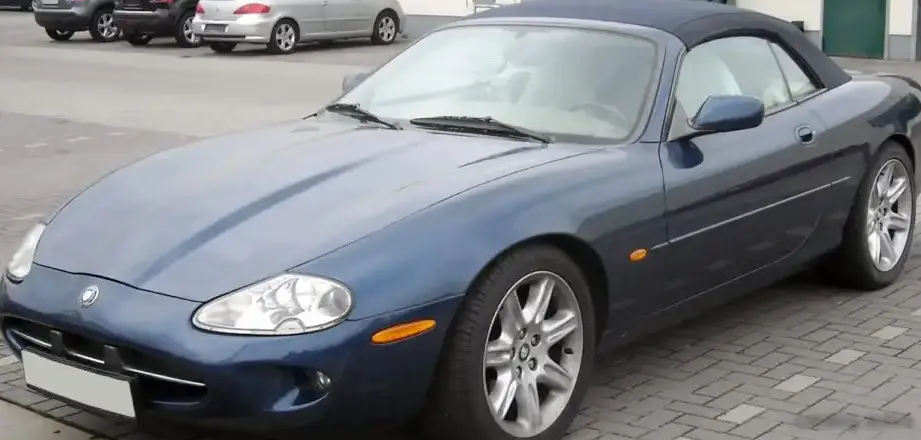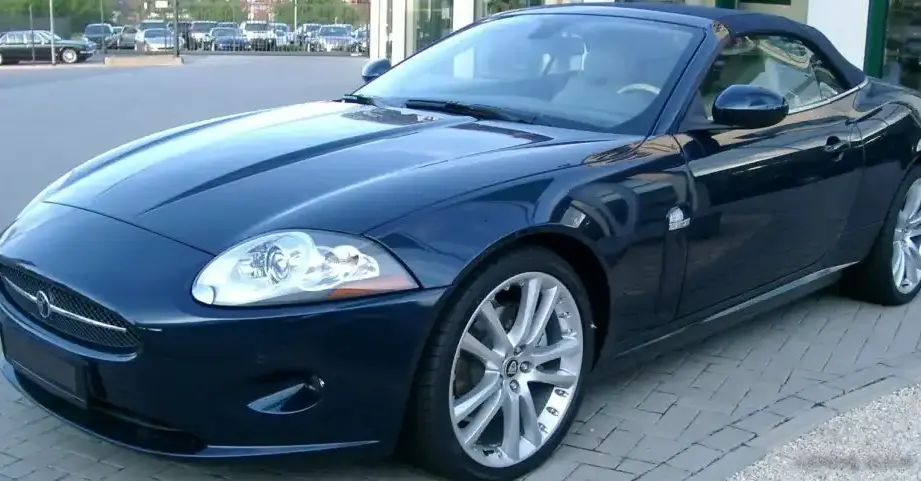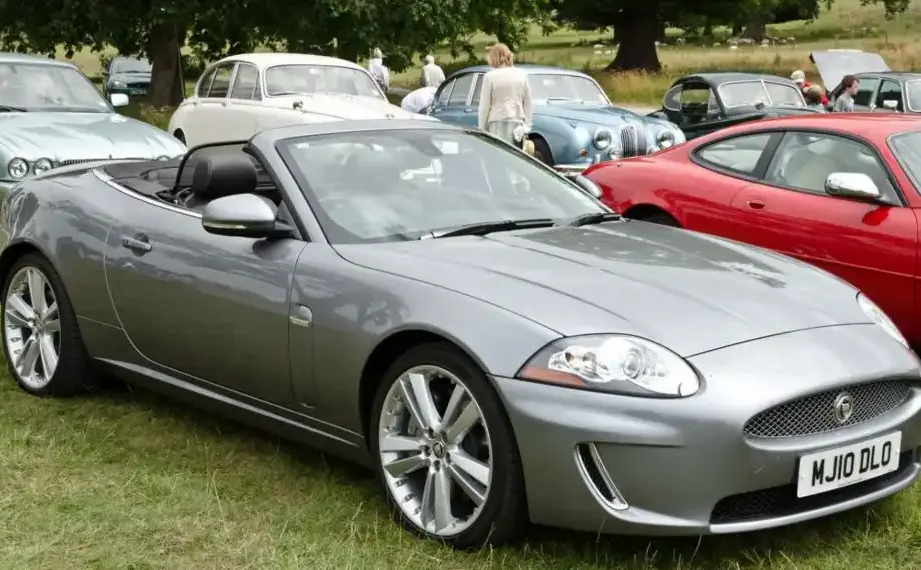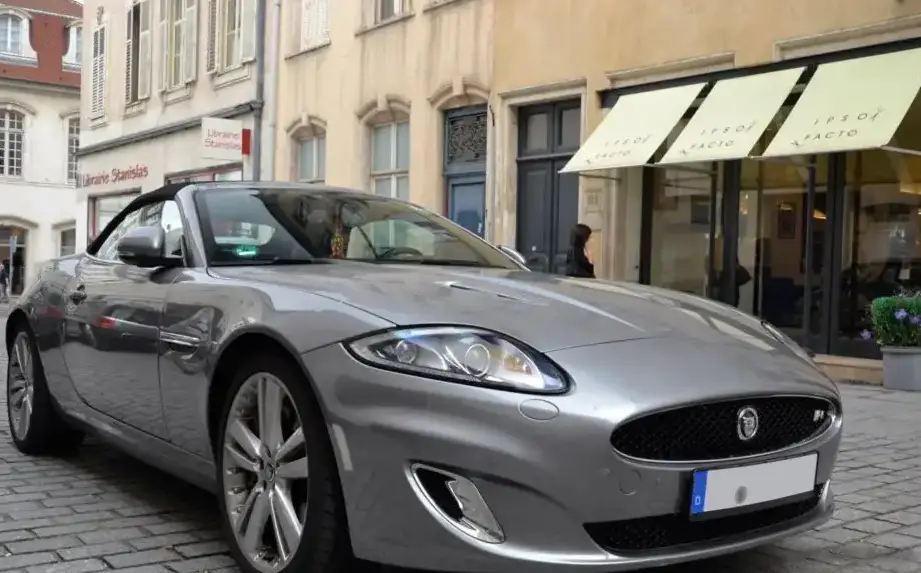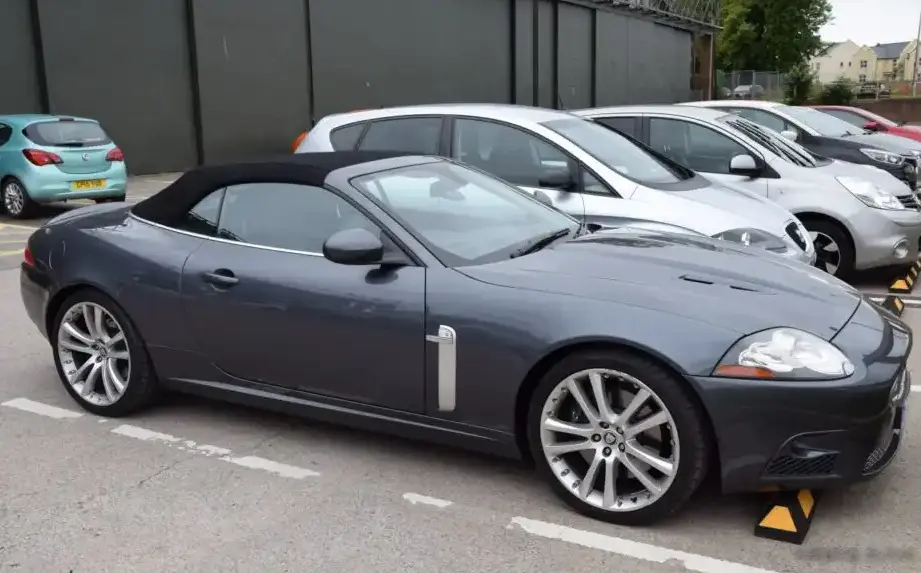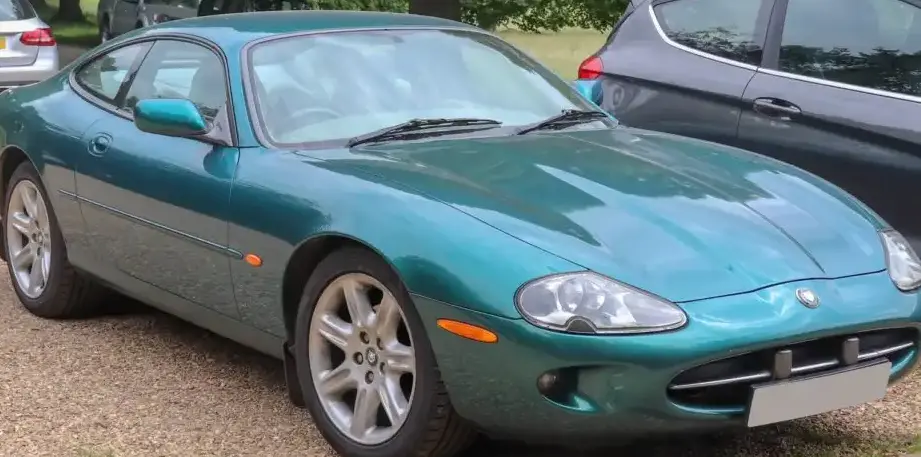
The Jaguar XK Coupe (X100) R 4.0 V8 Automatic, produced between 1998 and 2002, represented the performance pinnacle of the first-generation XK (X100) platform. Positioned as the flagship variant, the ‘R’ model offered a substantial increase in power and refinement over the standard XK8, targeting buyers seeking a true grand tourer experience. The X100 series was Jaguar’s replacement for the aging XJS, aiming to recapture the sporting spirit of the original E-Type while incorporating modern technology and luxury. This particular variant, with its supercharged 4.0-liter V8 and five-speed automatic transmission, was a key component in re-establishing Jaguar’s reputation for performance and engineering excellence in the North American market and beyond.
Technical Specifications
| Brand | Jaguar |
| Model | XK |
| Generation | XK Coupe (X100) |
| Type (Engine) | R 4.0 V8 (363 Hp) Automatic |
| Start of production | 1998 |
| End of production | 2002 |
| Powertrain Architecture | Internal Combustion engine |
| Body type | Coupe |
| Seats | 4 |
| Doors | 2 |
| Fuel consumption (urban) | 18 l/100 km (13.1 US mpg, 15.7 UK mpg, 5.6 km/l) |
| Fuel consumption (extra urban) | 9.6 l/100 km (24.5 US mpg, 29.4 UK mpg, 10.4 km/l) |
| Fuel consumption (combined) | 12.6 l/100 km (18.7 US mpg, 22.4 UK mpg, 7.9 km/l) |
| Fuel Type | Petrol (Gasoline) |
| Acceleration 0 – 100 km/h | 5.4 sec |
| Acceleration 0 – 62 mph | 5.4 sec |
| Acceleration 0 – 60 mph | 5.1 sec |
| Maximum speed | 250 km/h (155.34 mph) |
| Weight-to-power ratio | 4.7 kg/Hp, 211.7 Hp/tonne |
| Weight-to-torque ratio | 3.4 kg/Nm, 294.5 Nm/tonne |
| Power | 363 Hp @ 6150 rpm |
| Power per litre | 90.8 Hp/l |
| Torque | 505 Nm @ 3600 rpm (372.47 lb.-ft. @ 3600 rpm) |
| Engine layout | Front, Longitudinal |
| Engine Model/Code | AJ26S, AJ27S |
| Engine displacement | 3996 cm3 (243.85 cu. in.) |
| Number of cylinders | 8 |
| Engine configuration | V-engine |
| Cylinder Bore | 86 mm (3.39 in.) |
| Piston Stroke | 86 mm (3.39 in.) |
| Compression ratio | 8.9:1 |
| Number of valves per cylinder | 4 |
| Fuel injection system | Multi-port manifold injection |
| Engine aspiration | Supercharger |
| Valvetrain | DOHC |
| Engine oil capacity | 6.5 l (6.87 US qt | 5.72 UK qt) |
| Coolant | 11.5 l (12.15 US qt | 10.12 UK qt) |
| Kerb Weight | 1715 kg (3780.93 lbs.) |
| Max. weight | 2010 kg (4431.29 lbs.) |
| Max load | 295 kg (650.36 lbs.) |
| Trunk (boot) space – minimum | 327 l (11.55 cu. ft.) |
| Fuel tank capacity | 75 l (19.81 US gal | 16.5 UK gal) |
| Length | 4760 mm (187.4 in.) |
| Width | 1829 mm (72.01 in.) |
| Height | 1296 mm (51.02 in.) |
| Wheelbase | 2588 mm (101.89 in.) |
| Front track | 1504 mm (59.21 in.) |
| Rear (Back) track | 1498 mm (58.98 in.) |
| Drivetrain Architecture | Rear wheel drive |
| Number of gears and type of gearbox | 5 gears, automatic transmission |
| Front suspension | Double wishbone |
| Rear suspension | Double wishbone |
| Front brakes | Ventilated discs |
| Rear brakes | Ventilated discs |
| Assisting systems | ABS (Anti-lock braking system) |
| Steering type | Steering rack and pinion |
| Power steering | Hydraulic Steering |
| Tires size | 245/45 R18; 255/45 R18 |
Powertrain & Engine Architecture
The heart of the XK R was Jaguar’s AJ26S/AJ27S 4.0-liter supercharged V8 engine. This engine, a descendant of the Ford Modular V8 family but heavily modified by Jaguar’s engineers, featured a Roots-type supercharger providing forced induction. The engine utilized multi-port fuel injection and a double overhead camshaft (DOHC) valvetrain with four valves per cylinder. The supercharger, mounted centrally in the ‘V’ of the engine, delivered boost at relatively low engine speeds, contributing to the engine’s strong low-end torque. The five-speed automatic transmission, a ZF 5HP24 unit, was chosen for its smoothness and durability. While not as sporty as a manual transmission, it was well-suited to the grand touring nature of the XK R, providing seamless gear changes and enhancing the overall driving experience. The transmission featured adaptive shift logic, adjusting shift points based on driving style.
Driving Characteristics
The XK R 4.0 V8 Automatic delivered a markedly different driving experience compared to the naturally aspirated XK8. The supercharger provided a significant boost in power and torque, resulting in a 0-60 mph time of around 5.1 seconds and a top speed limited to 155 mph. The automatic transmission, while smooth, did slightly diminish the sense of driver involvement compared to the available manual transmission. However, the well-chosen gear ratios ensured that the engine remained in its powerband during typical driving situations. The suspension, tuned for comfort and stability, provided a refined ride quality, absorbing bumps and imperfections in the road with ease. The rear-wheel drive configuration contributed to a balanced chassis, although the added power required careful throttle control, especially in wet conditions.
Equipment & Trim Levels
The XK R came standard with a generous array of features, reflecting its position as the top-of-the-line model. Standard equipment included leather upholstery, power-adjustable seats with memory function, automatic climate control, a premium sound system, and alloy wheels. Optional extras included a navigation system, heated seats, and a sunroof. The interior trim was typically finished in wood veneer or carbon fiber, adding to the luxurious ambiance. Exterior styling cues that distinguished the R model from the XK8 included a unique front bumper with integrated fog lights, a rear spoiler, and larger diameter wheels.
Chassis & Braking
The XK R utilized a robust chassis based on the X100 platform, featuring a double wishbone suspension at both the front and rear. The suspension geometry was optimized for handling and ride comfort. Braking duties were handled by ventilated disc brakes on all four wheels, equipped with an Anti-lock Braking System (ABS) for enhanced safety. The braking system provided ample stopping power, although the weight of the vehicle required a firm pedal input. The steering was a rack-and-pinion system with hydraulic power assistance, offering precise and responsive steering feel.
Market Reception & Comparison
The XK R was generally well-received by automotive critics, who praised its powerful engine, luxurious interior, and refined driving experience. Compared to the standard XK8, the R model offered a significant performance upgrade, making it a more compelling option for drivers seeking a true sports car experience. However, the XK R’s fuel economy was relatively poor, averaging around 18.7 US mpg in combined driving. Reliability was generally good, although the supercharger and its associated components required regular maintenance. Compared to rivals such as the BMW 6 Series and the Mercedes-Benz CL, the XK R offered a unique blend of British style and performance.
Legacy
The Jaguar XK R 4.0 V8 Automatic remains a desirable classic car today, appreciated for its performance, luxury, and distinctive styling. The AJ26S/AJ27S engine, while requiring regular maintenance, is generally considered to be a durable and reliable powerplant. The X100 platform, as a whole, helped to revitalize the Jaguar brand and paved the way for future generations of XK models. In the used car market, well-maintained examples of the XK R command a premium price, reflecting their rarity and appeal to collectors and enthusiasts. The combination of a supercharged V8, a comfortable interior, and a timeless design ensures that the XK R continues to be a rewarding and enjoyable car to drive.