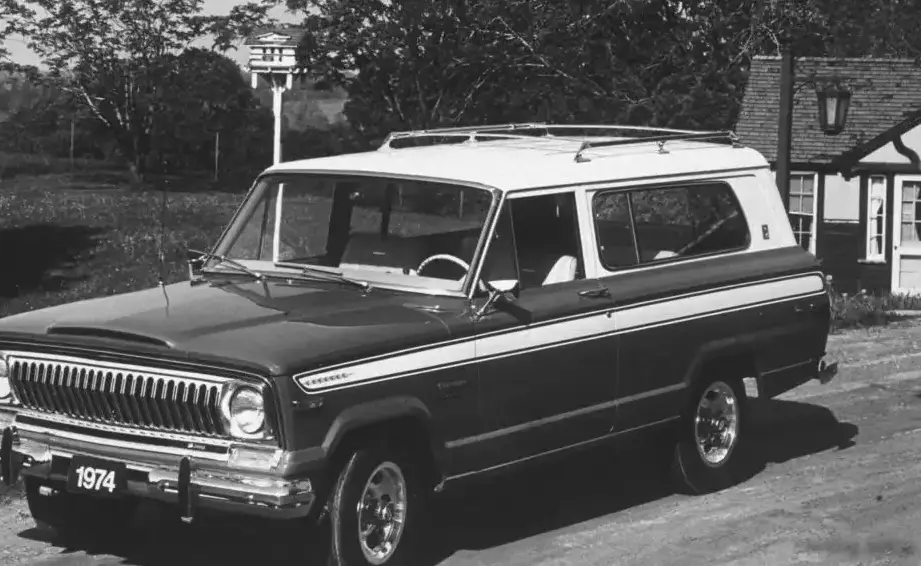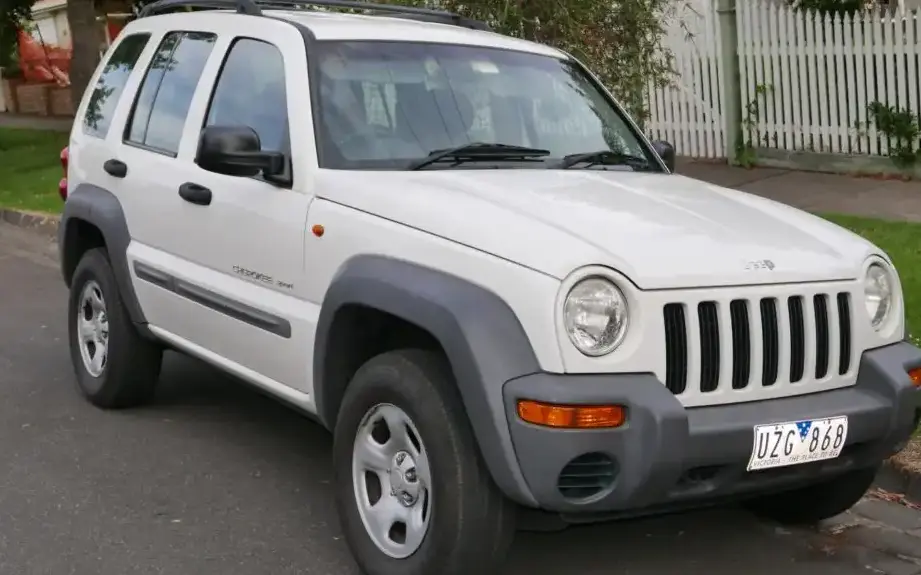
The Jeep Cherokee III (KJ) 2.8 CRDi Automatic, produced between 2004 and 2008, represented a significant step for the Cherokee model line, offering a diesel engine option paired with an automatic transmission for the first time in many markets. Positioned as a mid-range offering within the KJ Cherokee lineup, it aimed to provide a balance of fuel efficiency, torque for towing, and the convenience of an automatic gearbox. The KJ Cherokee itself was a departure from the unibody XJ Cherokee, utilizing a traditional body-on-frame construction, and was intended to appeal to buyers seeking a more rugged and capable SUV. This variant was primarily sold in Europe and other international markets where diesel engines were more popular, and it played a role in expanding the Cherokee’s appeal beyond its traditional North American customer base.
Technical Specifications
| Brand | Jeep |
| Model | Cherokee |
| Generation | Cherokee III (KJ) |
| Type (Engine) | 2.8 CRDi (163 Hp) Automatic |
| Start of production | 2004 |
| End of production | 2008 |
| Powertrain Architecture | Internal Combustion engine |
| Body type | SUV |
| Seats | 5 |
| Doors | 5 |
| Fuel consumption (urban) | 12.7 l/100 km (18.5 US mpg, 22.2 UK mpg, 7.9 km/l) |
| Fuel consumption (extra urban) | 8.2 l/100 km (28.7 US mpg, 34.4 UK mpg, 12.2 km/l) |
| Fuel Type | Diesel |
| Acceleration 0 – 100 km/h | 12.2 sec |
| Acceleration 0 – 62 mph | 12.2 sec |
| Acceleration 0 – 60 mph | 11.6 sec |
| Maximum speed | 174 km/h (108.12 mph) |
| Weight-to-power ratio | 12 kg/Hp, 83.2 Hp/tonne |
| Weight-to-torque ratio | 4.9 kg/Nm, 204.1 Nm/tonne |
| Power | 163 Hp @ 4000 rpm |
| Power per litre | 58.7 Hp/l |
| Torque | 400 Nm @ 1800 rpm (295.02 lb.-ft. @ 1800 rpm) |
| Engine layout | Front, Longitudinal |
| Engine displacement | 2778 cm3 (169.52 cu. in.) |
| Number of cylinders | 4 |
| Engine configuration | Inline |
| Cylinder Bore | 94 mm (3.7 in.) |
| Piston Stroke | 100 mm (3.94 in.) |
| Compression ratio | 17.5:1 |
| Number of valves per cylinder | 4 |
| Fuel injection system | Diesel Commonrail |
| Engine aspiration | Turbocharger, Intercooler |
| Valvetrain | DOHC |
| Engine oil capacity | 6.1 l (6.45 US qt | 5.37 UK qt) |
| Coolant capacity | 12.5 l (13.21 US qt | 11 UK qt) |
| Kerb Weight | 1960 kg (4321.06 lbs.) |
| Max. weight | 2520 kg (5555.65 lbs.) |
| Max load | 560 kg (1234.59 lbs.) |
| Trunk (boot) space – minimum | 820 l (28.96 cu. ft.) |
| Trunk (boot) space – maximum | 1950 l (68.86 cu. ft.) |
| Fuel tank capacity | 76 l (20.08 US gal | 16.72 UK gal) |
| Length | 4430 mm (174.41 in.) |
| Width | 1820 mm (71.65 in.) |
| Height | 1865 mm (73.43 in.) |
| Wheelbase | 2650 mm (104.33 in.) |
| Front track | 1525 mm (60.04 in.) |
| Rear (Back) track | 1525 mm (60.04 in.) |
| Drive wheel | All wheel drive (4×4) |
| Number of gears | 5 |
| Gearbox type | Automatic transmission |
| Front suspension | Double wishbone |
| Rear suspension | Transverse stabilizer |
| Front brakes | Ventilated discs |
| Rear brakes | Disc |
| Assisting systems | ABS (Anti-lock braking system) |
| Steering type | Steering rack and pinion |
| Power steering | Hydraulic Steering |
| Tires size | 235/70 R16 |
| Wheel rims size | 16 |
Powertrain & Engine Architecture
The heart of this Cherokee variant is the 2.8-liter inline-four cylinder diesel engine. This engine, often identified by engine codes such as RENEX, was a common rail direct injection (CRDi) unit. The common rail system, supplied by Bosch, allowed for precise control of fuel delivery, resulting in improved combustion efficiency and reduced emissions. The engine featured a turbocharger with an intercooler, boosting power output and providing a broader torque curve. The DOHC (Double Overhead Camshaft) valvetrain, with four valves per cylinder, further enhanced breathing and performance. Paired with this engine was a five-speed automatic transmission, providing smooth gear changes and ease of driving. This transmission was designed to handle the engine’s substantial torque output, and was a key selling point for buyers who preferred the convenience of an automatic over a manual gearbox.
Driving Characteristics
The 2.8 CRDi Automatic Cherokee offered a distinctly different driving experience compared to its gasoline-powered siblings or even the manual diesel versions. The automatic transmission, while convenient, did slightly diminish the overall responsiveness. Acceleration from 0-60 mph took around 11.6 to 12.2 seconds, which was adequate but not particularly sporty. However, the engine’s 400 Nm (295 lb-ft) of torque, available from a low 1800 rpm, provided ample pulling power for towing and navigating challenging terrain. The automatic transmission’s gear ratios were tuned for fuel efficiency and smooth cruising, rather than outright performance. Compared to the 4.0L inline-six gasoline engine, the diesel offered significantly better fuel economy, but lacked the six-cylinder’s refined power delivery. Against the 2.5L Turbo Diesel with a manual transmission, the automatic traded some responsiveness for ease of use.
Equipment & Trim Levels
The 2.8 CRDi Automatic trim typically included features such as air conditioning, power windows and locks, and an upgraded audio system. Interior upholstery was usually cloth, with optional leather available. Depending on the market and optional packages, features like a sunroof, heated seats, and a premium sound system could also be added. The dashboard layout was typical of the KJ Cherokee, with a functional and straightforward design. Exterior features generally included alloy wheels, fog lights, and roof rails. The specific trim level (e.g., Limited, Sport) dictated the level of standard equipment.
Chassis & Braking
The KJ Cherokee utilized a traditional body-on-frame construction, providing a robust and durable platform. The front suspension featured a double wishbone design, while the rear employed a solid axle with coil springs and a transverse stabilizer bar. This setup provided a good balance of ride comfort and off-road capability. Braking duties were handled by ventilated discs at the front and solid discs at the rear, equipped with an Anti-lock Braking System (ABS). The braking system was adequate for the vehicle’s weight and performance, but not particularly high-performing. The all-wheel-drive system, typically a part-time 4×4 system with selectable modes, enhanced traction in various conditions.
Market Reception & Comparison
The 2.8 CRDi Automatic Cherokee was generally well-received in markets where diesel engines were popular. Critics praised its fuel efficiency, torque, and the convenience of the automatic transmission. However, some noted the slightly sluggish acceleration compared to gasoline-powered models. Fuel economy was a significant advantage, typically achieving around 28.7 US mpg on the highway. Reliability was generally good, although common rail diesel systems can be susceptible to issues with fuel quality and injector wear. Compared to the 4.0L gasoline engine, the diesel automatic offered better fuel economy but less overall performance. Against the manual diesel versions, the automatic provided greater convenience but slightly reduced responsiveness.
Legacy
The 2.8 CRDi Automatic Cherokee KJ has become a relatively sought-after used vehicle, particularly in Europe and other regions where diesel SUVs are common. The engine, while not without its potential maintenance needs (such as injector cleaning and turbocharger servicing), has proven to be reasonably durable. The automatic transmission, if properly maintained, is generally reliable. Today, these Cherokees are often found being used as daily drivers, family vehicles, or light-duty tow vehicles. Their combination of practicality, capability, and fuel efficiency continues to appeal to a wide range of buyers in the used car market. Parts availability is generally good, although some specific diesel components may be more difficult to source than those for gasoline models.