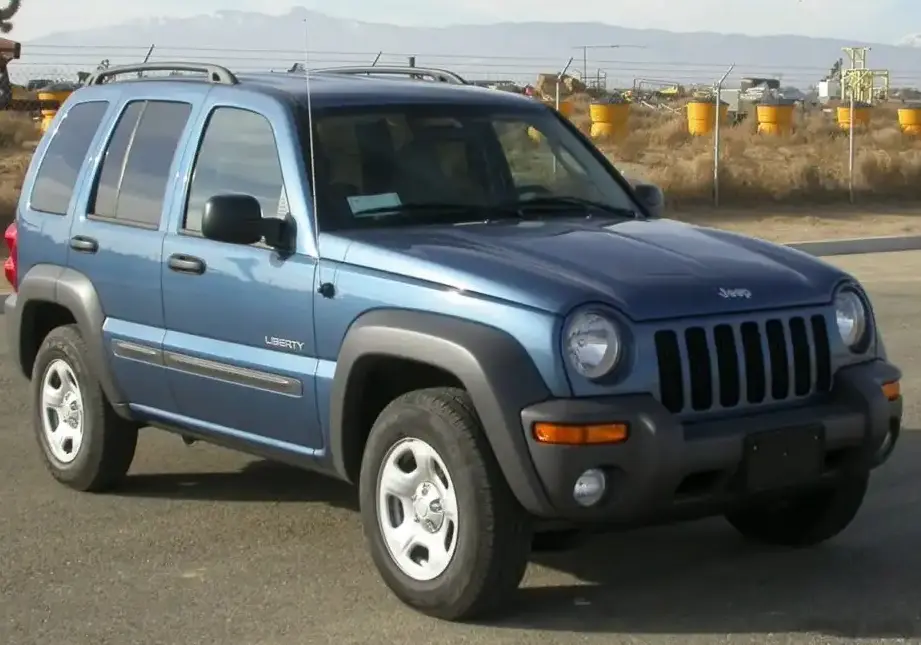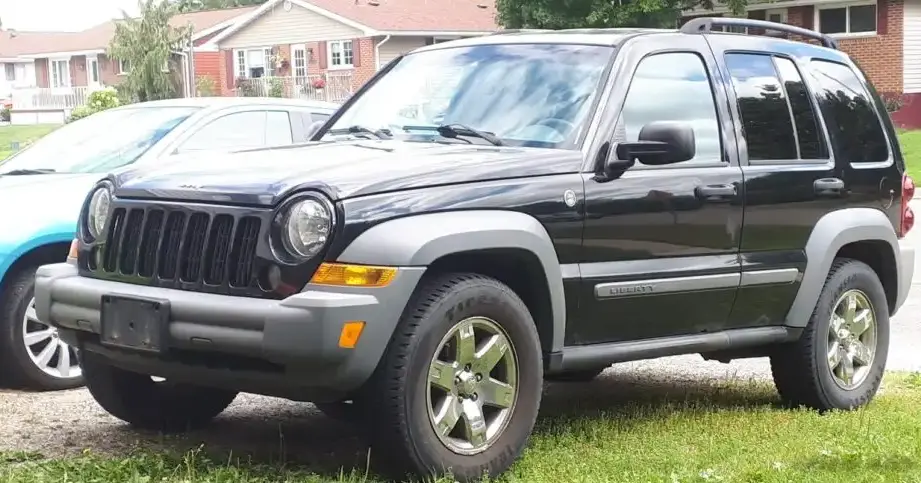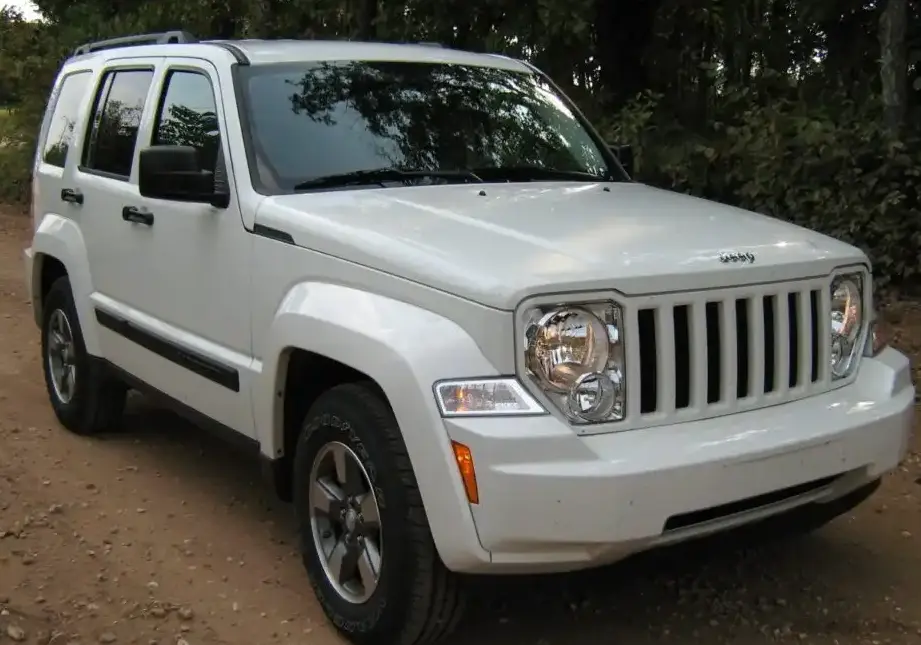
The Jeep Liberty II, specifically the 3.7 i V6 12V (210 Hp) Automatic variant, was produced from 2007 to 2013. This model represented the second generation of the Liberty (known as the Cherokee outside of North America), and aimed to offer a more refined and capable mid-size SUV experience. Positioned as a mainstream offering within the Liberty lineup, the 3.7L V6 with an automatic transmission served as a popular choice for buyers prioritizing ease of use and affordability over outright performance. It sat between the base 3.7L manual transmission models and potential, though less common, options like aftermarket upgrades or specialized packages.
Technical Specifications
| Brand | Jeep |
| Model | Liberty |
| Generation | Liberty II |
| Type (Engine) | 3.7 i V6 12V (210 Hp) Automatic |
| Start of production | 2007 |
| End of production | 2013 |
| Powertrain Architecture | Internal Combustion engine |
| Body type | SUV |
| Seats | 5 |
| Doors | 5 |
| Fuel consumption (urban) | 14.7 l/100 km (16 US mpg, 19.2 UK mpg, 6.8 km/l) |
| Fuel consumption (extra urban) | 10.7 l/100 km (22 US mpg, 26.4 UK mpg, 9.3 km/l) |
| Fuel consumption (combined) | 13.1 l/100 km (18 US mpg, 21.6 UK mpg, 7.6 km/l) |
| Fuel Type | Petrol (Gasoline) |
| Weight-to-power ratio | 8.6 kg/Hp, 116.2 Hp/tonne |
| Weight-to-torque ratio | 5.7 kg/Nm, 175.9 Nm/tonne |
| Power | 210 Hp @ 5200 rpm |
| Power per litre | 56.7 Hp/l |
| Torque | 318 Nm @ 4000 rpm (234.54 lb.-ft. @ 4000 rpm) |
| Engine layout | Front, Longitudinal |
| Engine Model/Code | EKG |
| Engine displacement | 3701 cm3 (225.85 cu. in.) |
| Number of cylinders | 6 |
| Engine configuration | V-engine |
| Cylinder Bore | 93 mm (3.66 in.) |
| Piston Stroke | 90.8 mm (3.57 in.) |
| Compression ratio | 9.1:1 |
| Number of valves per cylinder | 2 |
| Fuel injection system | Multi-port manifold injection |
| Engine aspiration | Naturally aspirated engine |
| Engine oil capacity | 4.7 l (4.97 US qt | 4.14 UK qt) |
| Coolant capacity | 13.3 l (14.05 US qt | 11.7 UK qt) |
| Kerb Weight | 1808 kg (3985.96 lbs.) |
| Max. weight | 2574 kg (5674.7 lbs.) |
| Max load | 766 kg (1688.74 lbs.) |
| Trunk (boot) space – minimum | 892 l (31.5 cu. ft.) |
| Trunk (boot) space – maximum | 1818 l (64.2 cu. ft.) |
| Fuel tank capacity | 74 l (19.55 US gal | 16.28 UK gal) |
| Permitted trailer load with brakes (12%) | 2268 kg (5000.08 lbs.) |
| Length | 4493 mm (176.89 in.) |
| Width | 1839 mm (72.4 in.) |
| Height | 1781 mm (70.12 in.) |
| Wheelbase | 2695 mm (106.1 in.) |
| Front track | 1549 mm (60.98 in.) |
| Rear (Back) track | 1549 mm (60.98 in.) |
| Ride height (ground clearance) | 198 mm (7.8 in.) |
| Minimum turning circle (turning diameter) | 10.8 m (35.43 ft.) |
| Approach angle | 39.1° |
| Departure angle | 32.1° |
| Ramp-over (brakeover) angle | 20.4° |
| Drivetrain Architecture | The Internal combustion engine (ICE) drives the rear wheels of the vehicle. |
| Drive wheel | Rear wheel drive |
| Number of gears and type of gearbox | 4 gears, automatic transmission |
| Front suspension | Independent, type McPherson with coil spring and anti-roll bar |
| Rear suspension | Rigid axle suspension, Transverse stabilizer, Coil spring |
| Front brakes | Ventilated discs |
| Rear brakes | Disc |
| Assisting systems | ABS (Anti-lock braking system) |
| Steering type | Steering rack and pinion |
| Tires size | 225/75 R16 |
| Wheel rims size | 7J x 16 |
Powertrain & Engine Architecture
The heart of this Liberty variant is the 3.7-liter V6 engine, internally designated as the EKG. This engine is a naturally aspirated, 12-valve (two valves per cylinder) powerplant. It utilizes a multi-port fuel injection system, delivering fuel directly into the intake ports rather than directly into the combustion chamber. The engine’s design prioritized smooth operation and adequate power for everyday driving rather than high-performance figures. The 3.7L V6 produces 210 horsepower at 5200 rpm and 318 Nm (234.54 lb-ft) of torque at 4000 rpm. The engine is longitudinally mounted in the chassis, driving the rear wheels. The automatic transmission used in this configuration is a four-speed unit, chosen for its simplicity and ease of use. While not offering the most advanced gear ratios, it provided acceptable acceleration and cruising ability for the target demographic.
Driving Characteristics
The 3.7L V6 automatic combination in the Liberty II delivered a comfortable, if not particularly exhilarating, driving experience. Acceleration was adequate for merging onto highways and passing slower traffic, but it wasn’t a particularly quick vehicle. The four-speed automatic transmission, while reliable, lacked the responsiveness and efficiency of more modern transmissions with more gears. The gear ratios were tuned for fuel economy and smooth shifts, rather than aggressive performance. Compared to a manual transmission equipped Liberty, the automatic version felt noticeably slower. Compared to higher-output engine options (if available in certain markets), the 3.7L felt less powerful, especially when fully loaded with passengers and cargo. However, the automatic transmission made it a more accessible option for drivers who preferred the convenience of not having to shift gears.
Equipment & Trim Levels
The 3.7L automatic Liberty typically came standard with features like air conditioning, power windows and locks, a basic audio system, and cloth upholstery. Higher trim levels, often denoted by names like “Sport” or “Limited,” added features such as alloy wheels, upgraded audio systems, leather upholstery, and power-adjustable seats. Optional extras included a sunroof, navigation system, and a premium sound system. The interior design was functional and straightforward, prioritizing practicality over luxury. The dashboard layout was typical of the era, with clearly labeled controls and a relatively simple instrument cluster.
Chassis & Braking
The Liberty II utilized a body-on-frame construction, providing a robust and durable platform. The front suspension was an independent McPherson strut setup, while the rear suspension employed a rigid axle with coil springs. This configuration offered a good balance of ride comfort and off-road capability. The braking system consisted of ventilated discs at the front and solid discs at the rear. Anti-lock brakes (ABS) were standard, enhancing safety and control during emergency braking situations. The steering was rack-and-pinion, providing reasonably precise handling.
Market Reception & Comparison
The Jeep Liberty II 3.7L automatic was generally well-received as a practical and affordable mid-size SUV. Critics praised its comfortable ride and spacious interior, but noted its relatively lackluster performance and fuel economy. Compared to competitors like the Toyota RAV4 or Honda CR-V, the Liberty offered a more rugged aesthetic and a more traditional SUV feel. However, it lagged behind in terms of fuel efficiency and refinement. Within the Liberty lineup, the 3.7L automatic was positioned as the entry-level or mid-range option, appealing to buyers who prioritized value and ease of use over performance and features.
Legacy
The 3.7L V6 engine and four-speed automatic transmission combination in the Jeep Liberty II proved to be reasonably reliable, although not without its share of common issues. Some owners reported problems with the engine’s variable valve timing system and the automatic transmission’s torque converter. However, with proper maintenance, these powertrains could provide many years of service. Today, the Liberty II 3.7L automatic can be found on the used car market at relatively affordable prices. It remains a viable option for buyers seeking a capable and practical SUV, but potential buyers should be aware of the potential maintenance issues and factor them into their purchasing decision.